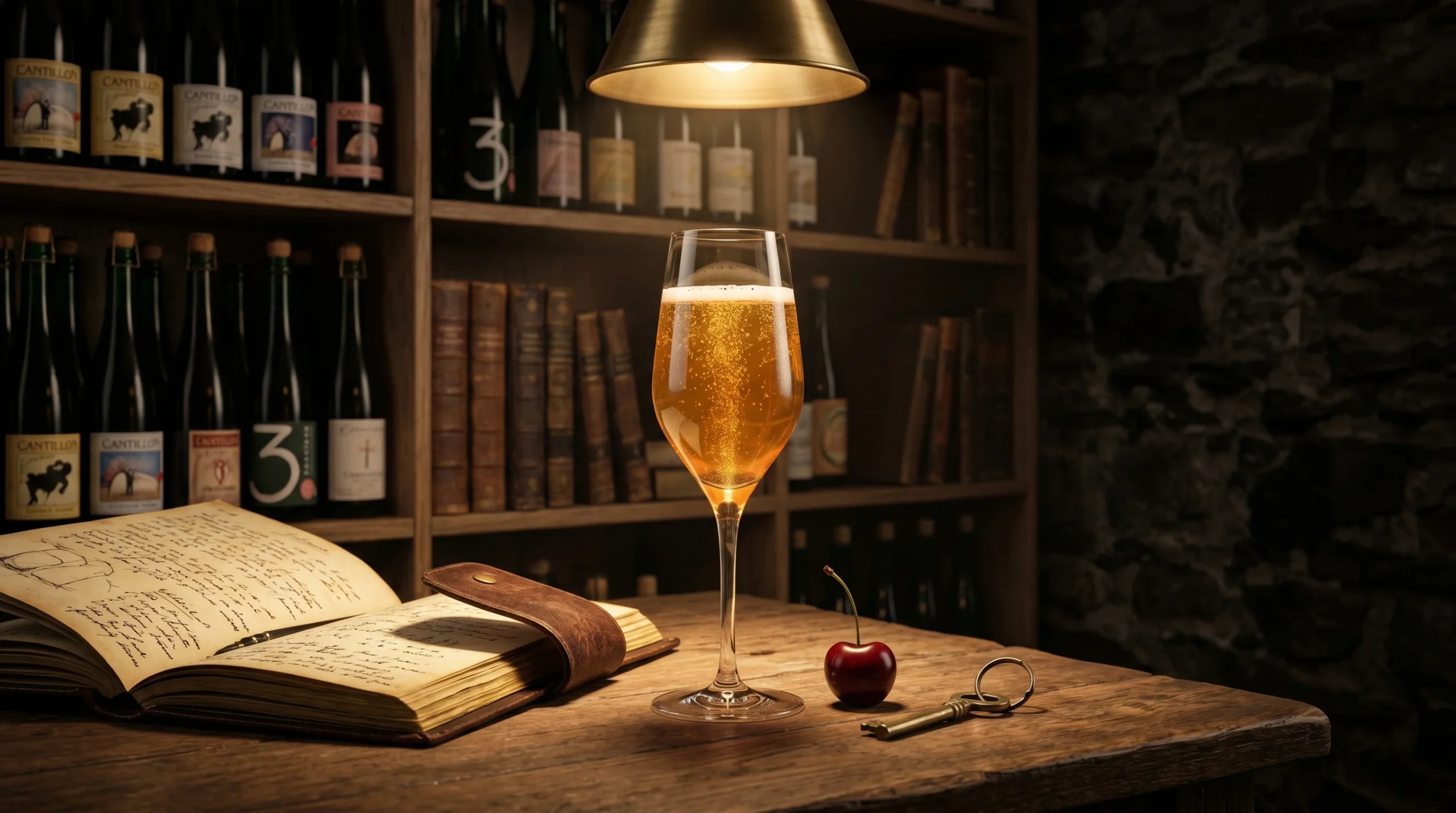
Of all the styles of beer, none is as controversial as sour beer.
First-time beer drinkers typically have two extreme reactions—either exclaiming, "It's incredibly delicious, how strange!", or frowning and thinking, "Is this beer spoiled?". Few beer styles create such a clear divide.
But behind that shocking sourness lies one of the worlds the oldest, the most complex, and the most captivating. of beer. Before humankind knew how to control yeast, all beer was more or less sour. Lambic—Belgian's most classic sour beer style—has been brewed in the same way for over 500 years. Each batch is a dialogue between the brewer and the naturally occurring microorganisms floating in the air.
This article is a journey from the wooden barrels of the Pajottenland Valley (Belgium) in the late 16th century, through the Trappist monasteries brewing Flanders Red for decades, to the colorful Sour IPA and Smoothie Sour cans of America in the 2020s. A journey through 14 styles spanning 500 years.
For those who have never tried sour beer and are curious. For those who already love Berliner Weisse and want to go further. And for those who still think "sour beer is bad beer" — here's a chance to change that opinion.
What is Sour Beer?
In Vietnamese, "bia chua" is a general term for beer styles with a distinctly sour taste — from mildly sour like lemon juice to intensely sour like vinegar.
Unlike regular beer (fermented solely with Saccharomyces yeast), sour beer is produced through a fermentation process that involves other yeasts. lactic acid bacteria (Lactobacillus, Pediococcus) and/or wild yeast (Brettanomyces). These microorganisms produce various acids—lactic acid (soft sourness), acetic acid (vinegar-like sourness), and many other complex compounds—that give food its characteristic sour character.
In the specialized world of beer, "sour beer" encompasses five main categories:
1. Lambic Family (Belgium) — Lambic, Gueuzé, Fruit Lambic, Faro. The most classic style, naturally fermented with microorganisms in the air, aged in wooden barrels for many years.
2. Flanders Sours (Belgium) — Flanders Red Ale, Flanders Oud Bruin. Sour beers aged for a long time in oak barrels, with added chocolate and dark fruit notes.
3. German Sours — Berliner Weisse, Gose. A quick-sour, light, and easy-to-drink beer.
4. Modern Wild Ales — Wild Ale, Brett Beer, Sour Ale. A modern style inspired by Belgian tradition but with more flexibility in technique.
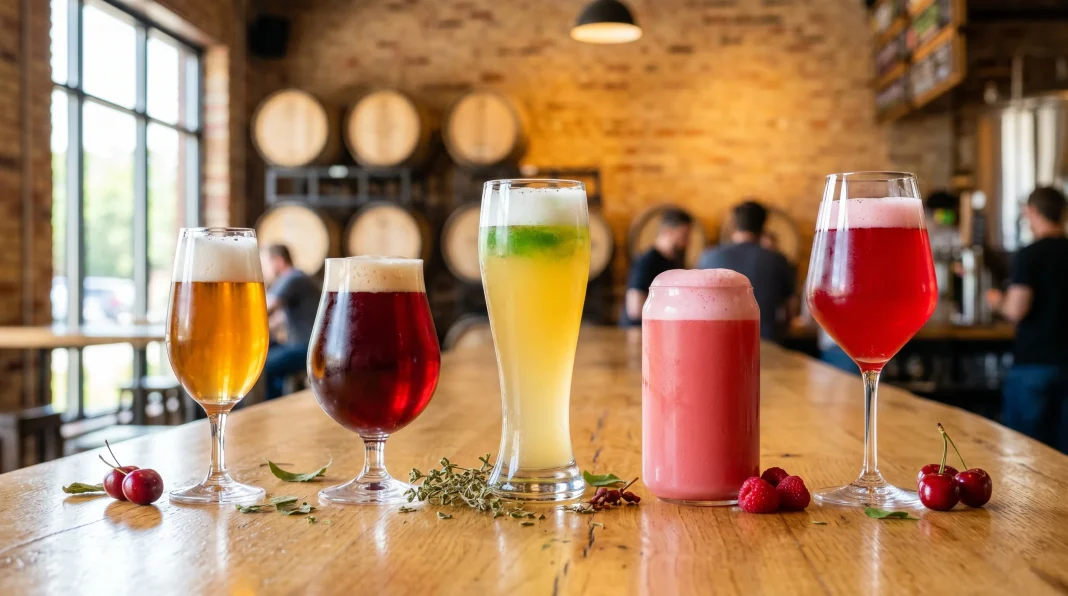
5. Modern Sour Variants — Fruited Sour Ale, Smoothie Sour Ale, Sour IPA. A youthful, creative style, combining sour beer with fruit, ice cream, or hops.
Each group represents a different philosophy regarding acidity. Lambic celebrates patience (years of aging). German Sours celebrate lightness (drinkable all day). Modern variants celebrate creativity (unlimited possibilities). The same principle—acidity—but many different ways of expressing it.
Why does beer taste sour?
Short answer: Because of lactic acid bacteria and wild yeast.
But behind it lies a microbiological story and a history spanning thousands of years.
Before Humankind Understood Yeast
For nearly 7,000 years of beer history, brewers didn't know what yeast was. They simply observed that if they left cooked barley water to air, after a few days it would ferment into beer on its own. Sometimes the beer was good, sometimes it was sour, sometimes it was spoiled — and nobody understood why.
It wasn't until 1857 that Louis Pasteur demonstrated the role of yeast in fermentation. From then on, brewers learned how to control the process—selecting pure yeast, controlling temperature, and eliminating "contaminating" bacteria.
But some brewers in Belgium have chosen the opposite path. They continue to brew beer the old way—allowing air to bring microorganisms into the wort, allowing all the yeasts and bacteria to ferment together. The result is Lambic—a sour beer style that has been brewed continuously for over 500 years using the same method.
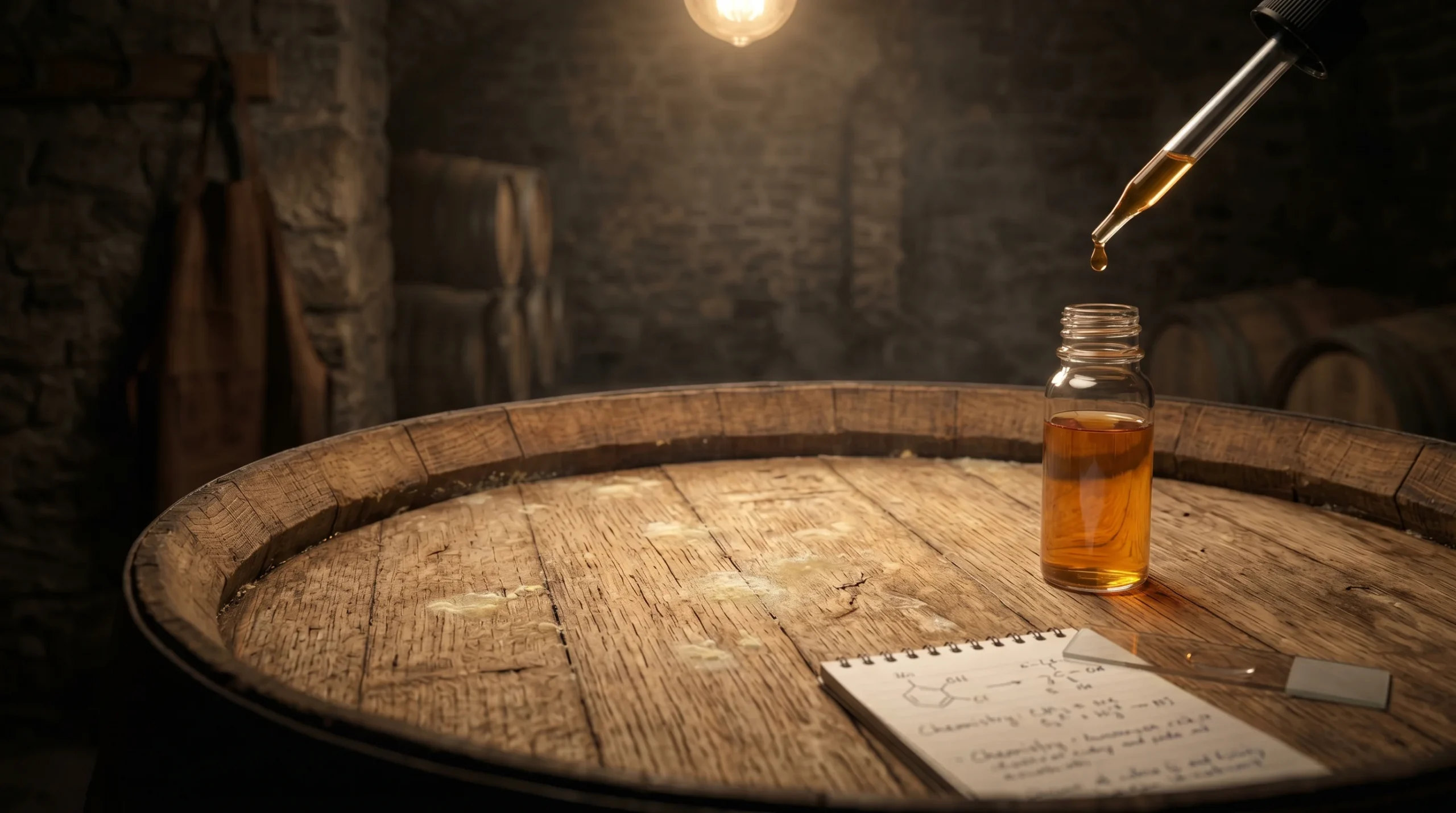
Three Types of Microorganisms That Create Sour Flavor
In modern sour beer, there are three "main actors" that create the sour taste:
- Lactobacillus — Lactic acid bacteria, which produce lactic acid (sour and soft, like yogurt). These are the most important bacteria in sour beer. Lactobacillus is found everywhere — in yogurt, kimchi, pickles, and even in sour beer.
- Pediococcus — Other lactic acid bacteria, which produce lactic acid and some complex compounds. Often found alongside Lactobacillus in long-aged sourdough beers.
- Brettanomyces (“Brett”) — Wild yeast, not bacteria. Creates a distinctive “funky” aroma — leather, stables, tropical fruit, wood. Does not produce lactic acid directly but produces acetic acid (vinegar-like sourness) and many complex esters.
Depending on the style, brewers use one, two, or all three of these microorganisms. Berliner Weisse primarily uses Lactobacillus (slightly acidic, clean). Lambic uses all of them—Lactobacillus, Pediococcus, Brettanomyces, and even Saccharomyces—creating an extremely complex flavor.
Two Styles: Quick Sour vs Wild Sour
In modern sour beer, there are two distinct schools of thought:
Quick Sour (Kettle Sour) — Brewers add Lactobacillus to the brewing vessel for 24-48 hours before boiling (to kill the bacteria), then ferment normally with yeast. The result is a mildly sour, clean, and easy-to-drink beer. Berliner Weisse, Gose, and most modern Sour Ales follow this approach.
Wild Sour — Brewers allow Lactobacillus, Pediococcus, and Brettanomyces to coexist in wooden barrels for months to years. These microorganisms "dialogue" with each other, producing hundreds of complex compounds. The result is a deep, funky, and complex beer. Lambic, Flanders Red, and Wild Ale follow this path.
Quick Sour is the "industrial" method — fast, controllable, and scalable. Wild Sour is the "artisan" method — slow, not entirely controllable, and each batch is a surprise. Both have their own value. Many modern breweries make both.
Lambic Family — The Classic Soul of Sour Beer
If the world of sour beer has an "ancestor," it's Lambic.
This is the oldest surviving style of beer in the world — brewed continuously for over 500 years in the Pajottenland valley west of Brussels, using the same methods employed by 16th-century brewers. No cultured yeast. No precise temperature control. No lab testing. Just water, malt, old hops, and the air of Pajottenland — where natural microorganisms have settled within the brick walls of breweries over centuries.
Lambic is not a beer that is "made." Lambic is a beer that is "allowed to happen naturally." This is the fundamental difference between Lambic and all other modern beer styles.
History & Origins
Lambic originated in Pajottenland, a small agricultural area west of Brussels (Belgium), at least in the 15th century. The name "Lambic" is believed to come from the village of Lembeek—one of the first places to produce this style.
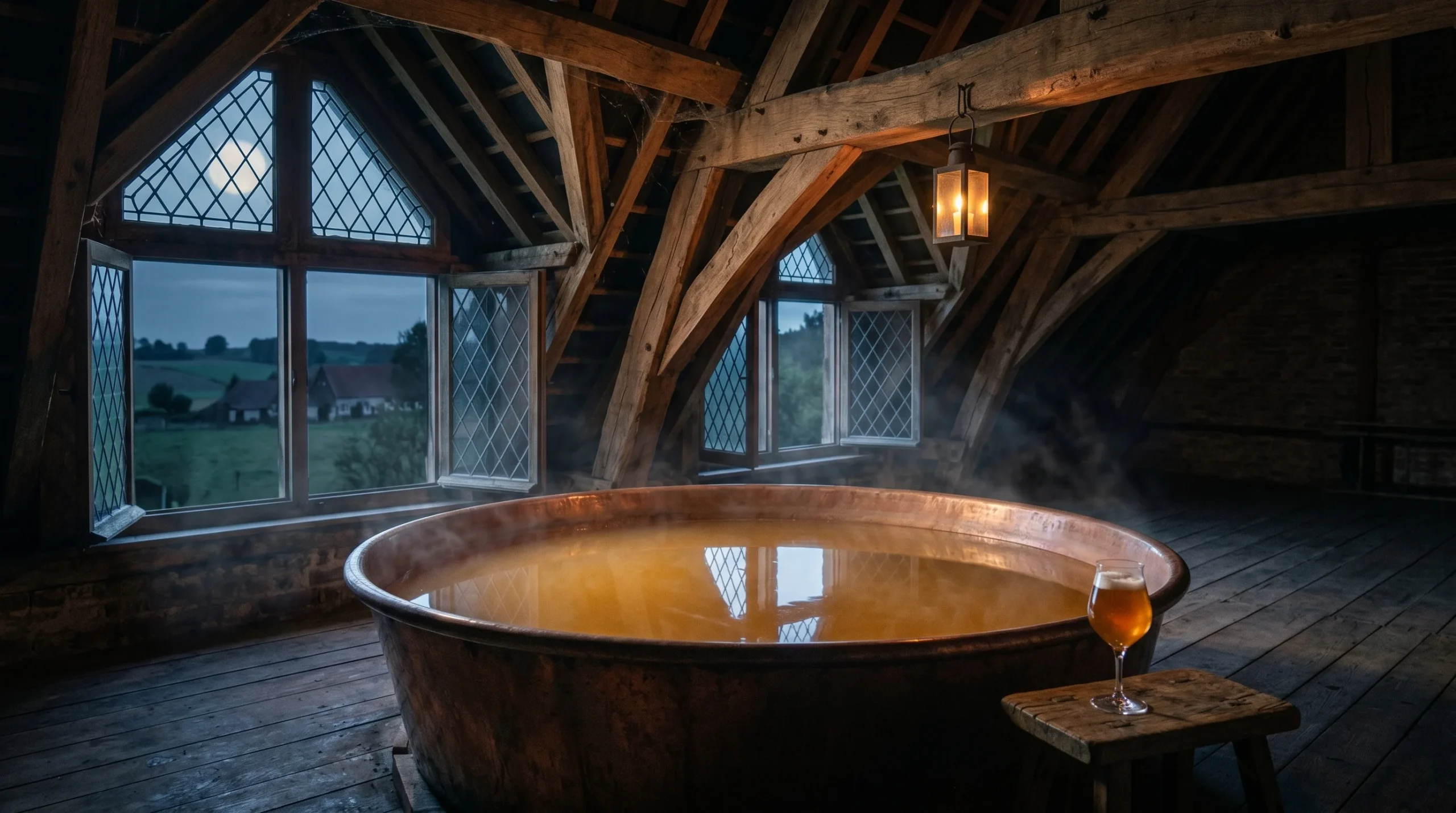
The most distinctive feature of Lambic is its method. natural fermentation (spontaneous fermentation). After cooking, the brewer pours the wort (the cooked liquid) into a shallow tank called a wort maker. koelschip (Coolship) — set up in the brewery's attic with the windows open. During the night, Pajottenland air rushes in, bringing with it hundreds of types of yeast and bacteria — Saccharomyces, Lactobacillus, Pediococcus, Brettanomyces, and many others not yet fully identified by science.
The following morning, the wort had "caught" the microorganisms characteristic of Pajottenland. It was then transferred into old oak barrels (usually old wine barrels) to ferment and age for 1-3 years.
This is why Lambic It can only be cooked at Pajottenland.. The natural microorganisms found there cannot be replicated elsewhere. A brewery aiming for "authentic" Lambic must be located in this area—and even then, each brewery still possesses its own unique microbiome due to its brick walls, wooden barrels, and accumulated history.
In 1997, the EU recognized Lambic as Traditional Specialty Guaranteed — providing legal protection for this traditional method.
Common Characteristics of the Lambic Family
- Color: Deep yellow to amber, sometimes ruby red (Fruit Lambic)
- Body: Light, almost completely dry.
- Main flavor: Acidity (lactic and acetic), funky (Brett - leather, stable), fruit (raisins, green apples), oak, sometimes with a slightly "lively" tartness like champagne.
- Suitable for: Those who love complexity aren't afraid of the "unusual" taste.“
Lambic Styles
Belgian Lambic — Lambic, "original," unblended, and without added fruit. Often drunk young (1 year old) at local pubs in Brussels. It has a distinctly sour, funky taste, with almost no sweetness. This is the "rawest" form of Lambic, and also the least exported.
Belgian Gueuze — An elegant blend of Lambic. Brewer (called sinkYoung Lambic (1 year) is blended with aged Lambic (2-3 years), then bottled. Young Lambic retains residual sugar, creating natural carbonation in the bottle. The result is a beer with champagne-like effervescence, complex acidity, the depth of aged Lambic, and the freshness of young Lambic. It's been dubbed the "champagne of the beer world.".
Belgian Fruit Lambic Lambic is often fermented with fresh fruit. The most popular is... Cold (cherry) and Framboise (raspberry). Fresh fruit is placed in Lambic vats and aged for several months. Microorganisms "eat" the sugars in the fruit, creating a beer with a distinctly fruity flavor while retaining its characteristic dryness and acidity. This is the most accessible way for newcomers to enjoy Lambic — a mild fruity flavor with a touch of acidity.
Belgian Faro Lambic is sweetened with candied sugar or syrup. This is the traditional "for special occasions" style — the acidity is softened by the sweetness, creating a more palatable beer for those unfamiliar with the original Lambic. It is less common now, but is still produced by some traditional breweries in Brussels.
Lambic in Vietnam
Lambic is the hardest style to find in Vietnam. Due to limited production (only a few dozen breweries worldwide), high price (due to the long aging time), and specialized demand (not everyone is accustomed to its strong acidity) — Lambic is mainly only available at a few Belgian bottle shops in Ho Chi Minh City and Hanoi.
Here are some Lambic brands worth looking for if you have the chance: Cantilever (Brussels, considered the "king" of Lambic), 3 Fonteinen (Legendary blender), Boon (Larger, easier to find), Lindemans (Commercial but popular, especially the Framboise version for beginners).
If you're new to Lambic, start with Fruit Lambic (Kriek or Framboise) — the fruitiness will be milder, less sour and funky, much easier to drink than the original Lambic. Once you're used to it, try Gueuze — and you'll understand why it's called the "champagne of beer".
Flanders Sours — Western Belgian Sour Beer
If Lambic is the epitome of Pajottenland west of Brussels, then Flanders Sours is the epitome of another region — West Flanders, near the French border. Just 100km from Pajottenland, but with a completely different brewing philosophy.
While Lambic relies entirely on natural fermentation, Flanders Sours combines traditional fermentation with elaborate blending. This is the most "elegant" style of sour beer—not funky like Lambic, not light like German Sours, but somewhere in between: deep, complex, closer to red wine than beer.
The Belgians have a saying: "Flanders Sour is the beer of those who know beer." This isn't a beginner's style. This is a style for those who have come a long way.
History & Origins
Flanders Sours originated in West Flanders (Belgium) in the 18th and 19th centuries. This region has a tradition of aging beer in oak barrels for extended periods—a technique developed to preserve beer in warm weather before refrigeration technology became available.
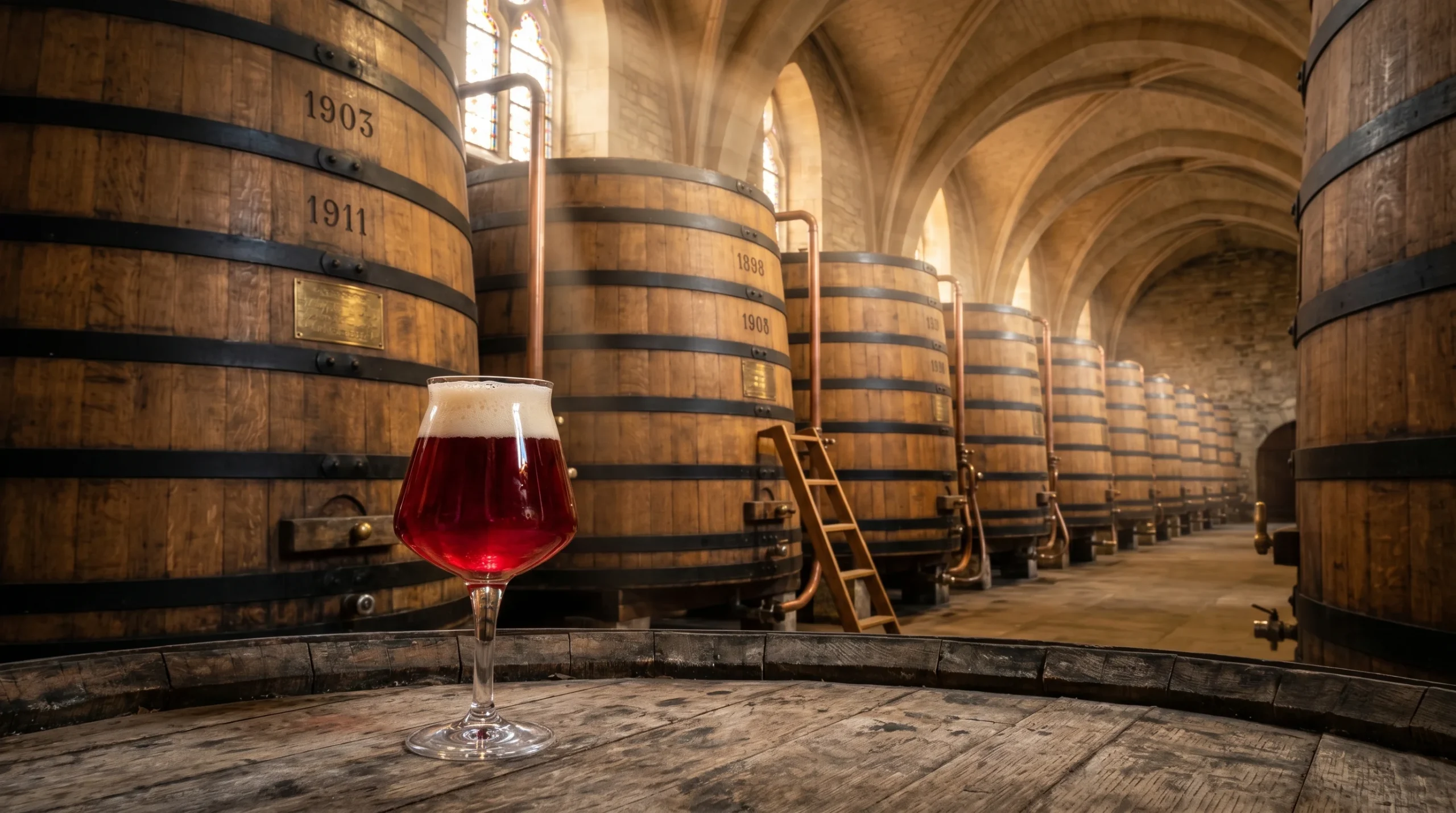
In wooden barrels, beer comes into contact with microorganisms "resident" in the wood—especially Lactobacillus and Brettanomyces—creating complex sour flavors over months to years. Unlike Lambic (completely natural fermentation), Flanders brewers typically start with controlled Saccharomyces yeast, then allow the beer to "grow" in wooden barrels.
This style is associated with one particular name: Rodenbach Brewery, Founded in 1821 in Roeselare, Rodenbach defined Flanders Red Ale with its vast system of wooden casks—some over 150 years old. Each cask has its own unique microbiome and character. Rodenbach's master blender selects each cask and blends them to create a beer with a balanced flavor.
The sour beer from West Flanders is known as the "Burgundy of Belgium"—because of its deep ruby red color, wine-like flavor, and complexity close to that of Burgundy red wine.
Common Characteristics of Flanders Sours
- Color: Ruby red to deep brown (different from Lambic yellow-amber)
- Body: Medium, smoother than Lambic
- Main flavor: Acidity (lactic and acetic), dried fruit (raisins, cherries, prunes), light chocolate, oak, sometimes hints of vinegar (balsamic vinegar), and vanilla.
- Suitable for: A lover of red wine, who appreciates the complexity of wine-like qualities.
Flanders Sour Styles
Flanders Red Ale — A characteristic ruby-red, tart beer, aged in oak barrels for 1-2 years. Complex aromas reminiscent of red wine — tart cherry, dried plum, vanilla, light chocolate, a hint of balsamic vinegar. The acidity is bold but balanced by malt-forward notes and a subtle fruity sweetness. This style defines “wine-like beer.” Rodenbach Grand Cru is the benchmark of this style.
Flanders Oud Bruin — “Oud Bruin” means “old brown” in Dutch. A brown version of Flanders Sour, less acidic than Red Ale, more malt-forward. More intense aromas of chocolate, caramel, and dried fruit. Firmer body. Shorter aging (6-12 months) in oak barrels. Liefmans Goudenband is a classic example. This style is more accessible to beginners — lighter acidity, more pronounced malt notes.
Flanders Sour in Vietnam
Flanders Sour is less common in Vietnam, but easier to find than Lambic. Some Belgian bottle shops in Ho Chi Minh City and Hanoi carry Rodenbach Grand Cru, Duchesse de Bourgogne, or Liefmans Goudenband — all classic examples of the style.
Special Duchesse de Bourgogne Flanders Red Ale is very popular in the Belgian beer market — you can find it in craft beer bars specializing in Belgian beers. It's an ideal starting point if you're curious about wine-like beer.
Interesting pairing: Flanders Red Ale + flavorful grilled meat (Roasted lamb, beef steak, roast duck). The sharp acidity and wine-like complexity of the beer make a great bridge to meat-forward dishes — much like how Burgundy red wine pairs with them.
If you love red wine and want to explore beers with similar characteristics, Flanders Sour is the first door to knock on.
German Sours — Mildly Sour German Beer
If Lambic was a long, years-long dialogue with natural microorganisms, German Sours is a short but subtle one.
These are "light" sour beers — low ABV (3-5%), with a soft, yogurt- or lemon-like acidity, a light body, and easy to drink. Unlike Lambic, which requires years of aging, German Sours can be completed in a few weeks. Unlike Flanders Sours, which are bold and wine-like, German Sours are refreshing and invigorating like sparkling lemonade.
This is the most accessible style of sour beer for beginners. It's also the most suitable for hot climates — a cold Berliner Weisse or Gose on a Saigon summer afternoon can be a perspective-changing experience when it comes to sour beer.
History & Origins
German Sours has two historical centers: Berlin and Leipzig.
Berliner Weisse originated in Berlin around the 16th-17th centuries. By the 19th century, it was the most popular beer in Berlin — at one point, more than 700 breweries produced Berliner Weisse in the city. Napoleon once called it... “"Champagne of the North"” After the French army stationed itself in Berlin in 1809, however, by the mid-20th century, modern Pilsner and Lager had almost wiped out Berliner Weisse — with only a few breweries still producing it.
Gose has its own history — it originated in the small town of Goslar (Germany) around 1000, then migrated to Leipzig in the 18th century. A unique feature: Gose has an additional salt and Coriander (Coriander) — two rare ingredients in German beer (because the 1516 Reinheitsgebot only allowed water, malt, hops, and yeast). Gose was permitted because it was a traditional style that predated the law.
Both Berliner Weisse and Gose nearly disappeared in the mid-20th century. The global craft beer movement of the 2010s revived both. Today, these are two styles favored by many independent breweries worldwide — because they are easy to brew (compared to Lambic), easy to experiment with (adding fruits, herbs), and easy to sell.
Common Characteristics of German Sours
- Color: Pale yellow to slightly cloudy yellow
- Body: Light, refreshing
- Main flavor: Mildly acidic (lactic, like yogurt), dry finish, sometimes salty (Gose), often served with fruit or syrup.
- Suitable for: For those new to sour beer, those living in hot climates, and those who don't like high alcohol content.
German Sour Styles
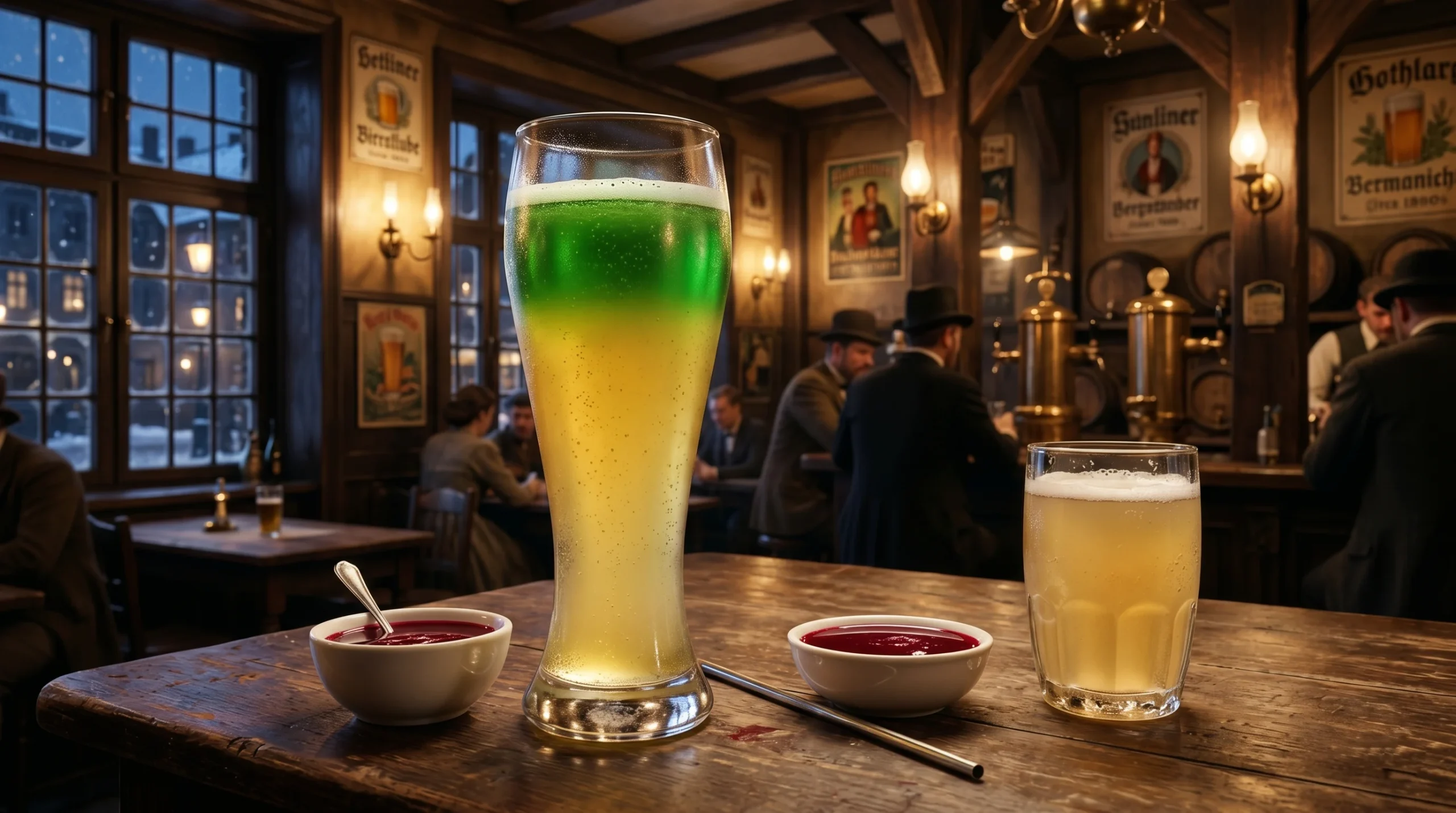
Berliner Weisse — A traditional Berlin sour beer, low ABV (2.8-3.8%), mildly acidic and clean, with an extremely light body. Brewed with over 50% wheat malt, fermented with Lactobacillus and Brettanomyces. Traditionally served with Schuss — A little syrup (usually raspberry or green woodruff) to mellow the acidity. This might be the easiest-to-drink sour beer style for complete beginners.
Goose — Leipzig sour beer with a unique feature: it has an added bonus. sea salt and Coriander. The mild acidity combined with a subtle saltiness and coriander notes creates a character unlike any other beer style. Moderate ABV (4.2-4.8 %). Light body. This is an unusual yet captivating style — drinking a Gose for the first time often surprises: "Why does this beer have salt?" That's precisely its appeal.
German Sours in Vietnam
German Sours are gradually appearing on Vietnamese craft beer menus — especially Berliner Weisse and Gose, which have been experimented with by some local breweries. Pasteur Street Brewing, Heart of Darkness, and a few other breweries already offer Berliner Weisse or Gose with Vietnamese fruits (passion fruit, mango, pineapple).
This is the style extremely suitable with Vietnam for many reasons:
- Hot climate German Sours are as refreshing as lemonade, perfect for summer.
- Low ABV — Able to drink many glasses without getting drunk, suitable for the culture of "long drinking sessions".“
- Sour and salty taste (Gose) — Similar to Vietnamese taste (sour, spicy, salty, sweet)
- Vietnamese fruits Passion fruit, mango, pineapple, lychee, and guava all pair wonderfully with Berliner Weisse and Gose.
If you've never tried sour beer and want to start—begin here. A Berliner Weisse with passion fruit syrup, or a chilled Gose with a hint of salt. It's the gentlest way to enter the world of sour beer.
Modern Wild Ales — The New Generation of Sour Beer
Lambic is classic. Flanders Sours are traditional. German Sours are heritage. So what about modern sour beer?
This is the question that a generation of American brewers posed in the 1990s. They loved the complexity of Lambic, but couldn't brew Lambic outside of Pajottenland. They admired Flanders Red, but didn't want to simply copy it. They wanted to create a line of sour beers. of their own — Still using wild yeast and bacteria, but with more flexibility in technique and greater creativity in flavor.
That was the beginning of Modern Wild Ales — a generation of sour beers unbound by geographical tradition, yet still respecting the fundamental philosophy: let the natural microorganisms or Brettanomyces guide the flavor, not the brewer.
History & Origins
Modern Wild Ales began to take shape in the US in the 1990s, with pioneering breweries such as Russian River (California) and The Lost Abbey. Vinnie Cilurzo of Russian River created the Belgian-inspired wild beers series (Supplication, Temptation, Sanctification) — not Lambic, not Flanders, but a Californian-style sour beer.
By the 2010s, this style had spread throughout the US and Europe. Breweries such as Jester King (Texas), First Project (Missouri), Hill Farmstead (Vermont) has pushed the style far — from wild ales fermented entirely with their farm-grown microorganisms, to hybrid products between Lambic and Modern Wild.
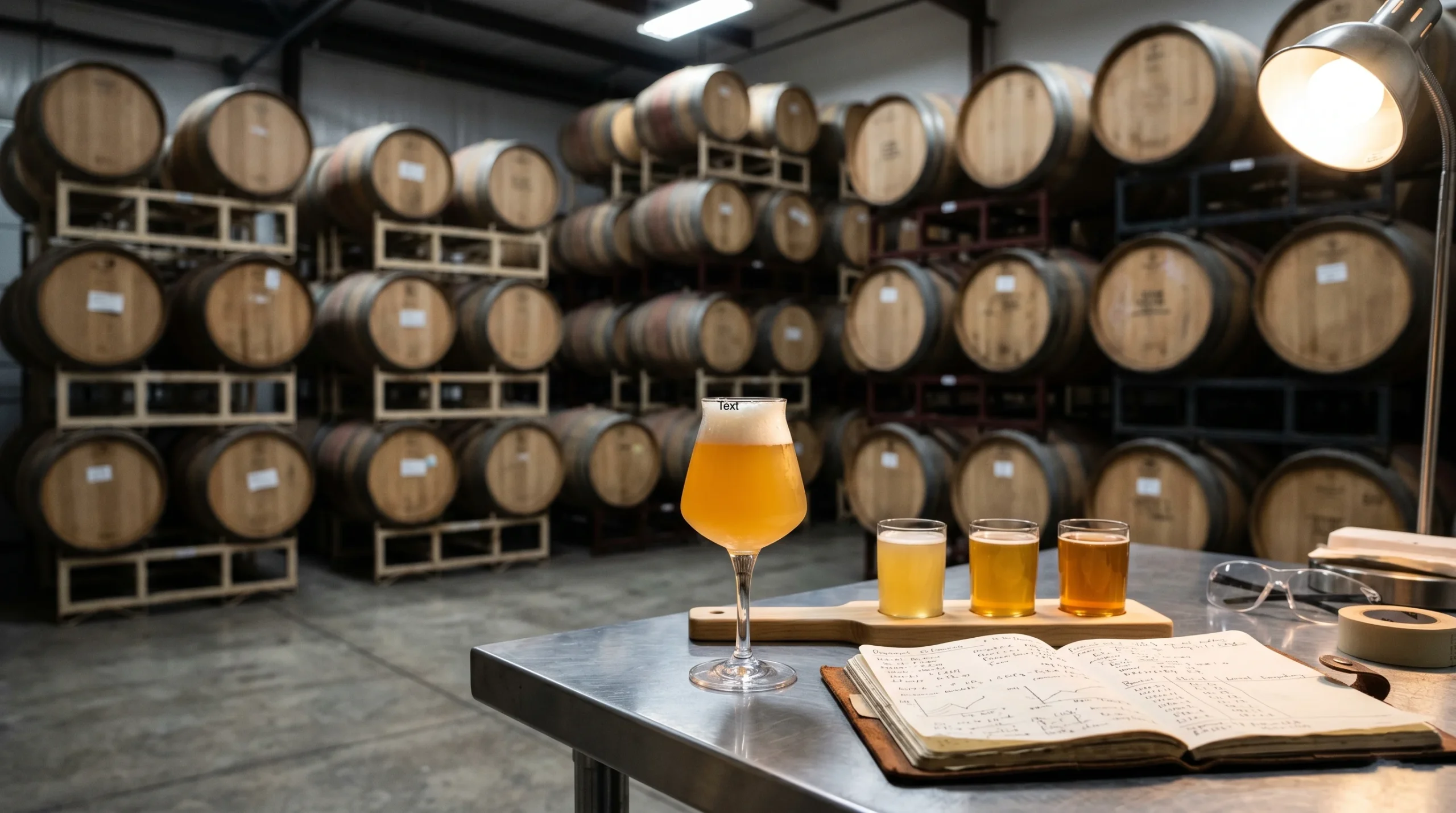
The fundamental difference from the Belgian tradition is that American brewers have more control. They can choose the precise microorganisms (cultures grown in the lab), temperature, and time. They can use... feders (Large wooden barrels) or oak barrels from American wine. The result is a sour "craft" beer that is more reproducible than Lambic.
Common Characteristics of Modern Wild Ales
- Color: Ranges from pale yellow to dark brown.
- Body: Light to medium
- Main flavor: Acidic to mildly tart, funky from Brett (leather, stable, tropical fruit), oak, dried fruit.
- Suitable for: Those who are accustomed to sour beer appreciate creativity and variety.
Modern Wild Ale Styles
Wild Ale — The broadest style in the group, for any beer fermented with wild yeast (usually Brettanomyces) and/or lactic acid bacteria, using a non-Lambic method. This could be 100% Brett, or mixed fermentation (combining Brett, Lacto, Pedio, Saccharomyces). Character is diverse — from light, funky acidity to sharp, complex acidity. This is a “sandbox” for creative brewers.
Brett Beer — Fermented beer main With Brettanomyces (not Saccharomyces). It doesn't necessarily have to be sour — Brett doesn't produce as much acid as Lactobacillus, but it creates a distinctive "funky" aroma: leather, stables, tropical fruits, dried flowers. Lactic acid bacteria may or may not be included. This is a "specialty" style for those who love Brett aromas but don't need a lot of sourness.
Sour Ale — A broad term for modern sour ale, often using the kettle sour method (Lactobacillus is added to the kettle 24-48 hours before boiling). It has a clean sour taste (mostly lactic acid), is not as complex as Lambic, but is easy to brew, easy to scale, and forms the basis for many modern variations (Fruited Sour, Smoothie Sour). Many breweries use "Sour Ale" as a base, then add fruit or flavor adjuncts.
Modern Wild Ales in Vietnam
Modern Wild Ales is a craft beer style in Vietnam that is just beginning to be explored. Some local breweries have experimented with Brett-fermented beers or Sour Ales — but this is still relatively rare compared to IPAs or Stout.
The biggest challenge when cooking Modern Wild in Vietnam is cross-contamination. Brett and Lactobacillus are very "fussy" — once they appear in a brewery, they can contaminate regular batches of beer, ruining the entire production line. Most Vietnamese breweries do not yet have the facilities to dedicate themselves to this type of beer (requiring specialized equipment and a dedicated area).
However, some breweries have already gotten a start. If you see "Wild Ale" or "Sour Ale" on a craft beer menu, give it a try—this is an opportunity to support Vietnamese brewers experimenting with this complex style.
Imported beer is also an option. Russian River, Cascade Brewing, Crooked Stave, and many American breweries specializing in Modern Wild beer have products available in craft beer bottle shops in Ho Chi Minh City and Hanoi. They are more expensive than regular beer, but a worthwhile investment for sour beer lovers.
Modern Sour Variants — The Sour Beer of the Instagram Generation
If Lambic is a 500-year legacy and Modern Wild is the technical innovation of the 1990s, then Modern Sour Variants is style. of the decade we are living in.
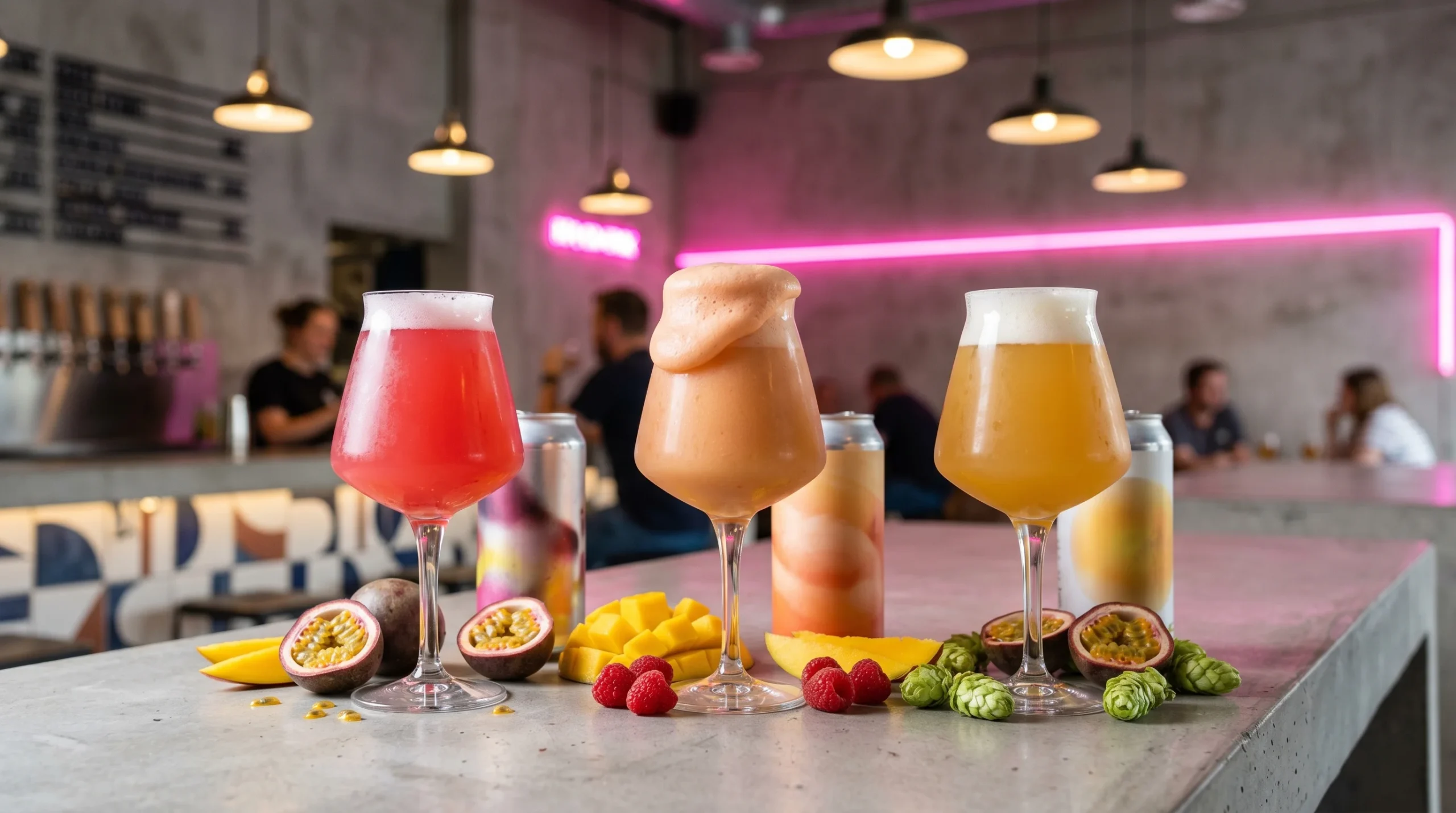
These are the youngest, most colorful, and most controversial sour beers. A peach-colored sour beer with vanilla beans and a fruity smoothie topping. An orange sour beer with lactose, mousse on top, and a smoothie-like aroma. A sour beer with hops like an IPA but with a sour taste. These are beers in the age of Instagram — visually appealing, intriguing, shareable, and sometimes incredibly delicious.
This style is controversial within the traditional beer community — many call it “not beer,” “beer dessert,” or “beer Instagram.” But there’s no denying it: Modern Sour Variants have introduced sour beer to millions of new people — people who would never try Lambic, but would happily sip a can of mango passion fruit Smoothie Sour.
History & Origins
Modern Sour Variants began to emerge around 2015-2017, coinciding with the boom in Hazy IPAs. A generation of brewers—primarily American—decided, “Why should sour beer be taken seriously?”.
They began experimenting: adding lactose to Sour Ale for a soft sweetness—similar to how Milkshake IPAs do with hops. Adding pureed fruit instead of whole fruit—for a smoothie-like body and mouthfeel. Adding vanilla, marshmallow, and cinnamon—to give the beer a dessert-like character. Combining aromatic hops with Lactobacillus—to create Sour IPA, a taste paradox.
Pioneering breweries: The Veil (Virginia), Other Half (New York), Tree House (Massachusetts), WeldWorks (Colorado), and 450 North Brewing (Indiana — famous for their Slushy series). They have redefined "sour beer" for a new generation.
By 2020, Modern Sour Variants had become one of the fastest-growing styles in craft beer globally. This trend spread to Southeast Asia, including Vietnam, from around 2022.
Common Characteristics of Modern Sour Variants
- Color: Extremely diverse — gold, pink, red, orange, purple, sometimes neon
- Body: Medium to full (due to fruit puree and lactose)
- Main flavor: Mild to medium acidity, sweet, strong fruity aroma, sometimes with hints of vanilla, marshmallow, or cinnamon.
- Suitable for: For those new to sour beer, who don't like overly strong sourness, and who love fruit.
Modern Sour Variant Styles
Fruited Sour Ale Sour ale contains added real fruit (fresh or puree). This can be a single fruit (cherry, raspberry, mango, passion fruit) or a combination of several. The fruit is usually added after the main fermentation, preserving the fresh fruit flavors without the bitterness of tannins. This is the most common style in the group — almost every craft beer brewery has at least one Fruited Sour on its menu.
Smoothie Sour Ale — The "ultimate" version of the modern trend. Sour Ale + lactose + large quantities of fruit puree + sometimes vanilla or marshmallow. The result: an extremely full-bodied, almost mousse-like drink with intense fruit flavors and a mild acidity from the lactose. When poured into a glass, it often creates a thick, smoothie-like top layer — hence the name. This is the most controversial style — fans call it "liquid paradise," critics call it "carbonated sugar." Both have valid points.
Sour IPA — A bold hybrid style: aromatic hops like those in IPAs (Citra, Mosaic, Galaxy) meet Lactobacillus. The result: a beer with citrus/tropical fruit notes of hops, a clean sourness from lactic acid, a light body, and a dry finish. This style is for those who love both IPA and sour beer — two worlds united in one glass. Also known as “Sour Hop” or “Hoppy Sour” on some menus.
Modern Sour Variants in Vietnam
This is perhaps the fastest-growing category of sour beers in Vietnam over the last 2-3 years. Suitable for the hot climate, appealing to younger tastes, and easy to market on social media, Modern Sour Variants has become an entry point for many Vietnamese people new to craft beer.
Some local breweries have been experimenting in an interesting way:
- Pasteur Street Brewing — Some Fruited Sours with Vietnamese fruits (passion fruit, mango, lychee)
- Heart of Darkness — The Sour series is diverse, including Smoothie Sour.
- Te Brewery — Brett-fermented experiments and Fruited Sours
A great opportunity for Vietnamese breweries: collaboration with characteristic tropical fruits — Passion fruit, lychee, longan, mangosteen, durian, pineapple, guava. These are fruits that American breweries cannot access fresh with the same quality and price as in Vietnam. A lychee sour smoothie or a mangosteen fruited sour smoothie could be a signature product that only Vietnam can make.
If you're new to sour beer and want to explore sour flavors but aren't ready for Lambic, Modern Sour Variants are the ideal gateway. Start with Fruited Sour with familiar fruit flavors (passion fruit, mango), then gradually move up to Smoothie Sour, then Sour IPA, and finally explore more classic traditions.
How to Enjoy Sour Beer
Sour beer requires a different approach than dark or bitter beer. If dark beer invites slowness and bitter beer invites freshness, sour beer invites... openness. Be open to a character that might seem unfamiliar at first. Be open to changing your perspective on "what beer should taste like.".
This section focuses on the key aspects of enjoying sour beer. For a deeper understanding of beer enjoyment in general—serving temperature, glass type, pouring technique, tasting process, and food pairing principles—we have a comprehensive guide at [link]. How to Enjoy Beer.
3 Distinctive Features of Drinking Sour Beer
1. More accurate temperature
Sour beer is more sensitive to temperature than other styles. Too cold will numb the taste buds and mask the delicate sourness. Too warm will make the sourness harsh and unpleasant.
- Berliner Weisse, Gose: 5-7°C (cool, refreshing)
- Modern Sour Variants (Fruited, Smoothie): 5-8°C
- Lambic, Gueze: 8-10°C (warm enough to bring out complex aromas)
- Flanders Red, Oud Bruin: 10-12°C (close to red wine temperature)
Simple rule: the more complex the acidity of the beer, the warmer it should be served.
2. Testing should begin with the nose.
Sour beer has an interesting "mismatch" between the nose and the mouth. A Lambic might have sweet dried fruit notes and funky leather – but the taste is dry and sharply sour. A Berliner Weisse might have a hint of lemon – but the taste is sour like plain yogurt.
Spend 20-30 seconds smelling before drinking. Learn to predict the flavor from the aroma, and then test your prediction against the actual taste. This is one of the most enjoyable tasting exercises in the world of beer.
3. Don't be shocked the first time.
The intense acidity can trigger a physical reaction—excessive salivation, squinting eyes, and facial wrinkles. This is a natural reaction to strong acid and not a sign that the beer is "bad." After the first sip, your taste buds will adapt quickly—the second sip will be much easier.
Tip for beginners: Before taking your first sip, take a sip of water to rinse your mouth. Then, hold the sour beer in your mouth for 3-5 seconds to give your entire taste buds a chance to experience it — not just the tip of your tongue (where you feel the most sourness). You'll be surprised at the depth of the sourness when you give it a chance.
Pair Sour Beer with Vietnamese Dishes
This might be the most interesting beer-pairing region with Vietnamese cuisine — and also the least explored.
Sour beer pairs well with Fresh dishes, sweet and sour dishes, dishes containing lactose (dairy products), and especially tropical fruits.. The sharp acidity of the beer complements the acidity of the food, while the complex character of the beer (especially Lambic and Flanders) adds depth to seemingly simple meals.
Here are some couples worth trying.
Spring Rolls, Mango Salad + Berliner Weisse
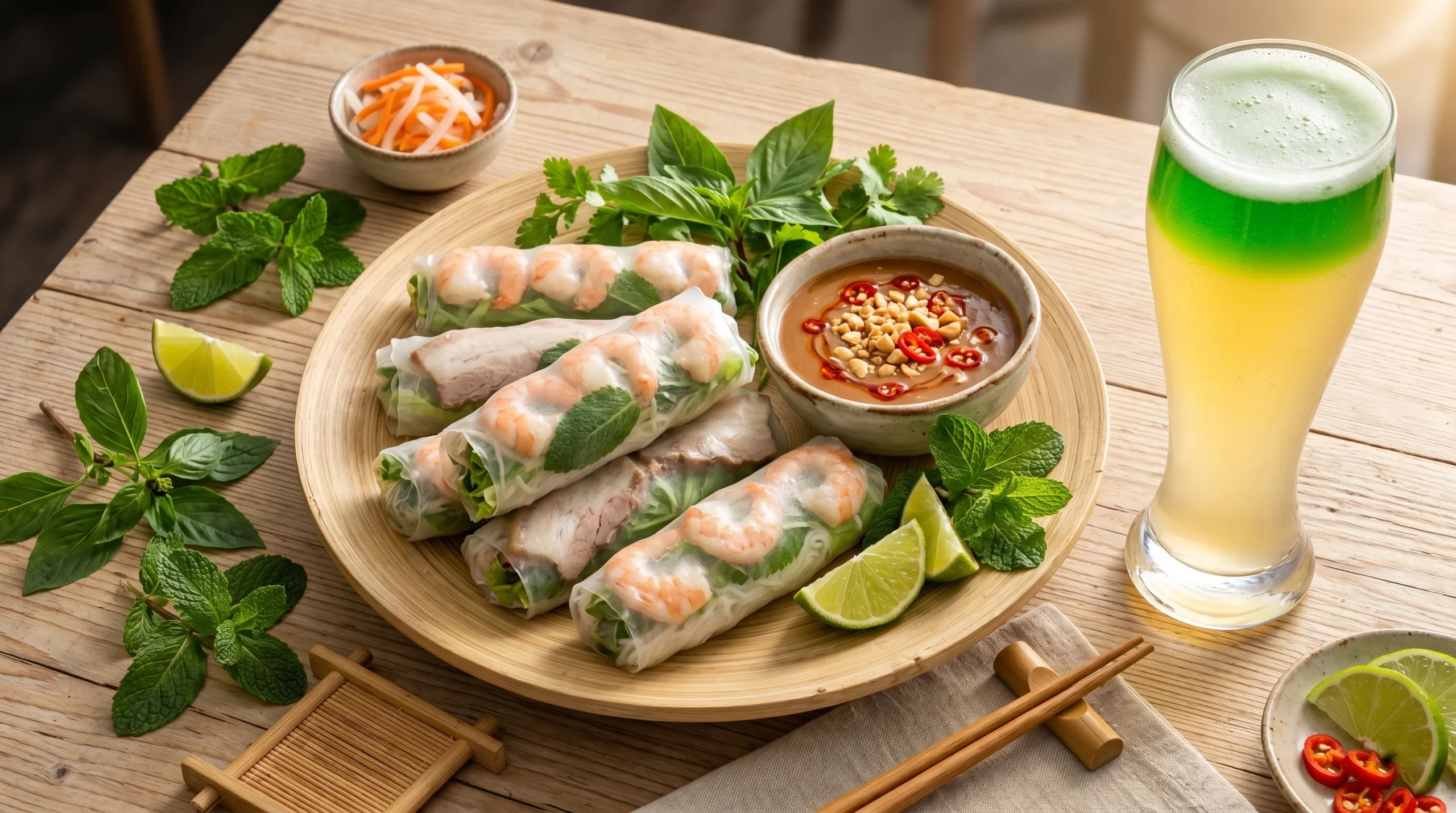
An ideal entry-level pairing. Spring rolls with shrimp, pork, fresh vegetables, and rice noodles meet the light and refreshing Berliner Weisse — both are fresh and light. The subtle acidity of the beer complements the lime in the dipping sauce, without overpowering the delicate herbs.
For mango salad (green or ripe), Berliner Weisse offers passion fruit or passion fruit syrup as the perfect combination — sourness + light fruit flavor + sweet and sour mango = ultimate refreshment.
Select: Berliner Weisse (with or without syrup).
Bun Bo Hue + Gose
This unconventional combo is incredibly harmonious. Spicy, rich Hue-style beef noodle soup with a salty flavor from shrimp paste pairs perfectly with Gose beer—a sour beer with sea salt and coriander.
The saltiness of Gose beer enhances the umami flavor of the shrimp paste. Coriander complements the herbs in the rice noodles. The slight sourness balances the spiciness and prevents the meal from being too heavy. This is one of the smartest pairings between beer and Central Vietnamese cuisine.
Select: Gose (traditional or Fruited Gose lemon flavor).
Sour Pho, Rice Vermicelli with Roast Pork + Flanders Red Ale
This is an "elegant" pairing — a complex dish from the Southwestern region of Vietnam paired with a Flanders Red Ale-like wine.
Lang Son sour pho (or other sweet and sour dishes from the Mekong Delta) has a delicate balance between meat, vegetables, spices, and a sweet and sour dipping sauce. Flanders Red, with its complex notes of tart cherry, oak, and malt, creates a "wine pairing" experience for Vietnamese cuisine—much like how Burgundy red wine pairs with traditional French dishes.
Especially with crispy-skinned roast pork — the sharp acidity of Flanders Red cuts through the fat, and the malt-forward complements the meat.
Select: Flanders Red Ale (Rodenbach Grand Cru, Duchesse de Bourgogne).
Mixed Rice Paper Salad, Grilled Rice Paper + Fruited Sour Ale
Saigon street food meets Fruited Sour Ale — nothing could be more multicultural than this. The mixed rice paper salad contains salt, chili, fish sauce, lime, shrimp paste, peanuts, and chili sauce — a full spectrum of Vietnamese flavors. Fruited Sour Ale, with its fresh fruit flavors and light sourness, creates a refreshing sensation with every bite.
The sourness of the beer, combined with passion fruit or mango, enhances the fruity flavors in the rice paper rolls (if served). The light body of the beer doesn't overpower the already flavorful street food.
Select: Fruited Sour Ale with tropical fruits (passion fruit, mango, pineapple).
Fresh Seafood (Sashimi, Raw Oysters, Raw Prawns) + Belgian Gueze
This is the ultimate pairing for connoisseurs. Gueuze—with its champagne-like fizz, sharp acidity, and complex aroma—is one of the perfect choices for fresh seafood.
Similar to dry white wines (Sauvignon Blanc, Albariño) paired with oysters, Gueuze pairs well with raw oysters and sashimi according to the same principle — acidity, minerality, and a light body do not overpower the subtle marine notes.
With Hanoi-style raw shrimp (peeled shrimp dipped in chili salt), Gueuze "cleanses" the palate between bites while enhancing the shrimp's natural sweetness.
Select: Belgian Gueuze (Cantillon, 3 Fonteinen, Boon).
Roast Duck, Roast Duck + Flanders Oud Bruin
Duck is a fatty meat with a distinctive flavor — it needs a beer with enough character to match. Flanders Oud Bruin, with its light acidity, malt-forward notes, chocolate, and dried fruit aromas, is the ideal combination.
The acidity of the beer, the malt, and the caramel complement the crispy roasted skin. Especially with Peking duck or Van Dinh free-range duck, Oud Bruin creates an elegant meal that rivals any wine pairing.
Select: Flanders Oud Bruin (Liefmans Goudenband).
Fatty Fried Foods (Fried Chicken, Chicken Wings, Fried Fish) + Sour IPA
Deep-fried, greasy foods paired with a Sour IPA — acidity, hops, and a light body = the ultimate palate cleanser. Similar to how IPAs pair with fried foods (bitterness cuts through fat), but the acidity of a Sour IPA is even stronger than the bitterness — creating a complete "reset" sensation between bites.
Especially with Korean fried chicken (yangnyeom, soy garlic) — Sour IPA with tropical fruit hops and sourness makes a unique pairing for fusion cuisine.
Select: Sour IPA or Hoppy Sour.
Goat Cheese, Soft Cheese + Belgian Lambic
A classic pairing in Belgian culture. Mildly tart goat cheese meets tart and funky Lambic cheese, creating a “harmony of fermentation”—both products derived from natural microorganisms.
Brett in Lambic enhances the subtle "barnyard" flavor of the goat cheese. The sharp acidity cuts through the creamy richness of the cheese. The light body doesn't overpower the delicate character of the cheese.
This is the perfect combo for a relaxing evening with a cheeseboard — no need for anything else besides crispy bread.
Select: Belgian Lambic or Gueuze.
Fresh Tropical Fruits (Lychee, Longan, Mango, Passion Fruit) + Fruited Sour
Sometimes the simplest pairing is the best pairing. A plate of fresh tropical fruit paired with Fruited Sour Ale — both are refreshing, both fruity, but in different ways.
The acidity of the beer highlights the natural sweetness of the fruit. The fruit flavors in the beer may or may not match the fruit on the plate—both scenarios create an interesting experience.
Especially with fresh lychee — Lambic Framboise or Fruited Sour with lychee flavor is a rare "tropical luxury" combination.
Select: Fruited Sour Ale or Belgian Fruit Lambic (Kriek, Framboise).
Pastries, Desserts + Sour Ale Smoothies
Smoothie Sour with lactose and fruit puree is a “dessert beer”—naturally suited to tart or fruity desserts.
Lemon pie, fruit tart, strawberry ice cream, panna cotta — they all pair well with Smoothie Sour. The sourness of the beer balances the sweetness of the pie, and the creamy, smooth body complements the texture of the dessert.
Specifically for three-color sweet soup, red bean sweet soup, or glutinous rice sweet soup — This is an interesting "multicultural" pairing. The mild sweetness of the tea + the lactose in the beer + a touch of sourness to soothe = a memorable weekend afternoon.
Select: Smoothies with sour ale or fruited sour sauce contain lactose.
Don't Be Afraid to Experiment
Pairing sour beer with Vietnamese food is a vast and largely unexplored territory. You might discover a fantastic pairing that no one has thought of yet — banh khot + Berliner Weisse? Com tam suon nuong + Gose? Bun dau mam tom + Flanders Red?
The only rule: sour beer + natural acidity + tropical fruit = usually works. The rest — experiment, and let your taste buds decide.
Where to begin if you're new to sour beer?
Sour beer can be the biggest hurdle in the world of beer for newcomers. Unlike dark beer (the misconception of "too strong") or bitter beer (the misconception of "too bitter"), sour beer has a particularly serious misconception — "bad beer".
A glass of original Lambic can be a shock for the novice: intensely sour like vinegar, funky like a stable, with no sweetness to "melt it down." First-time drinkers can easily conclude, "this beer is rotten"—and miss out on a whole world.
This is why the order of discovery is important. extremely important With sour beer—even more important than with dark or bitter beer. If you follow the right path, you'll find the sourness gradually becomes captivating. If you go in the wrong order, you might never reach Lambic—a style many beer connoisseurs consider the pinnacle of the beer world.
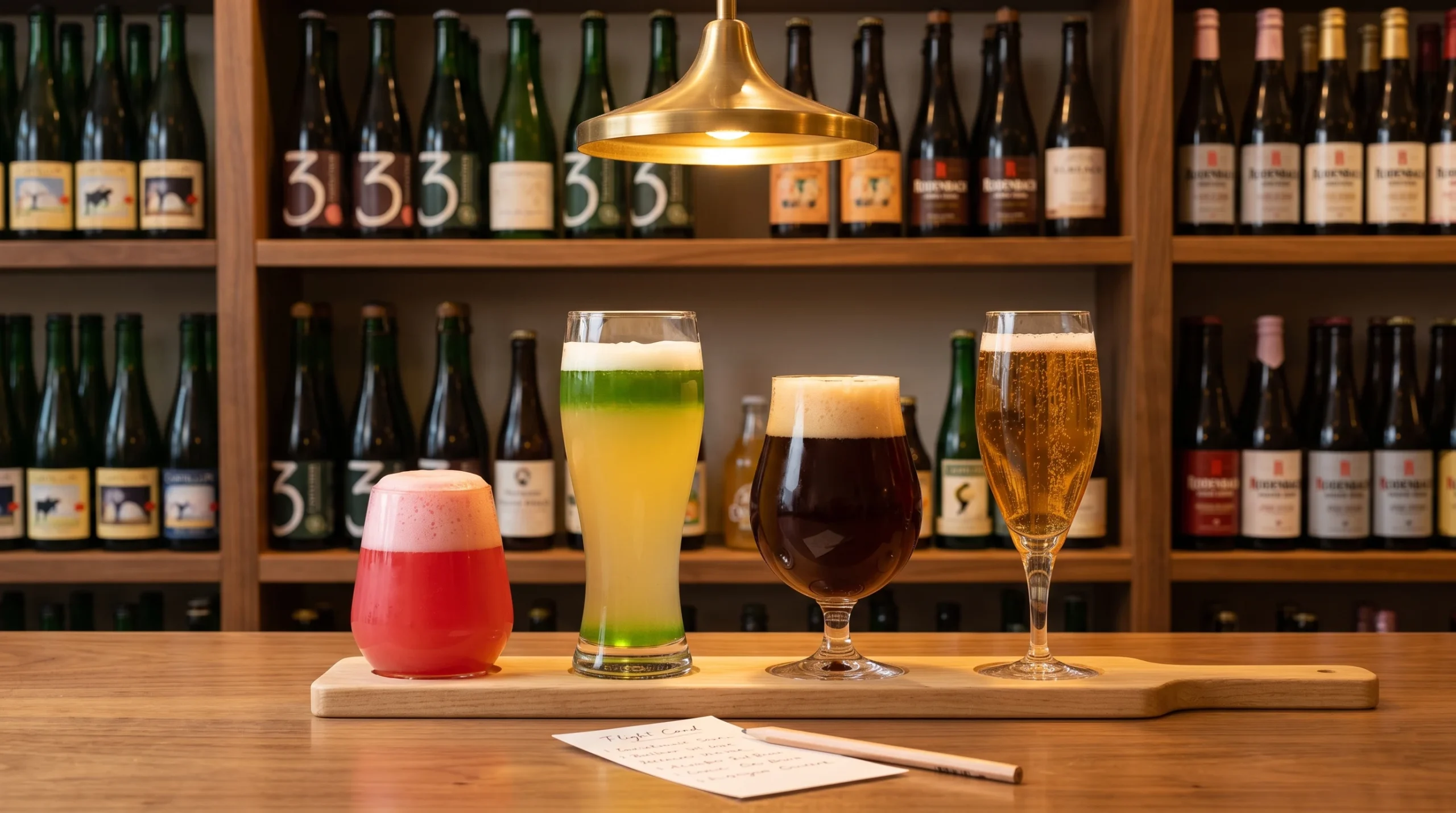
A 4-Step Pathway for Beginners
Step 1: Start with fruity Modern Sour Variants
Start with Fruited Sour Ale or Smoothie Sour Ale It has familiar fruity flavors — passion fruit, mango, pineapple. This is the easiest-to-drink sour beer, with the acidity softened by sweetness and fresh fruity aromas.
My feeling after the first glass: "Wow, sour beer can taste this good."“
This is the gentlest gateway into the world of sour beer. It's especially suited to Vietnamese tastes (love of fruit, love of sweet and sour flavors), and to the hot climate (a cold sour beer on a hot summer afternoon is wonderful).
Step 2: Enter German Sours
Once you've gotten used to the sour taste of Fruited Sour, move on to... Berliner Weisse or Goose. This is a "traditional" sour beer, yet it's still light and refreshing — no sweet toppings, no lactose to mask the sourness, but still easy to drink because of its low ABV and light body.
This is also when you begin to notice the difference between different types of sourness — the soft, yogurt-like lactic acid (Berliner Weisse) is different from the salty sourness with salt and coriander (Gose).
A tip: Traditional Berliner Weisse is served with Schuss — Add a little raspberry or green woodruff syrup to mellow the flavor. Try both versions (with syrup and the original) to notice the difference.
Step 3: Explore Flanders Sours
Now you're ready for some sour "wine-like" beer. Let's start with... Flanders Oud Bruin — A lighter, more malt-forward, less acidic version of Red Ale. Then it climbs up. Flanders Red Ale — with a character like Burgundy red wine.
At this stage, try pairing it with food. Flanders Sours pair particularly well with red meats, roast duck, and strong cheeses—much like how red wine pairs with these dishes. This is when you begin to understand that sour beer is not just a "drink" but a component of the meal.
Step 4: Lambic Family — The Pinnacle
Once you have a solid foundation built through the three steps above, it's time to try it out. Belgian Fruit Lambic Start with (Kriek or Framboise). The fruit in Fruit Lambic will temper the sourness and funky, helping you get used to Lambic's character without being shocked.
Then try it. Belgian Gueuze — “The champagne of beer,” with the effervescence of real champagne, a complex acidity, and a rich Brett aroma. This might be a beer you’ll remember forever after your first sip.
Finally, once you're completely familiar with the Lambic character, give it a try. Belgian Lambic Original — unmixed, no added fruit. This is the "rawest," most intense form. Some people will love it instantly. Others will find it too much — and that's perfectly fine.
Private Wild Ale and Brett Beer These are experimental styles worth exploring at any stage — character ranges from mildly sour and funky to intensely complex and tart. Each brewery has its own interpretation.
Avoid 3 Common Mistakes
1. Start with a classic Lambic or Flanders Red Ale.
This is the most common mistake for newcomers — especially those who confidently think, "I've drunk a lot of beers, nothing is too difficult." The original Lambic and Flanders Red have an intense sourness and funky character that can shock newcomers immediately.
If you try Lambic for the first time and don't like it, don't conclude "I don't like sour beer." Go back to Fruited Sour or Berliner Weisse—and return to Lambic after a few months. Your taste buds need time to adjust to the strong acidity.
2. Drinking beer that is too cold and sour.
This is the second most common mistake. Sour beers served at normal refrigerator temperatures (3-4°C) will numb the taste buds and obscure the depth and complexity — especially with Lambic and Flanders Sours.
Rule: take the beer out of the refrigerator 5-10 minutes before drinking. Let the beer “breathe”—you’ll be surprised by the new layers of flavor as it warms up. A glass of Gueuze at 10°C is quite different from the same glass at 4°C.
3. Evaluate from the first sip.
The intense sourness triggers strong physical reactions—salivation, squinting eyes, and facial wrinkles. This isn't a sign that the beer is "bad," but rather a natural reaction to the strong acidity.
The first sip will always be the most intense. The second and third sips—your taste buds have adapted, and the beer becomes more palatable and complex. Give yourself at least three sips before judging. Especially with Lambic and Flanders Sours—the beer “opens up” over time; the first glass is different from the last.
Final Advice: Sour Beer Requires a Different Perspective
Unlike dark beer (rich, comforting) or bitter beer (refreshing, energizing), sour beer requires another thought What is beer?.
It's not just a simple beverage. It's a product of natural microorganisms, closer to wine than to regular beer. It's the result of months or years of microorganisms "dialogue" with each other in wooden barrels. It's a story of chemistry, history, and culture compressed into a glass.
When you approach sour beer with this mindset — not as "beer that tastes sour," but as "a complex fermented beverage" — the entire experience changes.
After 3-6 months of persistent exploration, you'll realize something surprising — acidity is no longer a barrier but becomes a desirable characteristic. You'll start craving Brett's funky character. You'll be able to distinguish Cantillon from 3 Fonteinen. You'll understand why Gueuze is called the "champagne of beer".
That's when you truly enter the world of sour beer.
Summary — From Lambic to Sour IPA, A 500-Year Journey
As we begin this article, we promise to tell a journey—from the classic Lambic of Pajottenland to the modern Sour IPA of California. So far, that journey has traversed 14 styles and a 500-year story.
From the open-window koelschip vats of the late 16th century that let in the Pajottenland air, through the 150-year-old oak barrel system of Rodenbach in West Flanders, through the 19th-century Berlin pubs where Napoleon called Berliner Weisse the “champagne of the North,” to the peach-colored Smoothie Sour cans with fruit toppings of the decade we live in — sour beer isn’t a style. Sour beer is a philosophy about time, microorganisms, and patience..
In that philosophy:
- Lambic Family The source is — 4 completely natural fermentation styles, aged in wooden barrels for many years, impossible to replicate outside of Pajottenland.
- Flanders Sours It's a heritage — two elegant wine-like styles, the "Burgundy of Belgium," bridging the gap between beer and wine.
- German Sours It's gentle — 2 low ABV styles, refreshing, and accessible for beginners.
- Modern Wild Ales It's an innovation — 3 American-inspired styles, combining Belgian tradition with modern techniques.
- Modern Sour Variants This is the future — 3 of the youngest, most innovative styles bringing sour beer to millions of new people.
Each group represents a generation. Each style is a different approach to the same basic ingredients: water, malt, hops, and a complex microbiome that modern science has yet to fully understand.
A Thought
In Vietnamese beer-drinking culture, "sour" is a suspicious taste. Sour beer = spoiled beer. This is a natural reaction — because throughout human history, sourness in food has often been a sign of bacterial contamination, stale food, or spoilage.
But once you've gone through all the styles in this article, you'll realize the opposite — the sourness in sour beer is the result of precise control, It's not an accident. Each glass of Lambic is a batch of microorganisms "tamed" by the brewer over many years. Each glass of Gose is a recipe refined over centuries. Each glass of Fruited Sour is a deliberate experiment.
Sour beer is proof of a fundamental truth in the culinary arts: There is no such thing as "good" or "bad".“. There's only a "right" or "wrong" taste for each style. A tart Lambic beer is no worse than a clear Pilsner. Both are beers. Both have their own value. Both deserve to be understood before being judged.
Vietnamese people have an advantage when it comes to sour beer — we are already familiar with sour flavors in our cuisine. Lang Son sour pho, Hue beef noodle soup, snakehead fish sour soup, pickled vegetables, fermented fish sauce — all feature lactic and acetic acids in our taste buds. Sour flavors are not unfamiliar to Vietnamese people. It's just that we haven't become accustomed to them in beer.
Once you get used to it, you'll find that sour beer is probably just the way it should be. “"Vietnam" the most In the world of beer — well-suited to the hot climate, harmonizing with sour, spicy, salty, and sweet flavors — it has a natural place in our traditional meals.
Remember: sourness isn't something to be afraid of. Sourness is meant to open you up.