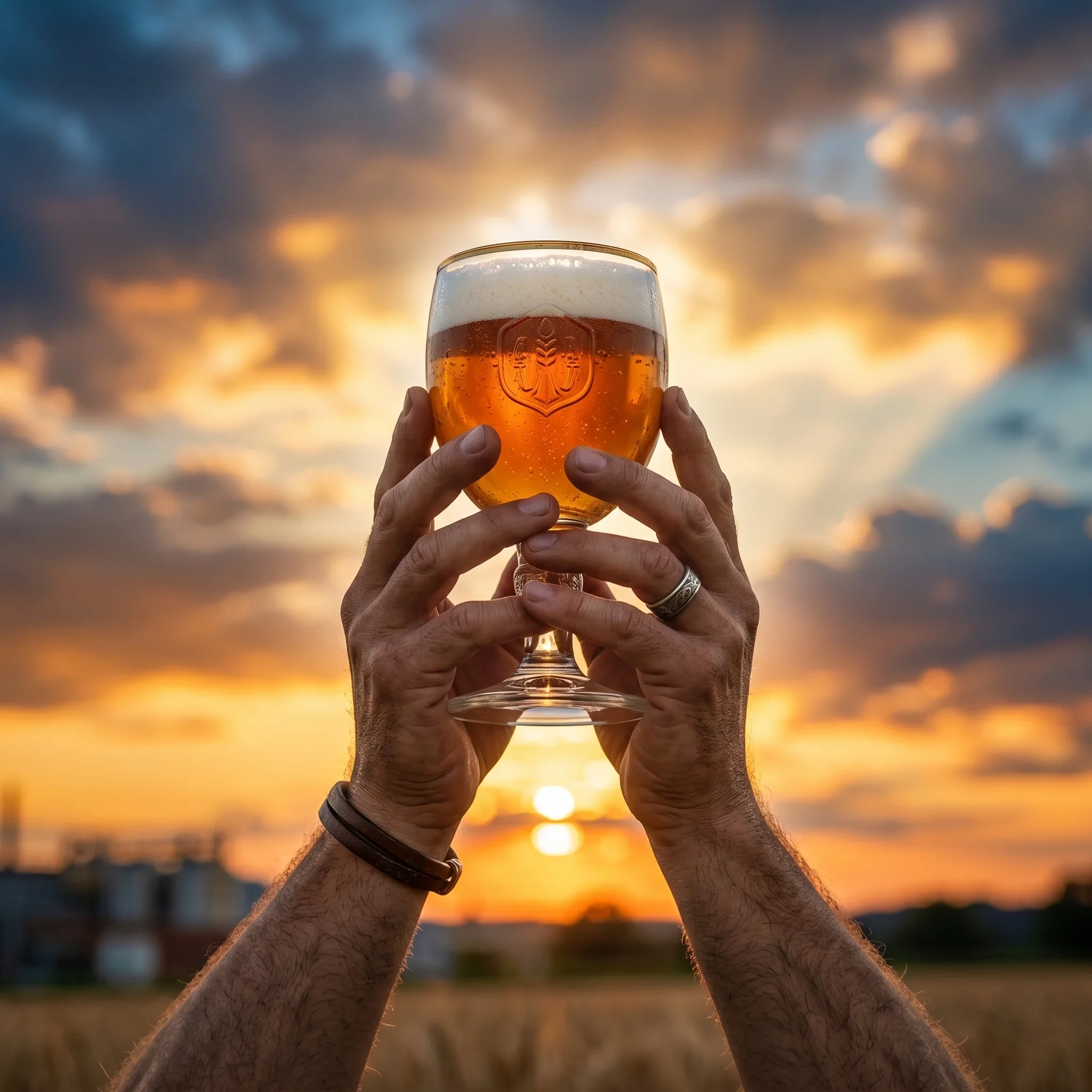

When you hold a glass of Trappist beer in your hand, you hold a piece of rich history, a sacred tradition that stretches back centuries. Delving into the story of Trappist beer, we will discover a magical journey from ancient monasteries to every glass of beer today.
The Mystery of the Name “Trappist”
The name “Trappist” comes from Roman Catholic Christianity and is closely associated with the Cistercian group of monasteries, which have been passionate about brewing beer since the 17th century. Exploring the past, we see that brewing beer was not only a way to be self-sufficient but also an art form expressing faith and gratitude.
The Rules Behind the Brand
Not just any beer can call itself “Trappist”. To be awarded this title, a beer must meet the following criteria:
- The “Church Incubation” Principle:Only beer produced by monks and within the monastery grounds is considered Trappist beer.
- Charity activities: All profits from the sale of beer are used to maintain the monastery and support the poor.
- Quality comes first: Trappist beer must ensure a maximum quality standard, not stopping at the raw materials but also in the production process.
Trappist Beer Map: Cultural Diversity and Flavor
Although originating in France, Trappist beer has spread throughout the world, especially Belgium - considered the "capital" of Trappist beer with monasteries such as Chimay, Westveleen and Rochefort. Each country, from the Netherlands to the United States, from Austria to Italy, offers a unique flavor, but all maintain the traditional Trappist spirit.
- Belgium: The country is home to many legendary monasteries such as Westvleteren, Chimay, and Rochefort. Each monastery has its own unique flavor, reflecting its culture and history.
- Netherlands:With monasteries like La Trappe and Zundert, the Netherlands have proven that they can also make classy Trappist beers.
- America, South Africa, and Australia:These countries, although far from Europe, have also succeeded in combining Trappist traditions with local cultures, creating unique combinations.
The Art of Drinking and Enjoying
Trappist beer is more than just a drink. It is a combination of subtle flavors, long lasting taste and tradition. For many, enjoying Trappist beer is a ritual, starting with choosing the right glass, pouring the beer and feeling every breath.
The Influence of Trappist Beer on World Culture
More than just a beverage, Trappist beer is also a cultural, historical and spiritual symbol. With the combination of brewing art and spiritual beliefs, Trappist beer has become an indispensable part of the culture of many countries. It has helped strengthen the relationship between cultures, creating new and unique experiences for the drinkers.
Conclude
Each glass of Trappist beer is not only a combination of water, malt, hops and yeast, but also a respect for the tradition, history and pride of the monastery. This has made it a part of world culture, attracting beer lovers to seek out traditional and refined values.