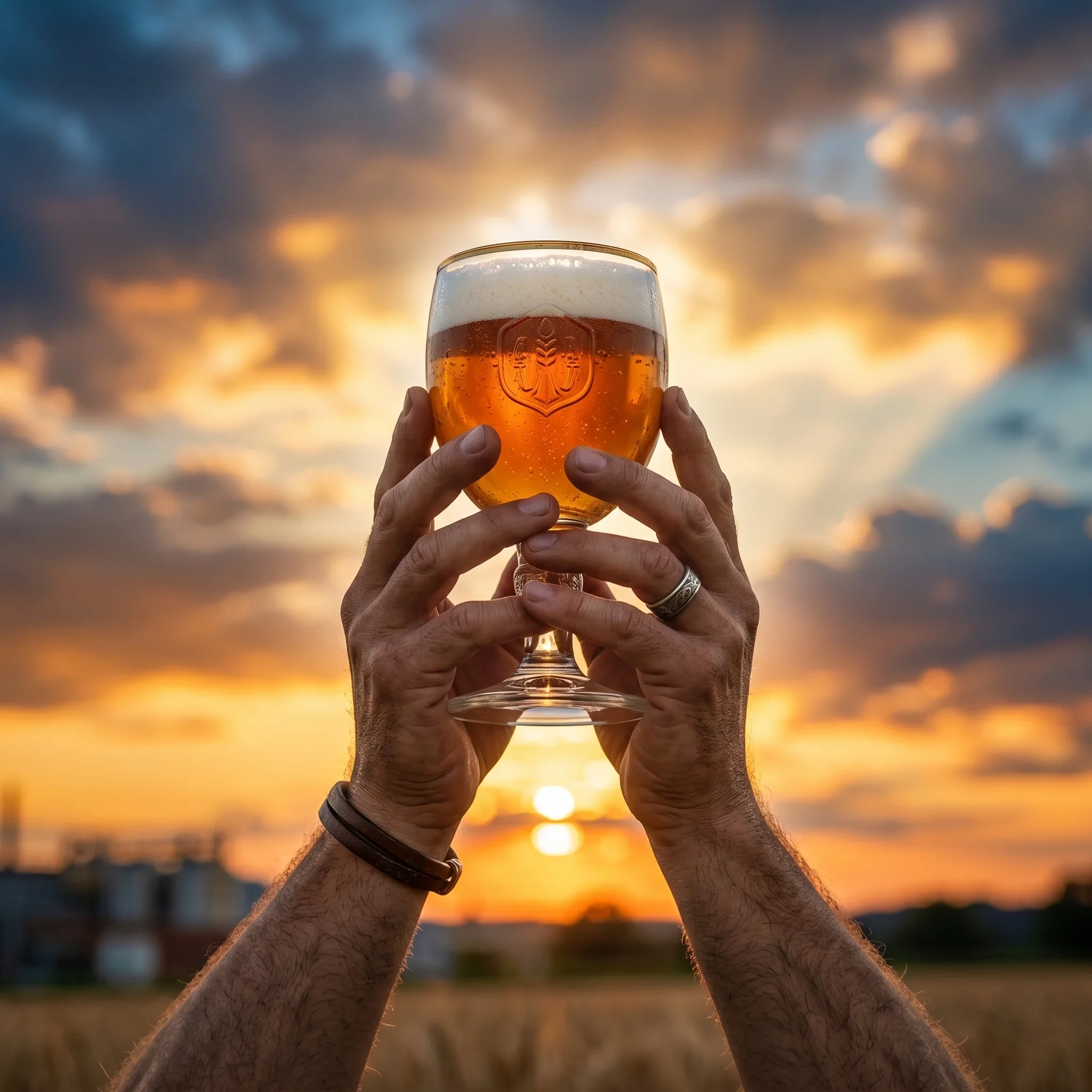
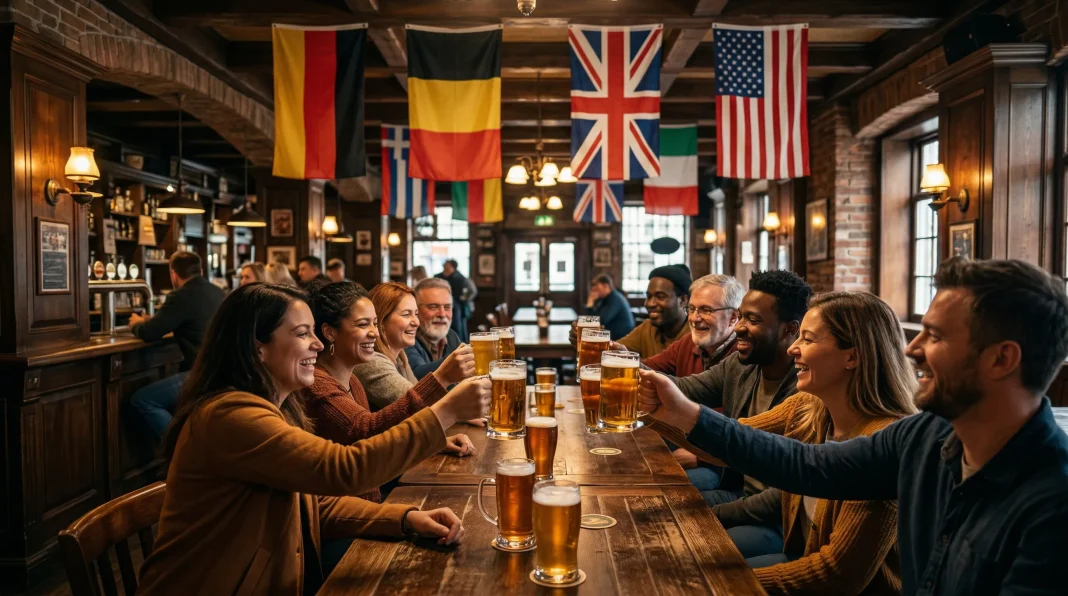
Beer is more than just a drink. In many parts of the world, beer is a part of everyday life, a part of festivals, meals, conversations, and even history.
A glass of beer may seem simple when placed on a table. But behind it, there's sometimes a long story: the story of the climate, of agriculture, of local ingredients, of eating habits, and of how people create spaces to meet each other.
Therefore, when we say beer is culture, it's not just a figurative meaning. In many countries, beer is truly a part of local identity. It reflects how people live, how they eat, how they celebrate, and even how they gather together at the end of the day.
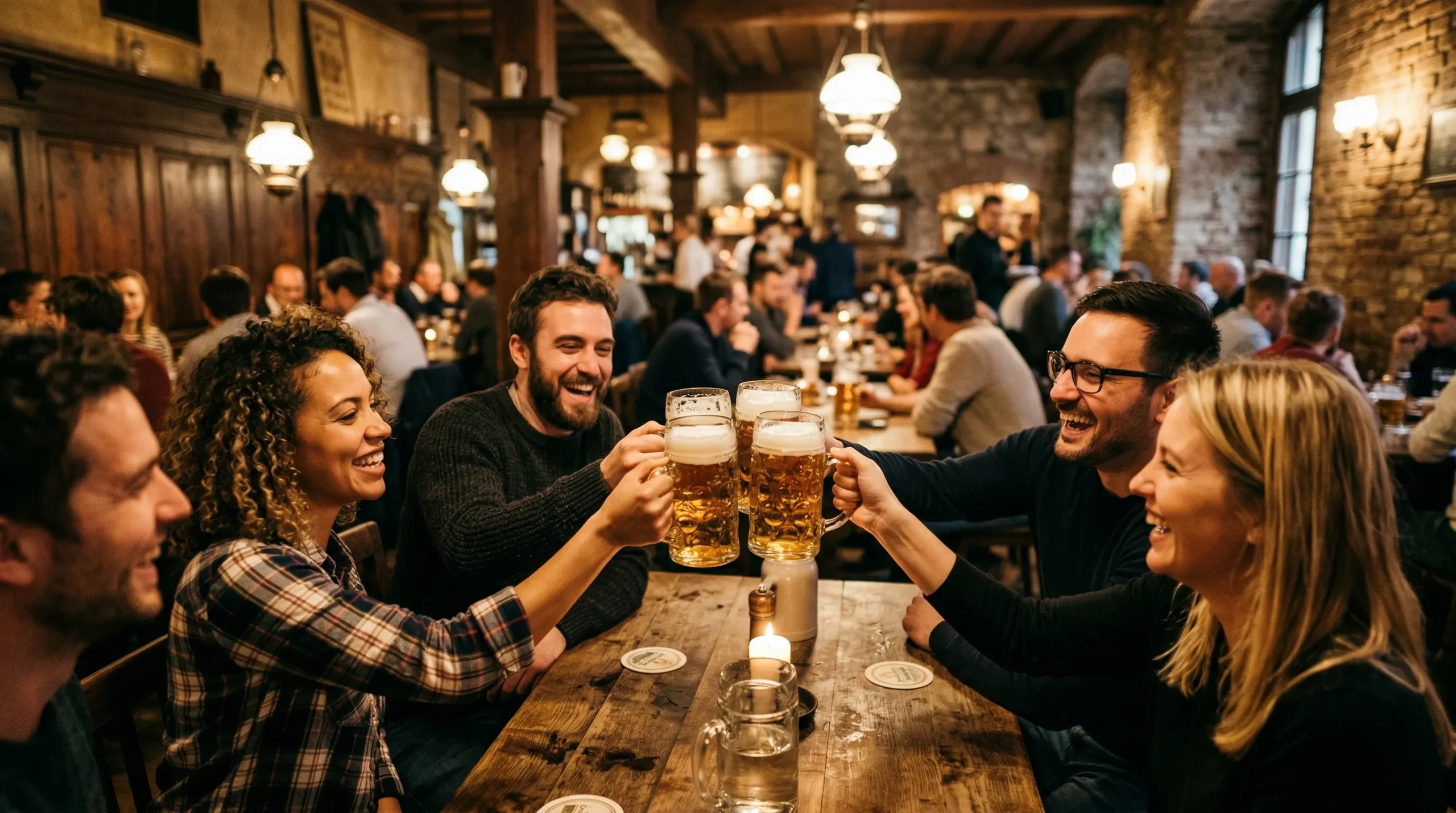
This article is part of TapChiBeer's "Beer Appreciation" series — where we explore how to savor beer slowly and subtly.
If you want to start with an overview, check out the main page: 👉 Here
I. Introduction: A glass of beer is more than just a taste.
When first learning about beer, many people tend to focus on the most obvious things: color, bitterness, aroma, or alcohol content. These are very important, because beer is, first and foremost, a taste experience.
But the deeper one delves, the more one realizes that beer isn't just made from malt, hops, water, and yeast. It's also made from the place where it's born.
While both are beer, in Germany it evokes the atmosphere of long tables at festivals. In Belgium, it brings to mind small pubs, distinctive glasses, and recipes passed down through generations. And in England, beer is associated with pubs, with laughter and conversation, and the warm feeling of a familiar space after a long day.
Therefore, to understand beer more fully, sometimes we need to look at it as a part of culture, not just as a beverage.
II. Beer and the festive atmosphere in Germany
When it comes to beer in cultural life, Germany is almost always one of the first names that comes to mind. It's no coincidence that images of large beer glasses, traditional costumes, and lively festivals have become familiar symbols in the minds of many beer lovers.
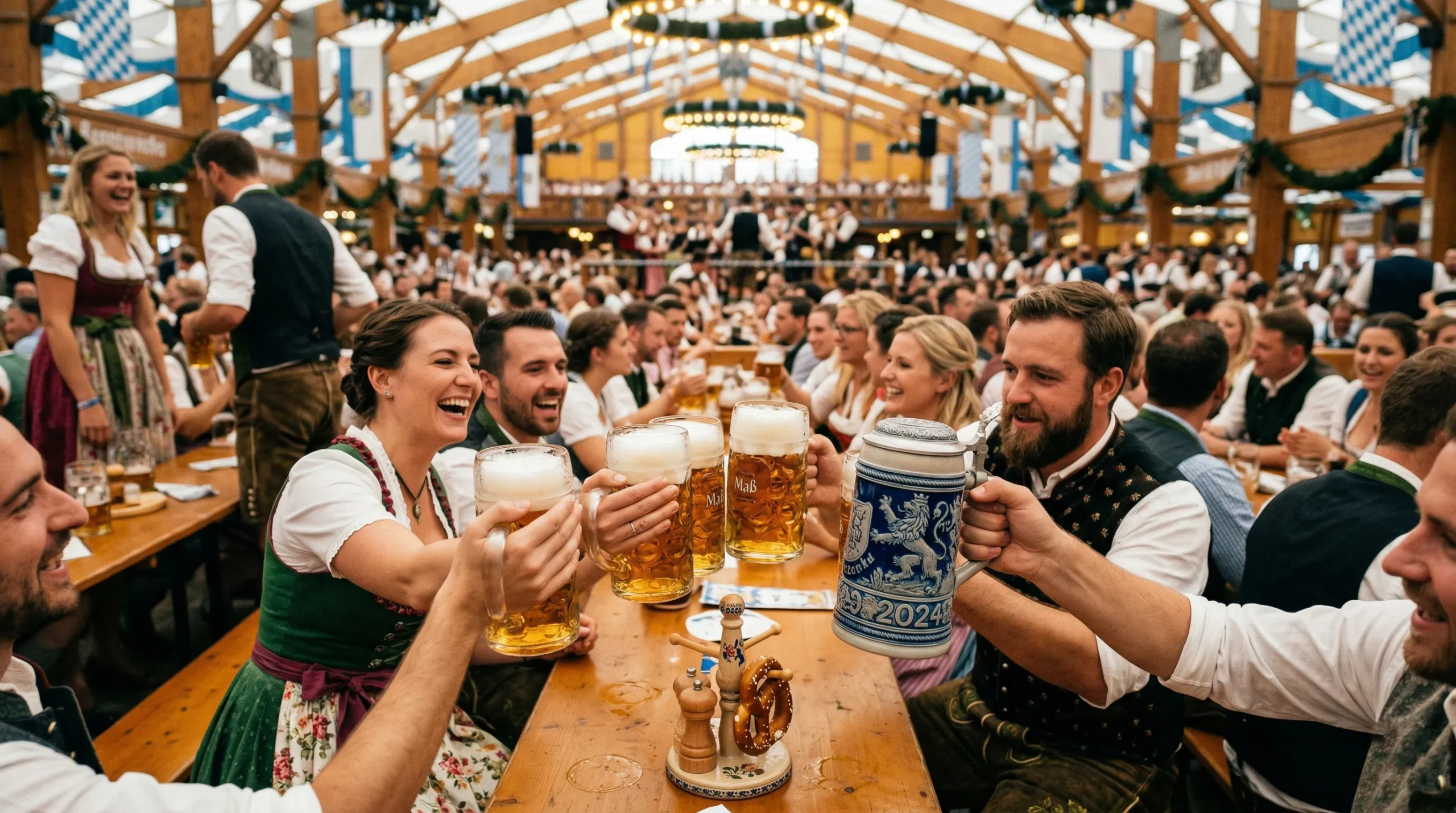
In Germany, beer isn't just present at meals or in bars. It's also present at community gatherings. It's associated with wide squares, music, long tables, and clinking glasses between strangers who can easily sit together.
That image is most clearly seen in the atmosphere of Oktoberfest. For many people, Oktoberfest is more than just a beer festival. It's a festival of meeting. People go there not just to drink, but to immerse themselves in the community atmosphere, the music, the traditional food, and a long-standing tradition.
It's noteworthy that in this context, beer doesn't feel overly ostentatious. It's present very naturally, as if it's already part of the rhythm of life. Beer becomes the center of a collective experience, where people share joy, sit together, and raise a glass.
It's a very special kind of culture. There, beer is not only enjoyed with the taste buds, but also felt through the surrounding atmosphere.
III. In Belgium, beer is close to an art form.
While in Germany, beer evokes strong feelings of festival-like atmosphere and community, in Belgium, it often carries a more refined sense, closer to a cherished and preserved craft art.
In Belgium, it's clear that beer isn't just for quick drinking. Beer is served in glasses that suit each style. Aroma is considered. The pouring technique is important. The way it's enjoyed is also taken into account.
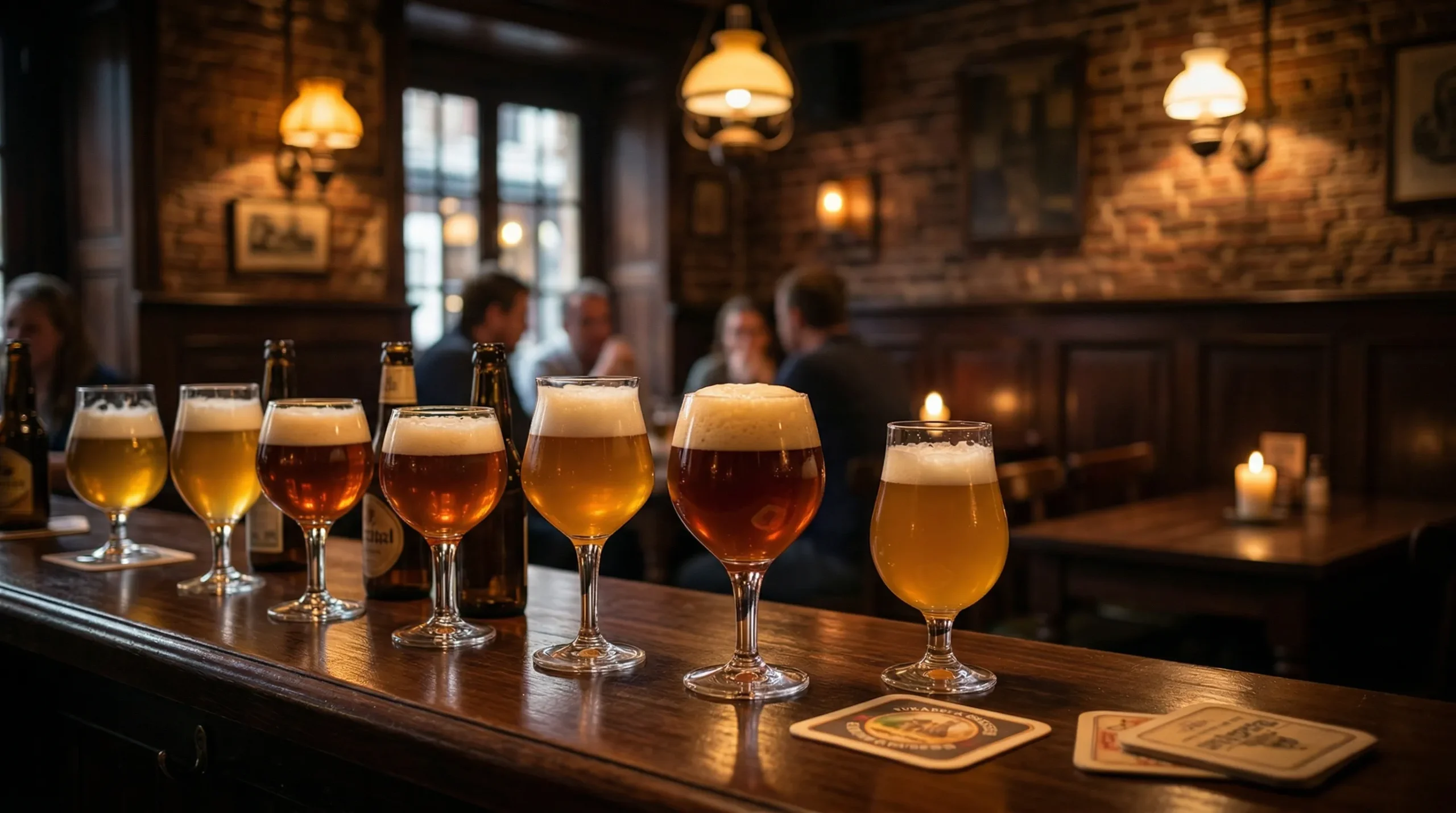
Each type of beer seems to have its own personality. Some are light and lively. Some are rich, complex, and layered with flavors. Others carry very distinctive fruity, spicy, or yeast notes. This makes enjoying beer in Belgium feel closer to exploring a deeper world of flavors than just drinking for pleasure.
In this context, beer is associated with the concepts of craftsmanship and tradition. Many recipes have been passed down through time. Many beer styles exist not only because of market demand, but also because they are linked to the history of a region, a community, or a brewing method that has been preserved for a very long time.
That's what gives Belgian beer its unique beauty. It's not loud, but very profound. One can sit longer with a glass of beer, paying more attention to the aroma, taste, and aftertaste, and feeling that they are savoring something that has traveled a long distance before reaching their hands.
IV. Beer and pub culture in England
While Germany evokes festivals and Belgium art, England presents a different image: beer as a part of everyday life in pub settings.
Pubs in England are more than just places to drink. They're places to meet. Places people drop by after work. Places where friends gather. Places where the most ordinary stories of the day are told in the warm light and amidst the chatter of others.
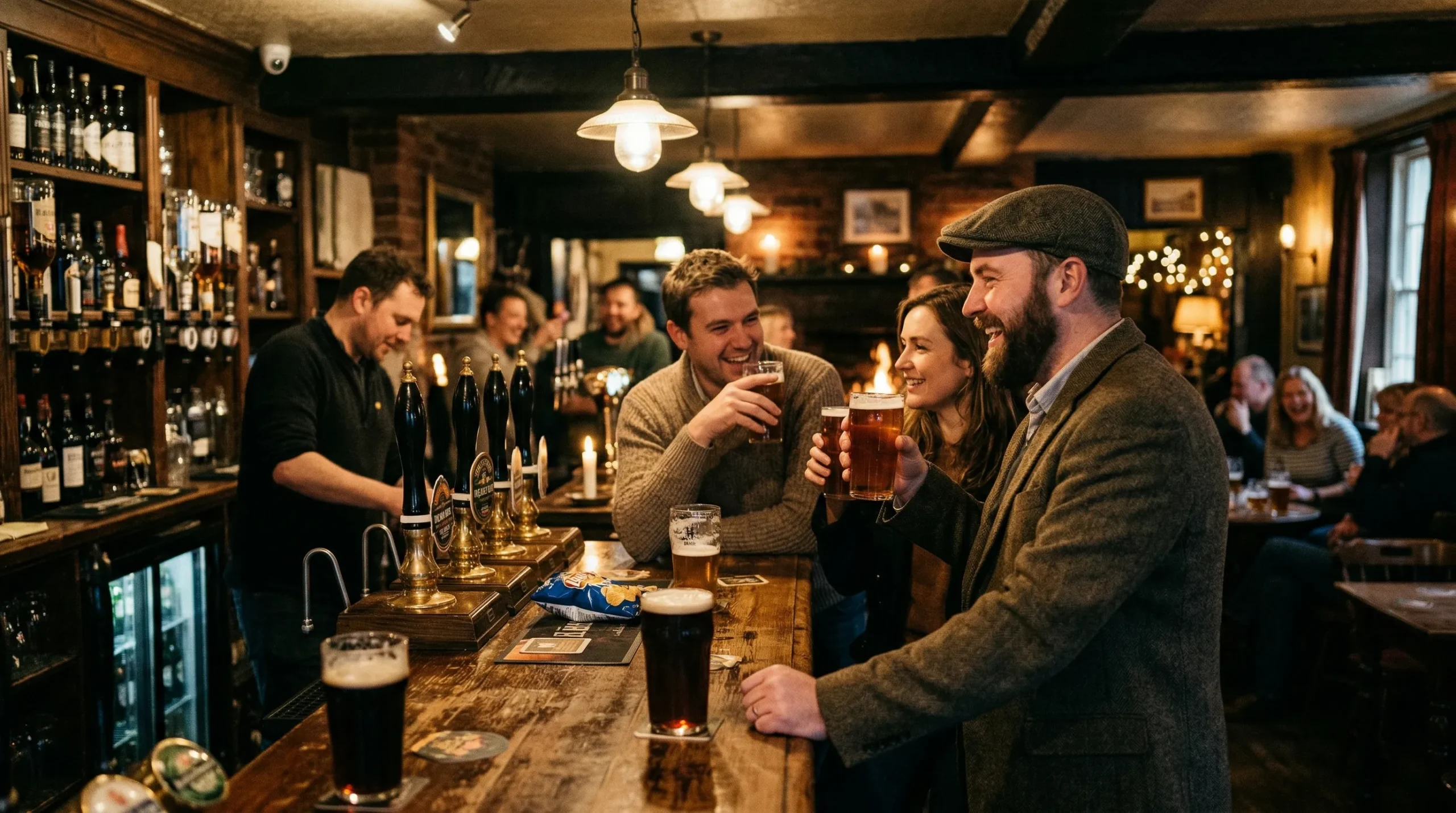
It is in that setting that beer becomes a very natural element of life. It doesn't need to be elevated to a grand ritual. It simply needs to be there, in the right place, at the right time.
What makes pub culture special is the sense of familiarity. A good pub isn't overly fancy. It makes people feel comfortable walking in, sitting down, and starting a conversation. And in that atmosphere, a glass of beer becomes a very gentle bridge between people.
Perhaps that's why in England, beer is more than just a drink. It's part of social life. It's in how people end their day, in their weekend routines, in the feeling of belonging to a familiar space.
Beer reflects the lifestyle of each place.
What's interesting about looking at beer from a cultural perspective is that we begin to see that each region imbues its beer with a part of its character.
Some places view beer as part of the community. Some see it as a craft to be cherished. And still others see it as a natural part of everyday life.
This explains why beer is never just about the recipe. Two beers may use the same malt and hops, but the sensations they deliver will still be very different if they are placed in two different cultural contexts.
A glass of beer drunk at a festival will feel different from a glass of beer drunk in a small pub on a rainy evening. A glass of beer that tells a story of tradition will also leave a different impression than a glass of beer that is simply seen as a cold drink.
In other words, culture doesn't change the ingredients of beer, but it changes how people perceive it.
VI. Why Understanding Culture Helps Us Enjoy Beer Better
When we begin to understand beer in relation to culture, our way of enjoying it changes. We no longer just ask how bitter, aromatic, or strong a beer is. We begin to ask ourselves: Where did this beer come from? In what context did this style originate? Why do people drink it that way?.
These questions make drinking beer a deeper experience. A glass of beer is no longer a separate experience. It has roots, context, and a story behind it.
And knowing that, we tend to drink more slowly. Pay more attention. Be more curious. We see beer not just as something to quench our thirst, but as a small part of human life distilled in a glass.
That's also why many people, after learning about beer for a while, begin to respect it in a different way. Not because beer needs to be deified, but because they realize that behind every glass of beer lies a lot of effort, a lot of time, and many layers of culture.
Conclusion: Beer tells the story of people.
Ultimately, what makes beer special probably isn't just its aroma or taste. What has allowed beer to endure in people's lives is its ability to connect.
Beer is present at festivals, in pubs, at meals, in conversations, and in those moments when people want to sit closer together. It is in those moments that beer becomes culture.
A glass of beer can carry the aroma of hops, the taste of malt, and a lingering aftertaste. But sometimes, it carries something else: a sense of place, of community, and of stories passed down through generations.
So, when we say beer is culture, it's not just a nice statement. It's a way of reminding everyone that each glass of beer is always bigger than itself.
If you want to understand Beer in more depth, keep exploring the articles in this series 👉 Beer Rewards. From tasting beer and choosing the right glass to pairing it with food, it all starts with one simple thing: drink slowly to savor the experience.