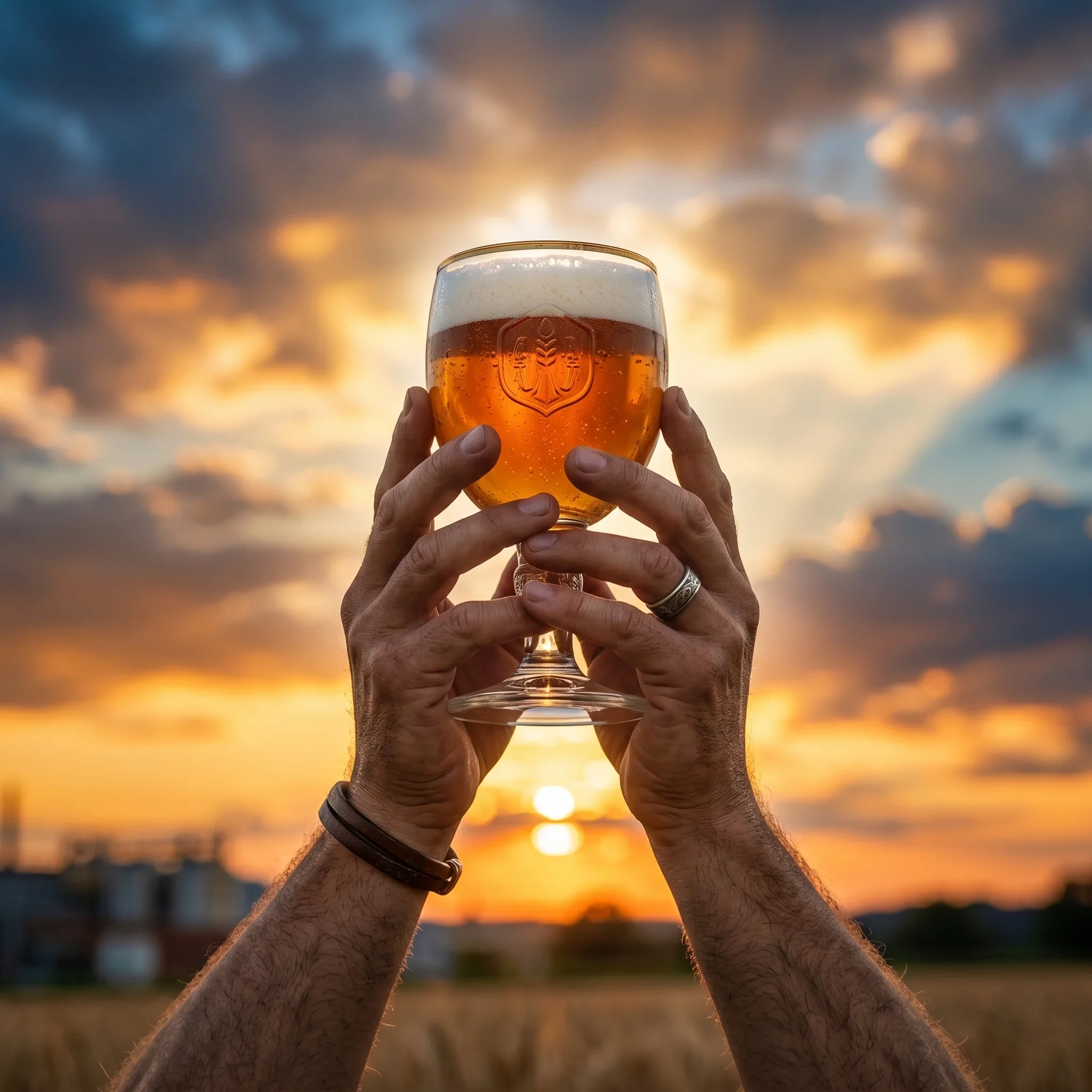
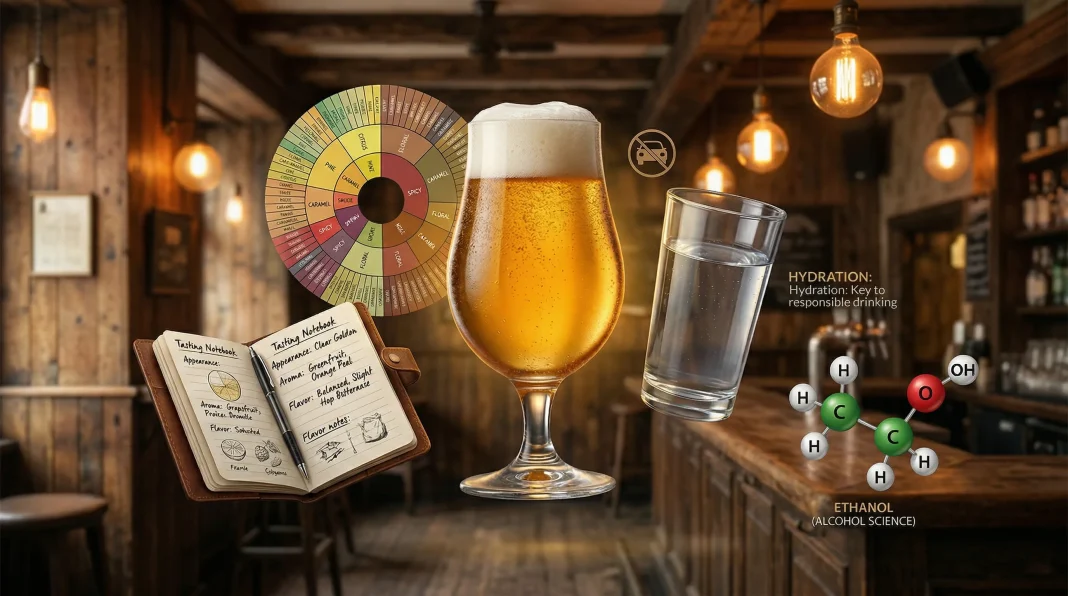
Enjoying beer isn't just about the taste, but also about how we enjoy it. A glass of beer tastes best when drunk with sobriety and moderation. When drunk properly, beer can be part of social gatherings, meals, and enjoyable cultural experiences. But when drunk excessively, it can have negative effects.
Therefore, in many long-standing beer cultures, the concept drinking responsibly – Drinking responsibly – is always emphasized. This is not only about social etiquette, but also based on a scientific understanding of how the human body processes alcohol.
This article is part of TapChiBeer's "Beer Appreciation" series — where we explore how to savor beer slowly and subtly.
If you want to start with an overview, check out the main page: 👉 Here
I. How does alcohol affect the body?
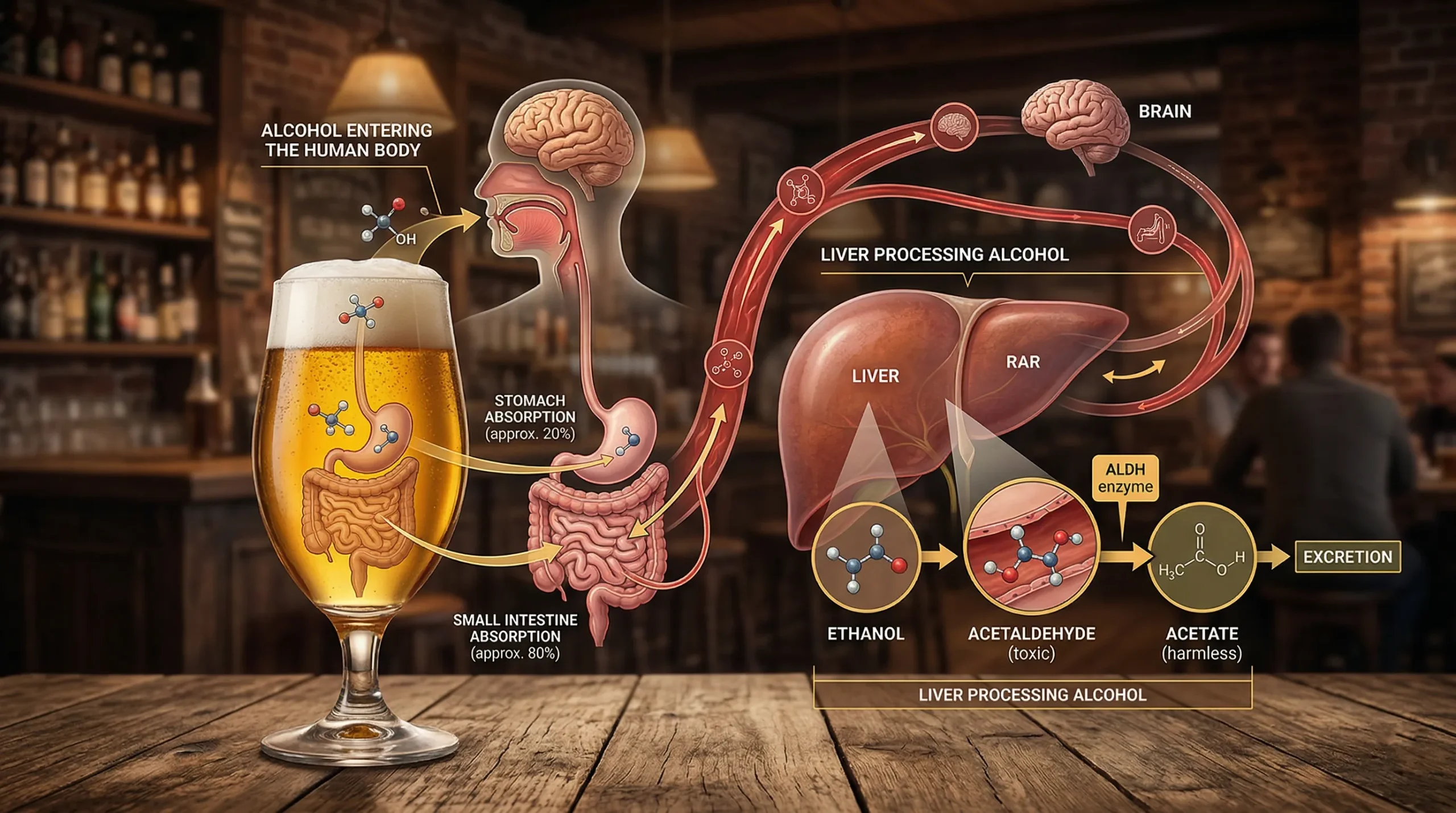
The alcohol component in beer is ethanol – a compound that can quickly enter the bloodstream after consumption. When beer is drunk, ethanol is absorbed through the lining of the stomach and small intestine, then enters the circulatory system and spreads throughout the body.
The liver is the primary organ responsible for metabolizing alcohol. On average, the human body can only process about one unit of alcohol per hour. This means that if you drink faster than your liver can metabolize it, the amount of alcohol in your blood will increase.
Blood alcohol concentration is typically measured using the BAC (Blood Alcohol Concentration) index. As BAC increases, central nervous system functions begin to be affected, including reflexes, judgment, and motor coordination.
Therefore, even when a person feels they are still conscious, their reaction time can be significantly reduced.
II. Understanding your own limitations

Everyone has a different tolerance for alcohol. Weight, gender, amount of food in the stomach, drinking speed, and even genetic factors all influence how the body reacts to beer.
For example, when drinking the same amount of beer, a 90 kg person may have a significantly lower BAC than a 60 kg person. Additionally, drinking beer on an empty stomach often leads to faster alcohol absorption, causing BAC levels to rise more quickly.
Health organizations in many countries recommend moderate drinking. According to many public health guidelines, this is typically equivalent to about one to two units of alcohol per day for healthy adults.
For beer with an alcohol content of approximately 51% ABV, one bottle or one pint is typically equivalent to about one unit of alcohol.
III. Drinking slowly helps you appreciate the beer better.
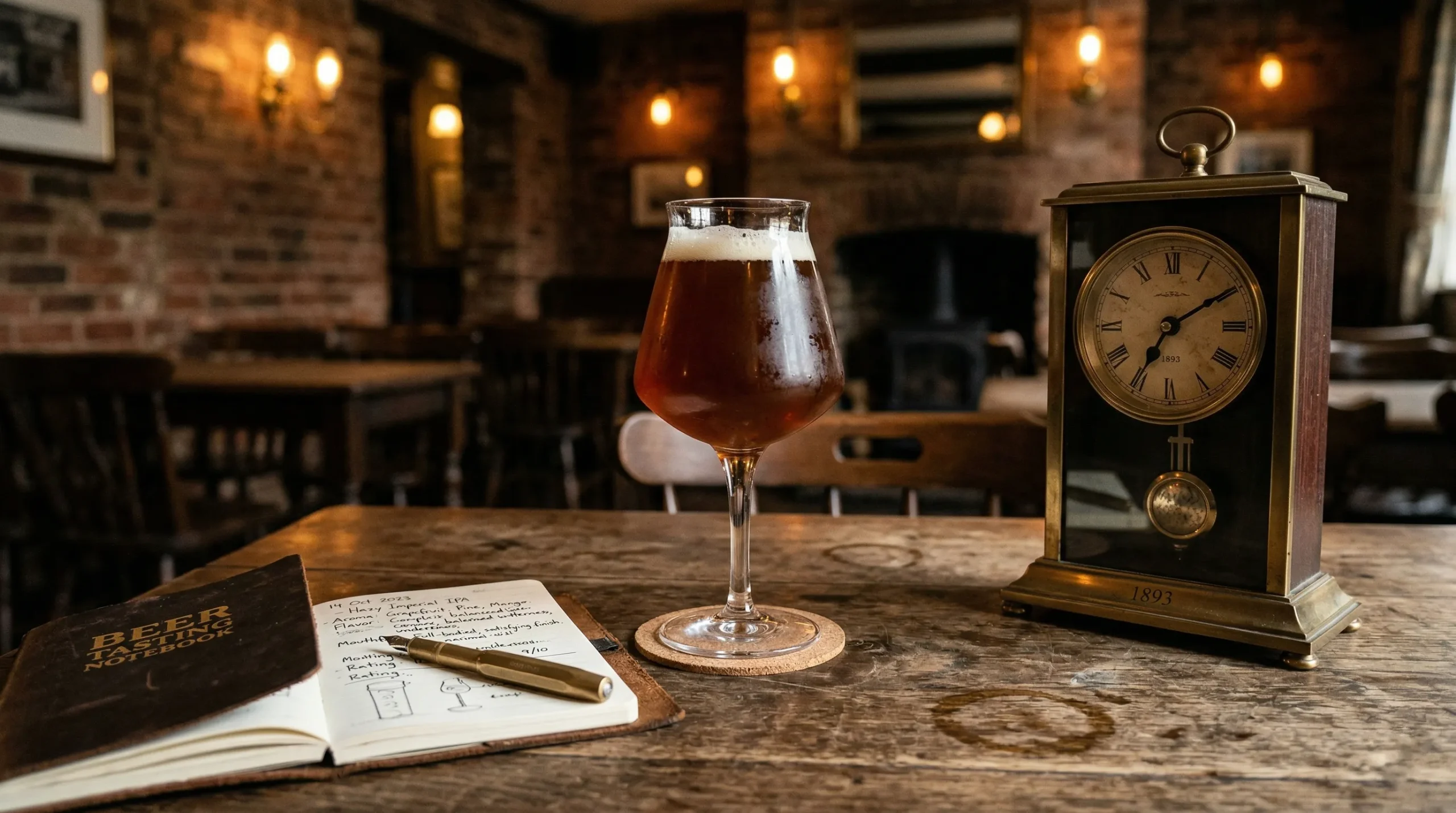
Interestingly, drinking slowly not only helps reduce alcohol absorption but also enhances the beer-drinking experience.
Studies on taste perception show that as blood alcohol levels rise, the sensitivity of taste and olfactory receptors begins to decrease. This makes the subtle layers of flavor in beer harder to discern.
In other words, when we drink too quickly or too much, we actually perceive the beer as less appealing.
That's why, in beer-drinking culture, especially during tastings, beer is usually drunk in small sips. The drinker takes time to smell the aroma, take a sip, and savor the aftertaste before drinking more.
Drinking slowly allows the brain time to process flavor signals and helps the body better control its alcohol intake.
IV. Do not drive after drinking beer.
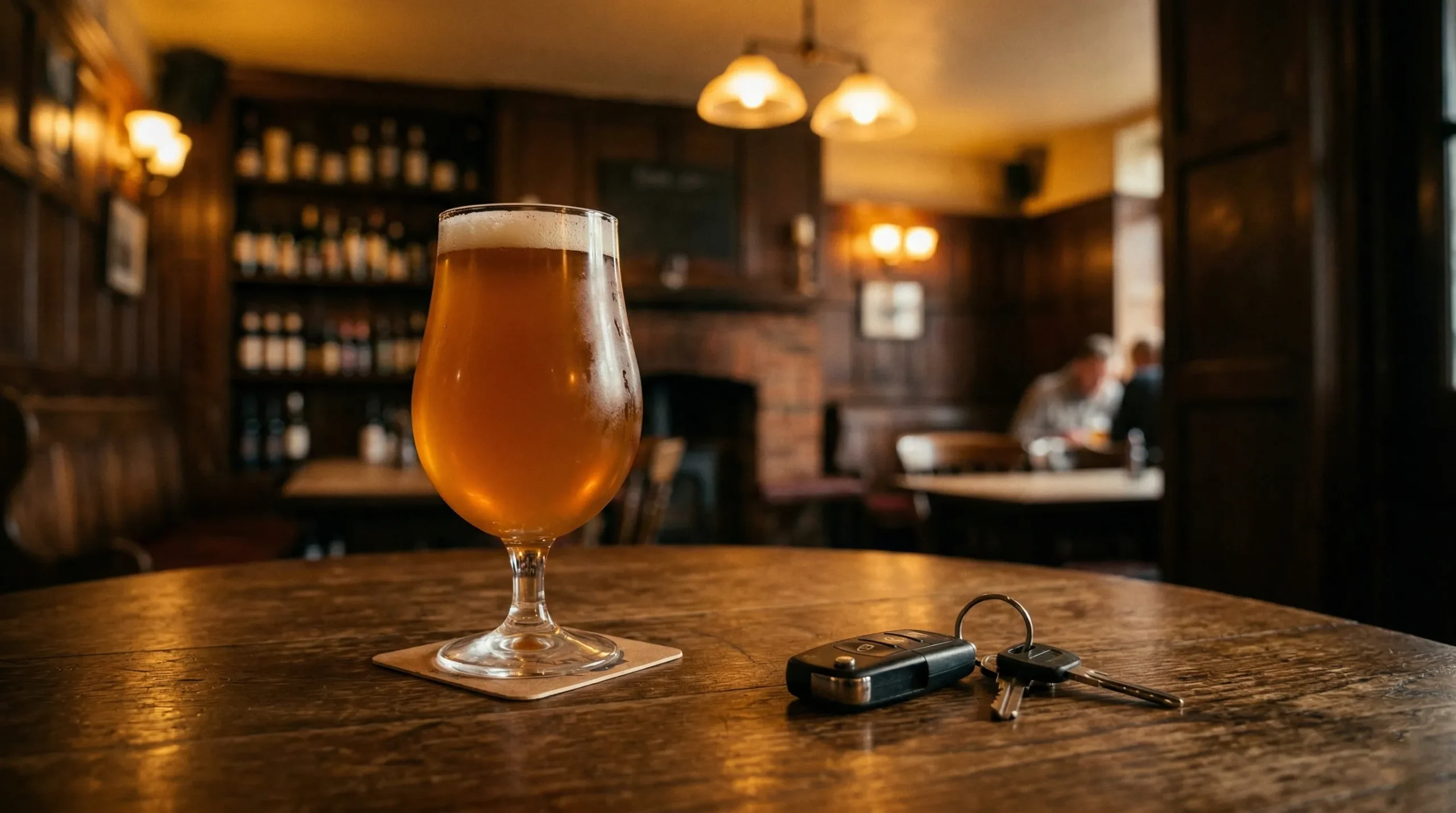
One of the most important principles of responsible drinking is not to drive after drinking alcohol.
Numerous traffic safety studies show that alcohol affects reflexes, concentration, and distance judgment. Even at low BAC levels, the risk of accidents can still increase.
In many countries, laws specify the maximum permissible blood alcohol level (BAC) for driving. However, in practice, the safest approach is still to avoid driving after drinking.
Taxis, public transport, or ride-hailing services now make this much easier.
V. Beer and health: a research perspective
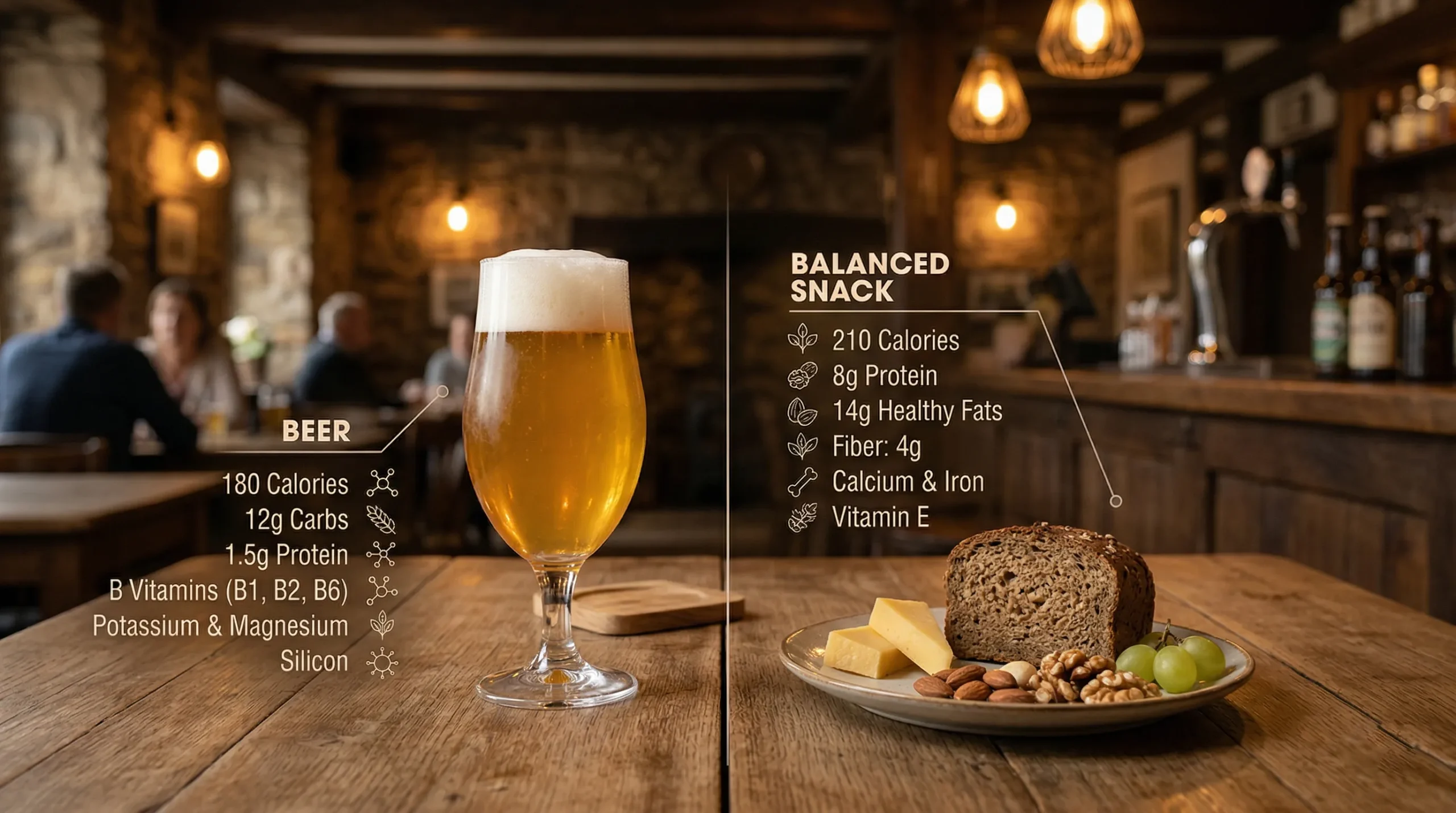
In many nutritional studies, beer – when consumed in moderation – is often considered part of a normal social diet.
Some observational studies suggest that low- to moderate alcohol consumption may be associated with certain cardiovascular benefits. However, scientists also emphasize that these benefits are not sufficient to encourage non-drinkers to start consuming alcohol.
In other words, beer is not a "functional food." The value of beer lies in its cultural and social experience, not in drinking as much as possible.
The most important thing is still balance.
VI. Beer in the culture of enjoyment
In many long-standing beer cultures, responsible drinking is almost part of the tradition. Beer is drunk with meals, with friends, and in communal spaces.
People don't drink to get drunk quickly, but to enjoy the moment. A glass of beer can last throughout a conversation, a dinner, or a gathering.
It is precisely this slow pace that makes beer a highly social drink. It encourages communication, relaxation, and connection between people.
Conclude
Beer can be an enjoyable part of life, culture, and social gatherings. But to keep that experience positive, it's important to drink with sobriety and moderation.
Understanding your limits, drinking slowly, not driving after drinking, and always prioritizing safety – these are simple yet crucial principles.
When enjoyed responsibly, beer is more than just a beverage. It becomes a part of life's memorable moments.
If you want to understand Beer in more depth, keep exploring the articles in this series 👉 Beer Rewards. From tasting beer and choosing the right glass to pairing it with food, it all starts with one simple thing: drink slowly to savor the experience.