
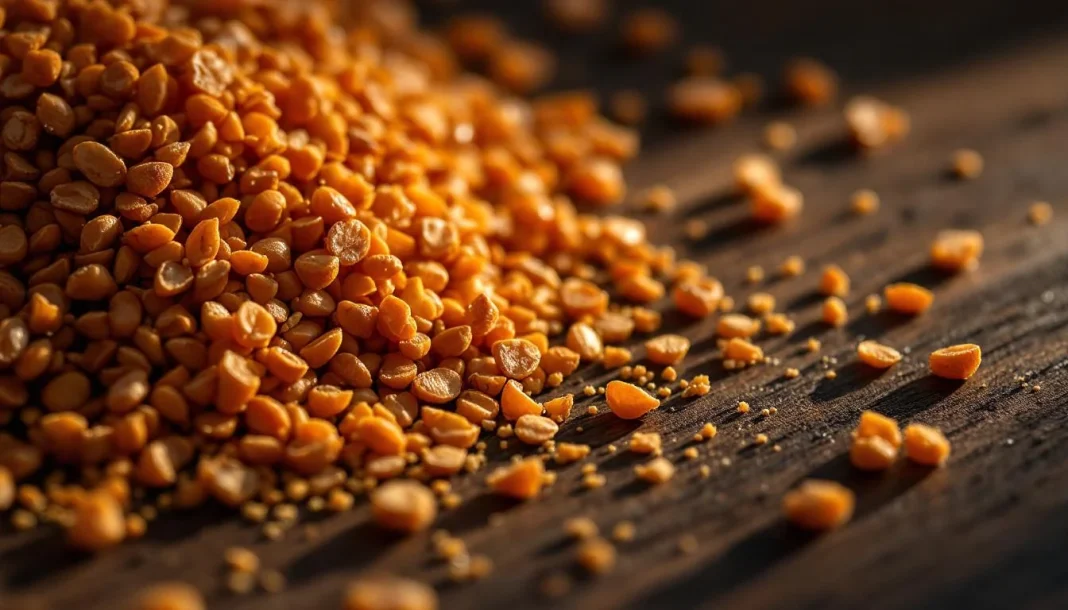
Some malts are born to be the foundation. Some are born to stand out. And then there's Crystal 120 — born to tell a story.
This is one of the darkest crystal malts the beer world knows. Its deep amber color evokes bottles of red wine aged in dark cellars. Its flavors—raisins, ripe plums, burnt sugar—are the kind that only emerge in beers that require time to understand. Not a malt to drink quickly. Not a malt for sunny afternoons.
Origin and history
Crystal malt originated in England in the mid-19th century, a period when malt drying technology was making significant advances. Before that, brewers relied on direct sunlight and fire—resulting in inconsistent batches of malt with fluctuating quality depending on the season.
The advent of the new drum-type drying oven in Burton-on-Trent changed everything. Maltsters realized that if barley grains were soaked to a certain moisture level and then dried at high temperatures in a sealed environment, the starch inside would convert into sugar right in the grain's husk. This process is called "stewing"—and that's the origin of crystal malt.
Crystal 120, with a color index of 120 Lovibond (approximately 315 EBC), belongs to the darkest crystal group. It was developed to meet the needs of Victorian brewers—those seeking complex sweetness and intense color for their Strong Ale, Burton Ale, and later Barleywine.
Long-established British malt mills such as Thomas Fawcett & Sons (founded in 1809 in Castleford, Yorkshire) and Crisp Malt (originating in 1870 in Great Ryburgh, Norfolk) have perfected the technique of producing intensely colored crystals over generations. Simpsons Malt, another name from Berwick-upon-Tweed, has also contributed significantly to standardizing the color levels of crystal malt.
Interestingly, Crystal 120 wasn't always referred to by its number. In early England, it was simply called "dark crystal" or "extra dark crystal." The Lovibond numbering system only became popular when the malt market expanded to America and a common language across continents was needed.
Production process
Crystal 120 starts with two-row barley, like most English malts. After soaking to awaken the grain, the barley is germinated for about 4-5 days. At this point, the process takes a different direction from the malt base.
Instead of drying immediately, green malt grains are placed in a sealed oven at a temperature of approximately 65-68°C for several hours. This is the stewing stage—enzymes in the grain are highly active, converting starch into sugar. At this point, the malt grain resembles a miniature batch of wort inside its pod.
Then, the temperature is gradually raised to 120-150°C. The sugars inside begin to caramelize. With Crystal 120, this process is longer and the temperature is pushed higher than with lighter crystal, creating complex Maillard compounds — these are what give it its characteristic raisin and plum flavors.
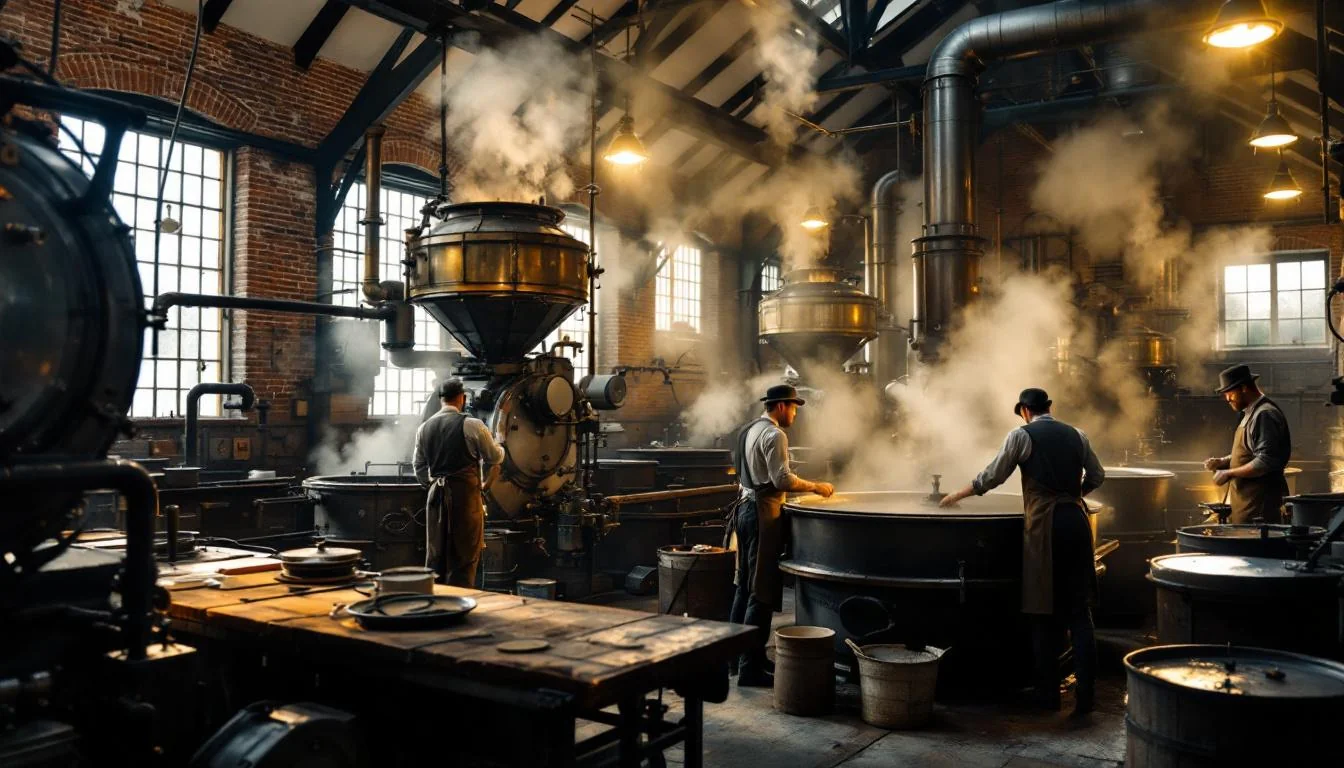
The result is malt grains with a vitrified core, crunchy when bitten, and uniform color from inside to out. This is a sign of crystal malt produced using the correct techniques.
Technical specifications
Crystal 120 has a color index of approximately 110-130 Lovibond, equivalent to 290-340 EBC. This is a deep amber to reddish-brown range — significantly darker than Crystal 60 or 80, but not as dark as Chocolate malt.
The extraction yield of Crystal 120 is lower than that of the malt base, ranging around 74-76% (calculated on a fine grind dry basis). This means it doesn't contribute much to the final alcohol content of the beer. But that's not its purpose.
Most of the sugar in Crystal 120 is unfermentable sugars — primarily dextrin and long-chain sugars that yeast cannot metabolize. This is why it leaves a residual sweetness and a thicker body for the beer.
The protein content is average, around 10-121 TP3T. Moisture content after drying is below 51 TP3T. Diastatic power (the ability to convert starch) is almost zero — this is perfectly normal for crystal malt because the enzymes have been deactivated during the high-temperature drying process.
In terms of dosage, brewers typically use Crystal 120 at a level of 3-10% total malt. Too much malt will make the beer excessively sweet and give it an undesirable burnt taste.
Flavor and color
If Crystal 60 is a subtly sweet caramel and Crystal 80 is a rich, creamy toffee, then Crystal 120 is a quiet, burnt sugar.
The first flavor you taste is raisins — the dark, slightly sticky kind, like those in English Christmas pudding. Next comes ripe plums, not fresh plums, but sun-dried plums, concentrated with sweetness and a hint of tartness.
The caramel in Crystal 120 is no longer the golden caramel of candy. It's caramel that has passed its burn point, carrying a slightly bitter taste of heat-decomposed sugar. Some describe it as similar to burnt sugar or molasses.
In terms of color, Crystal 120 produces a deep amber to reddish-brown hue for the beer. At a dosage of 5-7%, it can bring a pale ale into a distinctly amber color. At higher doses, the beer will take on a mahogany brown color—like polished rosewood.
There's a characteristic that not everyone notices: Crystal 120 leaves a slightly dry finish. While it offers initial sweetness, the subtle bitterness from the burnt sugar balances it out at the end of each sip. This is why it's well-suited to strong beers—those that need sweetness to balance the high alcohol content, but not so overwhelmingly sweet that it's difficult to drink.
The mouthfeel that Crystal 120 contributes is thick and slightly viscous. The beer's body is significantly enhanced by the non-fermentable dextrin.
Typical beer style
Crystal 120 finds its place among beers that demand depth and complexity.
Barleywine This is where Crystal 120 shines brightest. This strong beer, with an alcohol content of 8-12 (1TP 3T ABV), requires a complex malt base to balance the high alcohol and bitter hops. Crystal 120 delivers notes of raisins and ripe plums—flavors reminiscent of sherry or port wine, perfectly fitting its name "wine from barley."“
Old Ale, the quieter sibling of Barleywine, also uses Crystal 120. This is a traditional English beer, typically aged for a long time and boasting a rich, malty sweetness. Crystal 120 adds layers of raisin and burnt caramel, enhancing the depth of these beers designed to age in cellars for many years.
Double Bock, German strong beers sometimes use Crystal 120 — though not traditionally. Some American craft brewers have added bold crystal to their recipes to create a more complex raisin flavor than standard malt melanoidin.
Some Belgian Dark Strong Ale Quadrupel can also use Crystal 120 as a supplementary ingredient, although traditional Belgian brewers often prefer candied sugar. When combined correctly, Crystal 120 adds dried fruit flavor without overpowering the characteristic ester of Belgian yeast.
Comparison with malts in the same group
Within the crystal malt family, Crystal 120 stands in the boldest range, along with Crystal 150 and Crystal 160. The difference between them lies in the degree of caramelization and the accompanying flavors.
Compared to Crystal 60, Crystal 120 is twice as intense in color and far more complex in flavor. Crystal 60 offers a sweet, honey-like caramel. Crystal 120 is made with burnt sugar and dried fruit. These are not interchangeable in recipes.
Crystal 80 sits in the middle—toffee, butterscotch, a hint of raisins. If Crystal 60 is youthful and Crystal 120 is mellow, then Crystal 80 is middle-aged—balanced between delicate sweetness and complexity.
Compared to the Belgian Special B—another full-bodied crystal—Crystal 120 has less of a "jammy" plum flavor. Special B tends to be sweeter, almost to the point of being syrupy, while Crystal 120 maintains a drier finish. If you need an English raisin flavor, choose Crystal 120. If you need a Belgian plum flavor, choose Special B.
Another option is Weyermann's Caramunich III — also in a similar color range. However, Caramunich III has a more pronounced Munich malt flavor, with notes of toasted bread and hazelnut. The British Crystal 120 is purer in its burnt caramel and dried fruit notes.
How to recognize when enjoying it
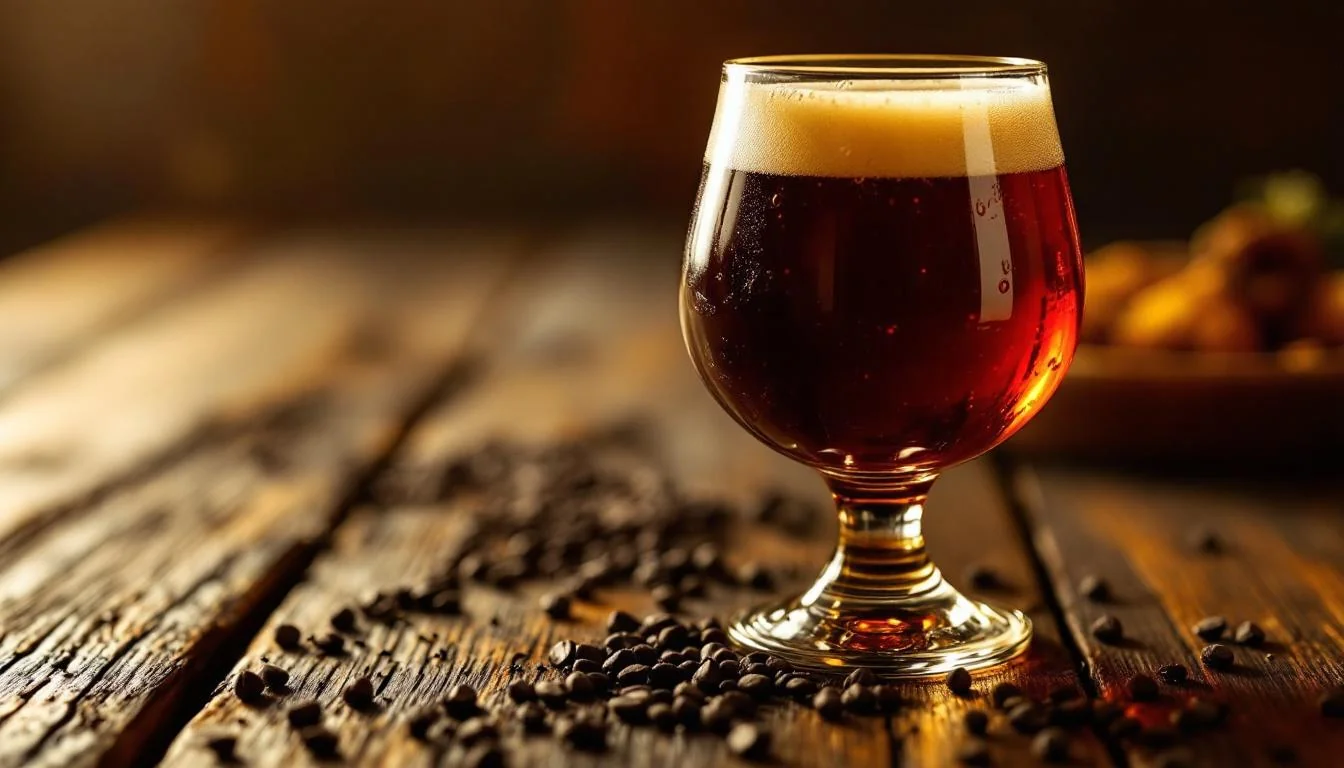
When holding a glass of Barleywine or Old Ale, pay attention to the color first. If the beer has a deep amber color with a reddish tint when swirled under light, it's very likely a Crystal 120.
The initial aroma is usually rich caramel — not sweet caramel, but slightly burnt caramel. If you detect notes of raisins or dried plums, that's a sign of a rich crystal like Crystal 120.
When drinking, pay attention to the initial sweetness. Crystal 120 will deliver a wave of sweetness in the mid-palate, but then a slightly dry, subtly bitter finish. That's burnt sugar—the signature of the darkest crystal malts.
The body of the beer is also a clue. Crystal 120 leaves a thick, slightly viscous mouthfeel. If your Barleywine feels thin despite its high alcohol content, the brewer may have skipped the bold crystal.
Finally, let the beer warm up in your hands. Crystal 120 reveals its best flavors at cellar temperature—around 12-14°C. Too cold will mask the raisin and plum notes.
Beers made with Crystal 120 are not meant to be drunk quickly. They require time—for the beer to open, for the drinker to savor it. Perhaps that's also the lesson this malt wants to convey: some things in life need to be caramelized slowly to develop a deep sweetness.