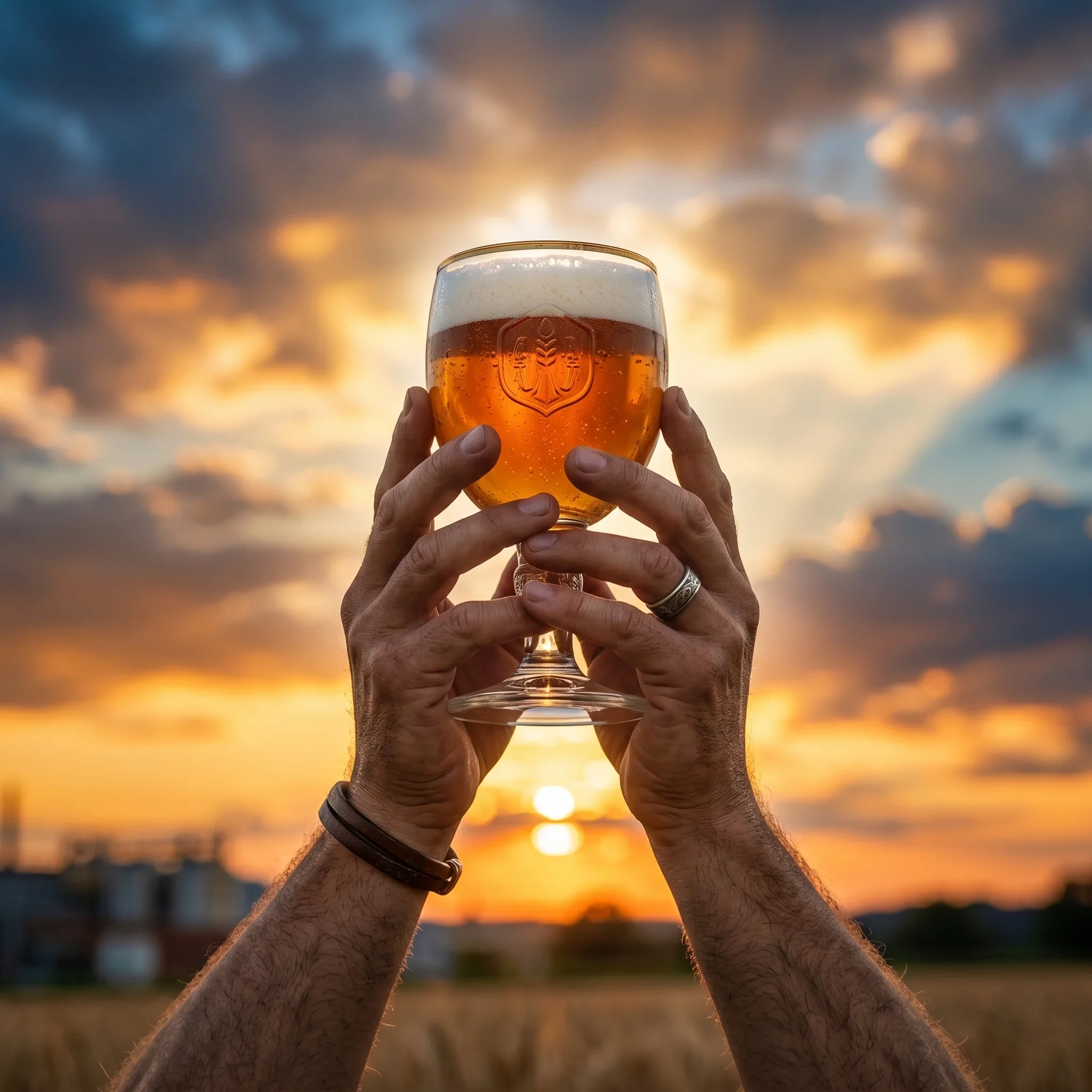
In the world of malt whisky, some types serve as the foundation, while others create a focal point. Crystal 60 belongs to the latter group—but it's an indispensable focal point. It's the familiar caramel flavor in an amber ale on an autumn afternoon, the warm amber hue of a bottle of Porter on a winter night.
Born in sunny California, Crystal 60 has become an icon of American brewing style. Not too sweet like its darker counterparts, not too bland like the lighter versions — it finds the perfect balance between sweetness and complexity.
Origin and history
Crystal malt—or caramel malt in traditional English terminology—has a history dating back to the 19th century in British malt mills. But Crystal 60, with its specific technical definition according to Lovibond standards, is a product of the modern American malt industry.
In the 1960s and 1970s, as American malt distilleries began developing the Lovibond color grading system, Crystal 60 emerged as an industry standard. The number 60 indicated the color — dark enough to create a distinct amber hue, yet light enough not to overpower the overall flavor.
Briess Malt & Ingredients Company, based in Chilton, Wisconsin, is one of the pioneering producers. Founded in 1876, Briess helped shape the standard for American Crystal malt. Great Western Malting in Vancouver, Washington, and Rahr Malting Company in Shakopee, Minnesota, followed suit with their own versions of Crystal 60.
The American craft beer revolution of the 1980s brought Crystal 60 to the forefront. Sierra Nevada Brewing Company, when launching its legendary Pale Ale in 1980, used Crystal malt as an indispensable ingredient. Since then, virtually every American craft brewer has considered Crystal 60 a staple in their stock.
Today, Crystal 60 is produced in many countries, but the American version still holds a special place. Double-row barley from the Pacific Northwest region—Washington, Oregon, Idaho—provides a clean, subtly sweet flavor that European versions can hardly match.
Production process
Crystal malt doesn't follow the conventional path. Instead of drying after germination, the barley grains undergo a "stewing" process—a special step that gives it its unique character.
Two-row barley is soaked and germinated as usual. When the grains reach a moisture content of approximately 45%, instead of drying them immediately, they are placed in a sealed oven at 65-68°C for several hours. This is the temperature range for saccharification—enzymes in the grain convert starch into sugar right inside the grain's husk.
After the stewing stage, the temperature is raised to 120-150°C. The sugar in the beans caramelizes, creating the characteristic color and flavor. With Crystal 60, the temperature and time are controlled to achieve exactly 60 degrees Lovibond — no more, no less.
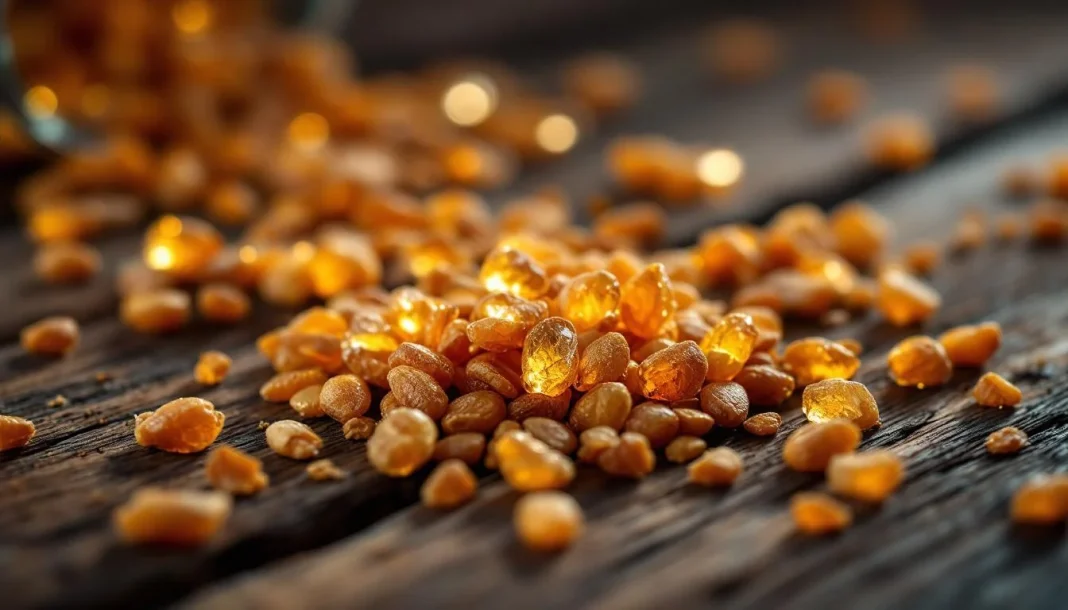
The result is malted barley grains with a transparent, glass-like interior—hence the name "crystal." When bitten, the sweet caramel flavor spreads instantly, requiring no further cooking or extraction.
Technical specifications
Crystal 60 has a color rating of 60 Lovibond, equivalent to approximately 118-138 EBC in the European measurement system. This is a deep amber color—enough to give the beer a distinct reddish-orange hue, but not quite the dark brown of darker versions like Crystal 80 or Crystal 120.
The refractive index of Crystal 60 ranges from 73-77% fine grind dry basis, lower than the base malt but perfectly normal for a specialty malt. It's worth noting that most of the sugars in Crystal malt are in a non-fermentable form — they contribute to the body and remaining sweetness of the finished beer, not to the alcohol content.
The protein content is typically in the range of 10-12%, not too high to cause cloudiness or affect head retention. The moisture content after heat treatment is maintained at 3-5%, ensuring long-term preservation without loss of flavor.
In brewing recipes, Crystal 60 typically accounts for 3-15% of the total malt, depending on the beer style and the brewer's preference. For Amber Ale, a ratio of 8-10% is common. For beers requiring more body, this can be increased to 12-15%.
Flavor and color
Crystal 60 doesn't shout. It tells a story through subtle layers of flavor, gradually emerging with each sip.
The dominant note is caramel — not burnt caramel or milk caramel, but the classic caramel of butterscotch candy. There's something nostalgic about this scent, like winter afternoons by the fireplace, like the smell of brown sugar dissolving in a pot of water.
Besides caramel, Crystal 60 carries a subtle toffee flavor. Occasionally, there are hints of raisins and ripe plums—dark fruit notes that appear fleetingly before dissolving into the overall sweetness. Some even detect hints of toasted bread or freshly baked pie crust.
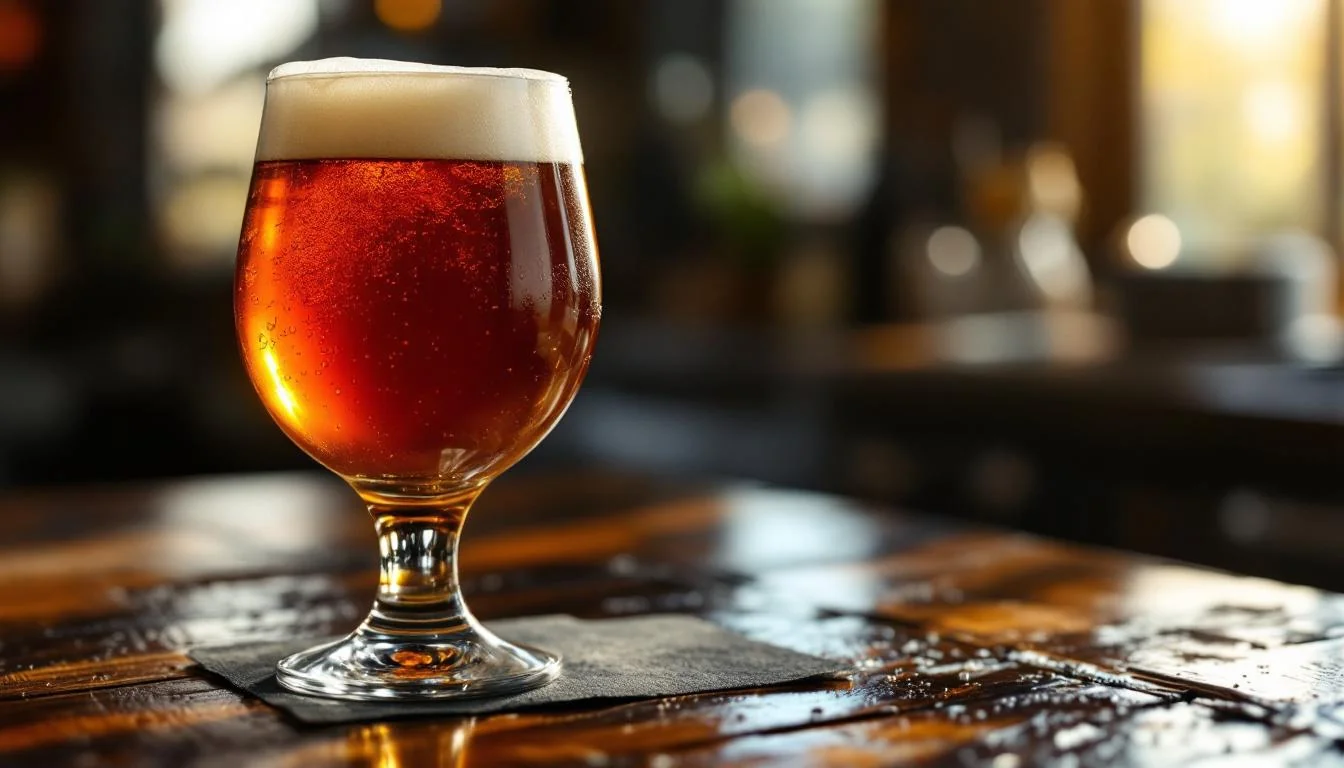
In terms of color, Crystal 60 produces some of the most beautiful shades in the beer spectrum. Deep amber, warm orange-red, sometimes leaning towards copper brown depending on the proportion used. This is the color of an autumn sunset, of maple leaves in late October — not too bright to be bland, not too dark to be gloomy.
What Crystal 60 does best is build body. The unfermented sugars contribute to a full-bodied feel on the tongue, and the remaining sweetness balances the hop bitterness. Beers brewed with Crystal 60 have a thicker mouthfeel and a lingering, subtly sweet finish.
However, using too much will create a cloying sweetness that is easily recognizable by professional drinkers. The key is knowing when to stop.
Typical beer style
American Amber Ale is Crystal 60's signature malt. Beers like New Belgium's Fat Tire or Full Sail's Amber clearly bear the mark of this malt. The caramel flavor blends with American hops, creating a balance of sweetness and bitterness characteristic of the style. This is the perfect intersection between Pale Ale and Brown Ale.
American Pale Ale and IPA Crystal 60 is used in an auxiliary role. A lower ratio—around 5-8%—is enough to create a sweet base that balances the strong bitterness of the hops. Sierra Nevada Pale Ale, one of the most important beers in American craft beer history, is believed to have Crystal 60 in its original recipe.
American-style brown ale typically pairs Crystal 60 with darker malts. This creates a caramel base, allowing chocolate malt or roasted barley to add bitter and roasted notes on top. The result is a multi-layered, complex yet harmonious flavor profile.
Porter and Stout Even without being too strong, Crystal 60 has a place. Versions like Robust Porter or Oatmeal Stout use it to add sweetness and soften the bitterness of the roasted malt. Crystal 60 acts as a bridge between the bright world of Pale Ale and the dark world of Stout.
In addition, some American-style barleywine Old Ale also uses Crystal 60 to increase complexity. The caramel flavor blends with the strong alcohol, creating full-bodied, warm beers perfect for a winter night.
Comparison with malts in the same group
In the American Crystal malt range, the higher the number, the darker the color and the sweeter and more complex the flavor.
Crystal 40 is a step lighter than Crystal 60. It has a bright amber color, a light and fleeting caramel flavor. It's suitable for beers that need a touch of sweetness without being too dark in color — Blonde Ale, Light Amber, or as a base for Pale Ale.
Crystal 80 leans further towards the darker side. It has a deep reddish-brown color, with caramel notes transitioning to more pronounced toffee and raisin. There's a slight bitterness of burnt sugar—a note lacking in Crystal 60. Brown ale and port are Crystal 80's main playing fields.
Crystal 120 is at the other end of the spectrum. Nearly black, its sweetness is so intense it's almost burnt sugar. It leaves a slightly bitter aftertaste, far more complex than the lighter versions. Use sparingly — 3-5% — in Strong Ale and Barleywine.
Compared to English or Belgian Caramel malt, American Crystal 60 has a cleaner, less fruity flavor. European malts often carry characteristic fruit notes of the local barley variety—grape, plum, sometimes even cherry. American Crystal 60 is purer, focusing on caramel and toffee, without encroaching on other flavor profiles.
How to recognize when enjoying it
To "catch" the Crystal 60 in a glass of beer, start with your eyes.
Hold the glass of beer up to the light. If you see a deep amber, reddish-orange hue like a sunset, chances are a medium-grade Crystal Malt is present. This color is particularly noticeable in Amber Ale and American Brown Ale bottles.
Bring the glass to your nose. The aroma of butterscotch caramel is the first sign. Not the burnt caramel of the bolder Crystal, nor the subtle sweetness of the lighter Crystal. This is the middle ground—clear enough to notice, subtle enough not to overpower.
With the first sip, let the beer spread across your tongue. Crystal 60 leaves a full-bodied sensation, with a lingering sweetness at the finish. If the beer has a thick body but is still easy to drink, with a light caramel aftertaste instead of a dry finish, that's the work of Crystal malt.
Compare two bottles of beer of the same style, one with Crystal, one without. You'll see the difference immediately—in color, body, and remaining sweetness. Crystal 60 doesn't shout its presence, but without it, the glass of beer would feel empty.
Next time you raise a glass of Amber Ale, take a moment to pause. Somewhere within that amber hue, within that lingering caramel sweetness, lies the story of barley grains that have endured the fire to bring about this exquisite delight.