
“There are meetings that seem accidental, but are more profound than promises.”
Tonight, I returned to the small beer hall on the corner of Esen Street – where one of the strangest moments of my life had taken place. The wooden tables were still as old as ever, the yellow light still shone on the smooth tabletop, and the smell of damp wood mixed with the strong aroma of yeast made my heart flutter.
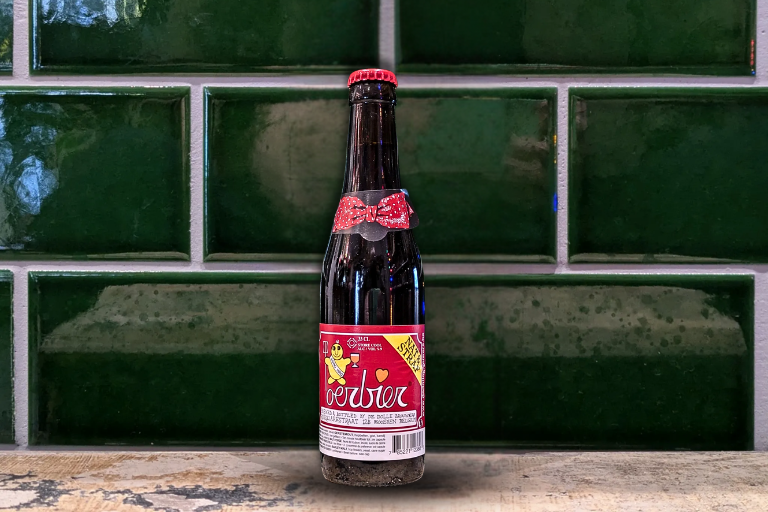
That time, I was just a absent-minded guy walking into the bar, without a goal, without a destination. And then, my eyes met hers - sitting at the end of the counter, in a long wine-colored coat, her face half-light, half-dark in the faint smoke of her cigarette. Without saying a word, she just smiled and ordered a drink. Oerbier, then gently pushed it towards me.
I had never had such a strange beer before – dark brown like the darkness that was swallowing my heart, sour like a whisper, sweet like a promise and a slight bitterness like something left unsaid. From that moment, Oerbier was attached to her – as if with just that sip of beer, I had given my heart to a stranger.
Tonight, I returned, with the foolish hope that I might see her there again – where the light fell on the stool at the end of the counter. But I waited. And there was nothing. Only the glass of Oerbier remained quietly placed before me, as if it too were waiting for her to return.
1. Historical Journey: From Ruins to Icons
Located in the middle of the poetic village of Esen in Flanders, Buy Doll Shoppers born from the passion and daring of two brothers Kris and Jo Herteleer. Enter 1980, they discovered an abandoned brewery – once owned by Costenoble, which had been forgotten by time. Instead of letting it sink into oblivion, they decided to revive it from the ashes, turning an old icon into a stage for their wildest ideas.
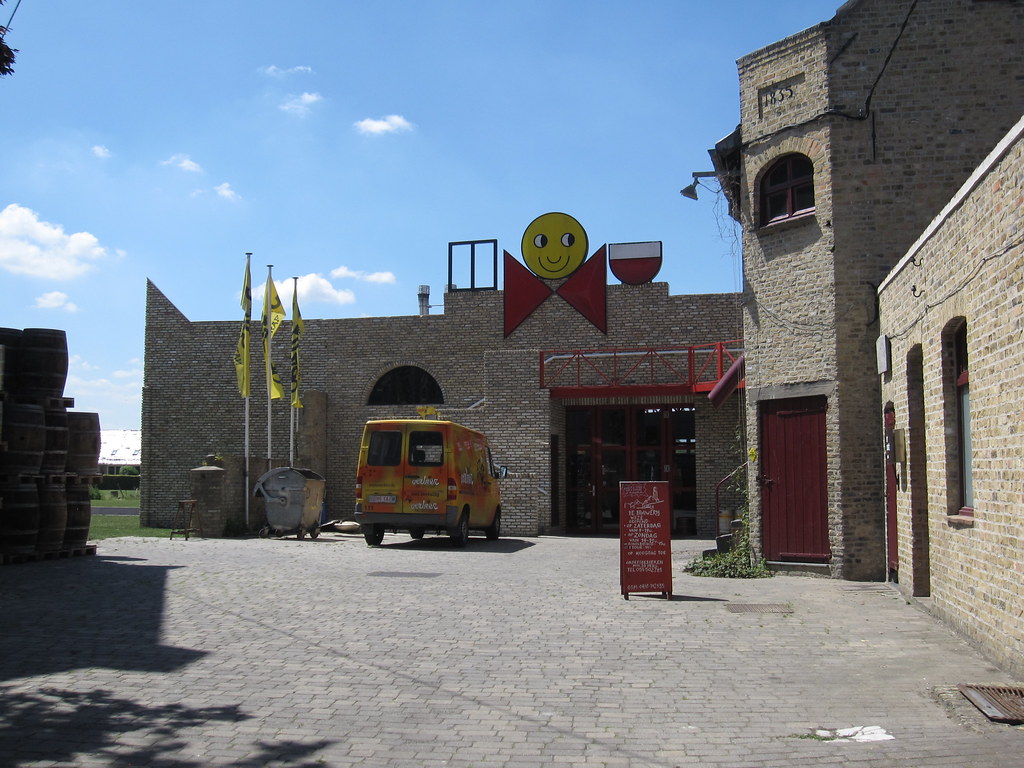
No big budget, no modern production line, but they have a strong belief in the traditional style of craft brewing. They named the brewery “The Dolls” – the mad brewers – as a way of bluntly declaring that they would not follow the conventional path.
The first beer they produced was Oerbier – meaning “original beer” – which symbolized their humble, honest and creative beginnings. The original version of Oerbier was 7.5% ABV, used Rodenbach yeast and had a unique, slightly sour taste – a fusion of Flanders’ spontaneous fermentation tradition and bold experimentation.
From their first batches in a small space, De Dolle has slowly made a name for themselves among craft beer lovers. They don’t chase the mass market, but stick to the principle: beer must have soul. They use Goldings hops grown in Poperinge – a rich agricultural region nearby – to maintain a local connection. They ferment using traditional methods in open tanks, bottle by hand, and constantly refine their recipes based on intuition and passion.
By 2000, when Rodenbach stopped supplying the old yeast, they faced a crisis: many bottles of Oerbier began to explode because the replacement yeast was not stable. Instead of giving up, they saw an opportunity: they launched Oerbier Reserva – a version aged in oak wine barrels, with a deeper, more complex flavor. Since then, Oerbier has gradually become an icon not only of De Dolle but also an indispensable part of the craft beer revolution in Belgium.
Today, the De Dolle brewery remains true to its roots: small, quirky and artistic. Tourists can visit on weekends to chat with Kris Herteleer – the founder and now a living legend – and hear him tell the story of the miraculous resurrection of an old brewery into an international icon.
2. Flavor and Personality: When Beer Becomes Art
A sip of Oerbier is a wave of flavour: starting with dried fruit – like blackcurrants, ripe plums – mixed with a thick layer of caramel, followed by a very distinct, elegant sourness and finishing with a slight bitterness from Goldings hops from Poperinge.
But beneath those layers of flavor lies a complex structure: the sweetness comes from the rich, roasted malts, which give way to notes of toast, burnt sugar, and the occasional hint of honey. The distinctive sourness—a legacy of Rodenbach’s old yeast—is complex, reminiscent of fermented fruits like cherries, dried apples, and blackberries. Meanwhile, the slight bitterness from the hops is not dominant, but rather a gentle nod to balance the finish, avoiding a heavy feeling.
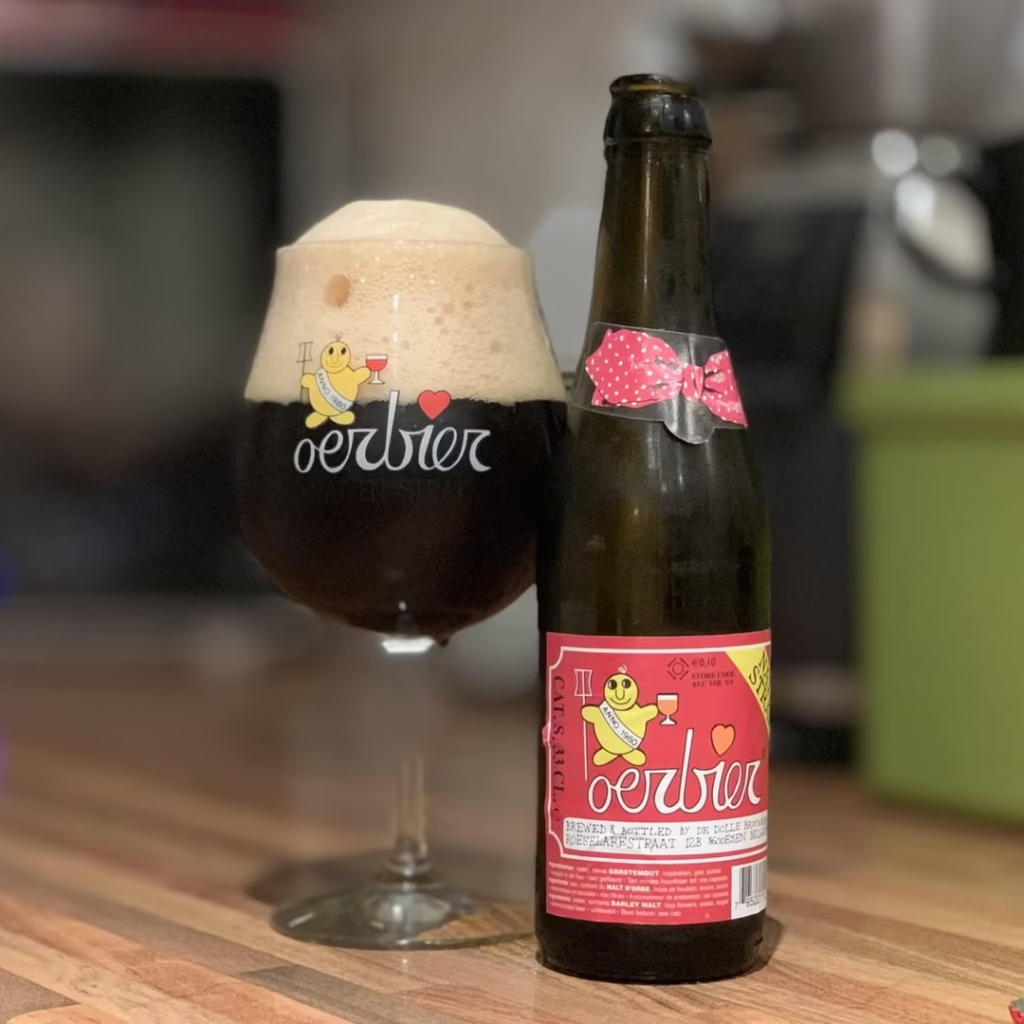
The aroma of Oerbier is a complex harmony: in addition to dried fruits and caramel, beer connoisseurs may detect notes of leather, a touch of black pepper, and a hint of strong alcohol – like cognac or port. When the beer is allowed to “breathe” a bit, the woody notes from the barrel aging process begin to emerge, adding to the overall elegance.
The mouthfeel is one of Oerbier's strongest points: smooth, almost creamy, with a medium viscosity and a long finish. Alcohol content 9% subtly hidden, only when you finish drinking do you feel the warmth spreading from your throat to your chest – a warm feeling like sitting next to a fire in an old Belgian house in the middle of winter.
This is not a beer for those in a hurry – Oerbier invites you to stop, feel, and listen to the story that each drop is whispering. Each sip is a new discovery – and each person will have a unique experience, like reading an ancient novel written in flavour.
3. Belgian Dark Strong Ale Style: Elegance In Every Drop
Belgian Dark Strong Ale – the beer that is considered the “wine of the beer world” – is where the art of Belgian brewing reaches its peak of sophistication and complexity. The outstanding feature of this style is its high alcohol content, usually from 8 to 12%, in which Oerbier stops at 9% Ideal – strong enough to warm, but not too heavy.
In appearance, the beer has a dark brown to dark amber color, shimmering like honey when exposed to light. The thick, ivory-beige foam creates an attractive and inviting appearance at first sight.
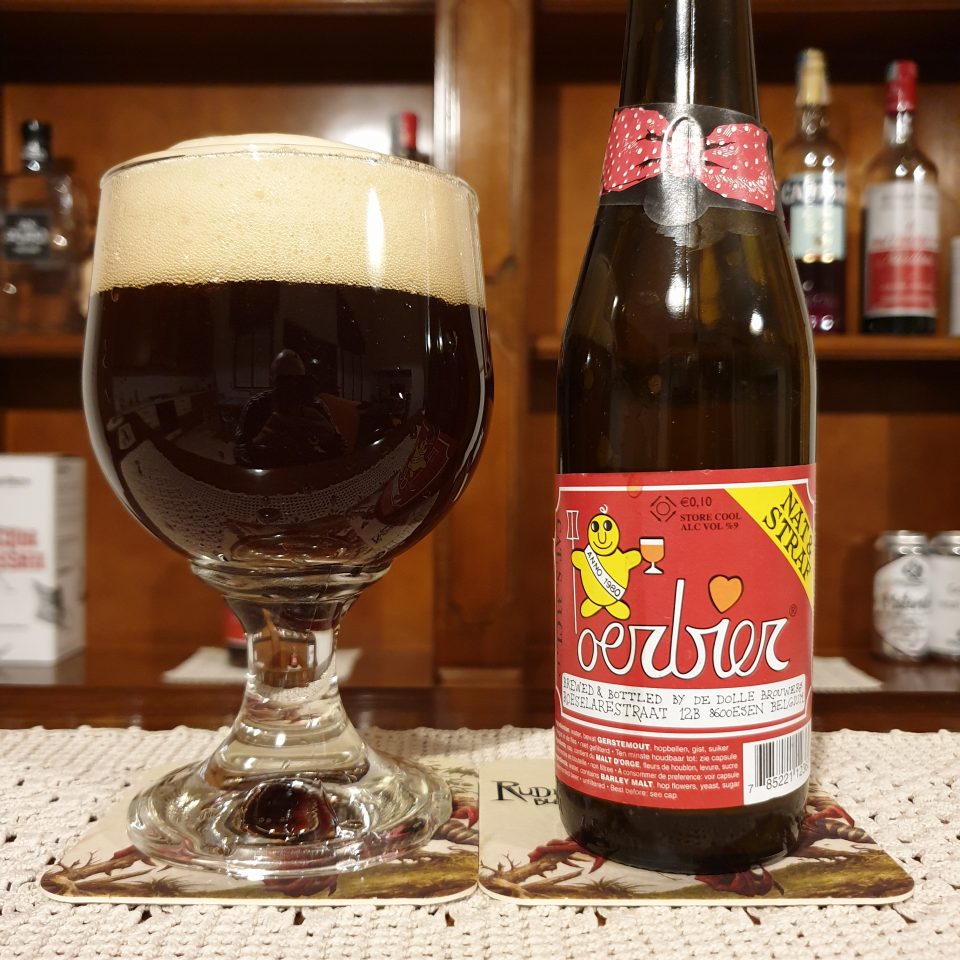
The palate is a symphony: dark fruit notes like ripe plums and raisins, combined with rich caramel sweetness, a touch of honey and a touch of aged wine. Some versions, like the Oerbier Reserva, also have subtle woody notes from aging in wine barrels – adding depth and elegance to every sip.
4. Enjoy: When Beer Is a Ritual
Enjoying Oerbier is not simply about drinking a glass of beer – it is a ritual, a sacred experience for souls who love sophistication and depth.
4.1 Beer glass – the crown of flavor
Start with a goblet or chalice – a symbol of respect in Belgian beer culture. The wide-mouthed glass opens up space for the aromas to bloom, while holding a thick, seductive beige head at the top. When pouring, tilt the glass gently at a 45-degree angle, letting the beer flow like silk, then gradually straighten the glass to create the perfect head of head – a soft crown for the Oerbier king.
4.2 Temperature – the key to opening the door of fragrance
The ideal temperature to serve Oerbier is around 10–13°C. At this temperature, the aromatic compounds will not be locked in as they would be if the beer were too cold, nor will they evaporate too quickly as they would if it were too warm. Let the beer “rest” for a few minutes after pouring – it’s a magical moment when each layer of aroma gradually unfolds like a symphony played slowly.
4.3 Inhale, Click, Pause – Feel with all your senses
Bring the glass to your nose and take a deep breath. You’ll notice notes of dried fruit, caramel, a hint of tartness, then hints of black pepper, oak, and spirits like port or cognac. Each person will have their own unique experience – like discovering a garden with hidden secrets.
When you take the first sip, don't swallow it too quickly. Let the beer spread throughout your mouth, feeling the velvety texture, the ripe malt sweetness, the subtle acidity from the special fermentation process, and finishing with a perfectly balanced bitterness. The aftertaste lingers, like the unfinished whisper of an ancient tale.
4.4 Perfect Pairing – Food Combinations
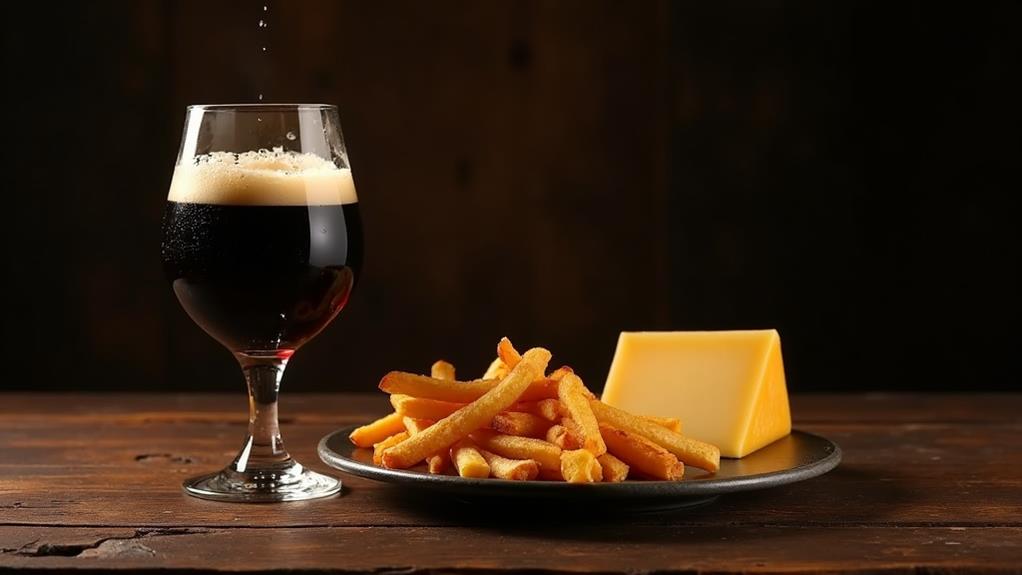
- Roasted or grilled red meat: Like honey-roasted duck or grilled ribs with rich sauce, helping the caramel layer in the beer to be more complete.
- Soft or semi-soft cheese: Like Brie, Camembert, Taleggio – smooth fatty flavor enhances the fruity flavor in beer.
- Dark chocolate or potato chips for dessert: Expands the depth of the aftertaste, making each sip a moment of meditation.
4.5 The moment – when the soul needs a moment of silence
Oerbier is not for hasty pleasures. It is for quiet evenings, when you can sit quietly watching the sky, listening to soft music and letting your soul sink into the glass of beer. It is a companion in a private moment, a ticket to take you away from the noisy world and into the deep realm of taste and memory.
5. Awards & Legacy: When Names Are Engraved On The World Beer Map
Oerbier is more than just a craft beer – it is a symbol of a quiet revolution in the Belgian beer world. In the 1980s, when the beer industry was dominated by mass-produced products and homogenized flavors, Oerbier was a breath of fresh air, bold and artistic.
Thanks to its exceptional quality and distinctive character, Oerbier quickly attracted attention not only in Belgium but also around the world. The 1990s and early 2000s were a period of great success when Oerbier was featured regularly at international beer festivals, from Belgium to the United States, Germany and the Netherlands, and was highly regarded by beer experts and the global beer community. The special Oerbier Reserva version is even ranked among the most complex and deep barrel-aged beers ever produced in Belgium.
Some outstanding awards:
- Gold medals at craft beer competitions in Belgium and Germany.
- Included in the “must-try” list of many independent beer experts in the US and Europe.
- Voted as one of the most iconic Belgian Strong Ales in the world by many international beer communities.
More than the medals, however, Oerbier’s greatest legacy is its pioneering spirit and uncompromising quality. It was Oerbier and the De Dolle brewery that inspired a new generation of Belgian craft brewers who dared to go against the grain of industrialisation, to preserve the spirit, the heart and the local identity in every drop of beer.
Today, when you visit the De Dolle Brouwers brewery in Esen, you are not just drinking a delicious beer – you are enjoying a living piece of history, where every wall and every old brewing equipment tells the story of how Oerbier put its name on the world beer map.
Oerbier is a testament to perseverance, to the power of passion and individuality. And so, no matter how the world changes, a glass of Oerbier remains a reminder that: individuality and honesty in taste are always what touches the heart of the connoisseur.
6. Conclusion: Oerbier – A Timeless Story
Perhaps, like that fleeting glance that year, there are moments that, even though they just quietly pass through our lives, can never fade away. Oerbier to me it is not just a beer, but a symbol of memories, of unspoken emotions, of a sad song that forever resonates in my heart every time I remember it.
From the first glass of beer she gave me at the bar years ago, until tonight – when I raise my glass alone in silence, Oerbier still retains its special quality: it carries with it a part of someone, a memory, an unnamed longing. In a world that changes every day, perhaps quiet things like that are what make us endure.
For those who have loved with all their heart, who have looked for someone who is no longer there, Oerbier is more than just a taste experience – it is a gentle consolation. A glass of Oerbier does not make you forget, but helps you remember – in a warm and respectful way.
So if one day you stumble into the old beer hall in Esen, order a glass of Oerbier. Who knows, you might understand why I keep coming back. Who knows, you might also see yourself in a look that once made your heart stop – just for a second, but stayed for a lifetime.