

In 1857, in his Parisian laboratory, Louis Pasteur looked through a microscope and saw tiny organisms souring milk. He didn't know that these same organisms had been silently present in German beer for hundreds of years before. Brewers in Berlin called it "something in the air." They didn't see it, they didn't name it, but they knew it was there—in the tangy acidity of every sip of summer Weisse.
Lactobacillus is not yeast. It's bacteria. And in the world of beer, it was once considered a destroyer before being recognized as an artist.
From "spoiled brat" to master of sourness
The history of Lactobacillus in beer is a story of centuries-long misunderstanding.
Germans have been drinking sour beer since the Middle Ages. Berliner Weisse appeared in Berlin in the 16th century. Gose was brewed in the town of Goslar in Lower Saxony from the early 17th century. But no one knew why beer was sour. They only knew that if beer was left under certain conditions, it would have a pleasant sour taste.
In 1857, Louis Pasteur first described lactic acid bacteria in his studies of milk fermentation. However, it wasn't until 1901 that the German microbiologist Martinus Beijerinck officially classified the genus Lactobacillus. He named it from Latin: "lacto," meaning milk, and "bacillus," meaning small rod—referring to its shape and the initial environment in which it was studied.
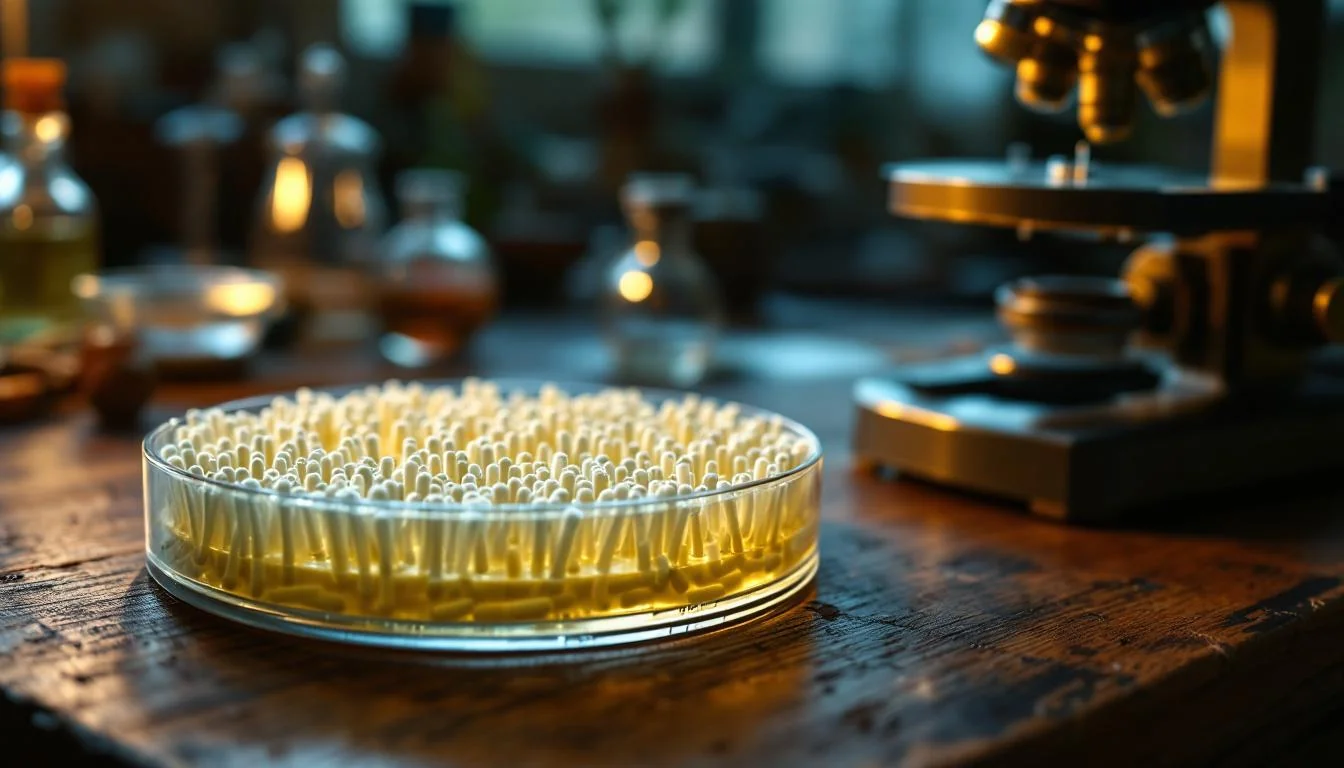
Throughout the 20th century, the industrial beer industry viewed Lactobacillus as an enemy. It spoiled bright lager beers. It turned sweet malt into an unpleasant acid. Breweries invested millions of dollars to eradicate it.
But in Berlin and Leipzig, traditional brewers keep their secrets. They know that Lactobacillus, when properly controlled, produces an irreplaceable tangy acidity. Berliner Weisse was once called the “Champagne of the North” by Napoleon. Gose is protected as a cultural heritage of the Saxony region.
The resurgence of craft beer in the 2000s changed everything. American brewers turned to Germany, relearning how to use Lactobacillus. From a bacterium once shunned, it became the star of the modern sour beer movement.
Biological characteristics
Lactobacillus belongs to the phylum Firmicutes, family Lactobacillaceae. It is a gram-positive, rod-shaped, non-spore-forming, facultative anaerobic bacterium—meaning it can live with or without oxygen, but functions best in low-oxygen environments.
In beer production, the two most commonly used species are Lactobacillus delbrueckii and Lactobacillus brevis. L. delbrueckii thrives at higher temperatures, from 40-50°C, and produces acidity rapidly within 24-48 hours. L. brevis prefers lower temperatures, around 30-35°C, and produces a more complex flavor profile but requires a longer fermentation time.
The key difference: Lactobacillus doesn't ferment sugar into alcohol. Instead, it converts sugar into lactic acid—the acid that gives yogurt, kimchi, and pickles their sour taste. This process is called lactic acid fermentation, and it's completely different from the alcoholic fermentation of Saccharomyces yeast.
The optimal pH for Lactobacillus activity is 5.5-6.0. When the pH drops below 3.5, the bacteria begin to die. This is a self-limiting mechanism — Lactobacillus stops functioning when the environment becomes too acidic.
Flavor and character
The sour taste of Lactobacillus is completely different from the sour taste of vinegar or lemon.
Lactic acid creates a soft, rounded sourness that embraces the palate rather than the piercing sensation of acetic acid in vinegar. If the citric acid in lemons is a dazzling white light, lactic acid is like a sunset—warm, gentle, and deep.
At moderate concentrations, Lactobacillus produces a tangy, yogurt-like flavor, accompanied by a hint of sweetness from undiluted malt. At higher concentrations, it delivers a harsh, sour taste reminiscent of sauerkraut, which can cause a tingling sensation on the tongue.
In terms of aroma, Lactobacillus does not produce fruit esters or pungent phenols like yeast. Instead, it has a mild yogurt-like scent, sometimes reminiscent of naturally fermented bread (sourdough). Some strains also produce diacetyl—a compound with a buttery smell—in the early stages, but this usually disappears once fermentation is complete.
When combined with hops, Lactobacillus creates an interesting contradiction. Iso-alpha acid in hops inhibits these bacteria, which is why traditional sour beers often use very little hops or aged hops to reduce their antibacterial properties.
Typical beer style
Lactobacillus is the soul of sour beer Traditional Germany and the modern sour ale movement.
Berliner Weisse
This is the lightest and most elegant style of beer – only 2.8-3.8 oz ABV. Traditional Berliner Weisse uses 5 oz wheat malt, fermented with a blend of ale and Lactobacillus yeasts. It has a sharp yet light acidity, a thin, watery body, and high carbonation for a refreshing sensation. Berliners often pair it with woodruff (green) or raspberry (red) syrup to balance the acidity.
Goose
Gose is more complex than Berliner Weisse. In addition to Lactobacillus, this style also uses salt and coriander. Wheat beer This one has a tangy, salty, and herbal flavor profile, reminiscent of summer lemonade. Gose nearly went extinct in the 1960s, only to be revived at a single brewery in Leipzig in 1986.
Kettle Sour
This is a modern technique, common in craft breweries. Instead of fermenting the mixture for months, the brewer adds Lactobacillus to the wort in a kettle, keeping it at 40-45°C for 24-48 hours to create acidity, then boils it to sterilize it and ferments it normally with yeast. The result is a clean, easy-to-control sour beer, without the funky flavors of brett or wild yeast.
Flanders Red and Oud Bruin
LIVE Belgium, Lactobacillus plays a supporting but crucial role in these styles. It works alongside Brettanomyces and Pediococcus in oak barrels, creating the underlying acidity that gives Flanders ale its complex sourness.
Geographic region and terroir
Lactobacillus is ubiquitous—in the air, on human skin, in fermented foods. But in beer, it's associated with two regions of Germany.
Berlin and the Brandenburg region are home to Berliner Weisse. The continental climate with hot summers provides ideal conditions for lactic fermentation. The region's hard water, rich in calcium and carbonate, also affects pH and fermentation rate. Older breweries like Kindl and Schultheiss once produced millions of liters of Weisse annually before the style declined in the late 20th century.
Leipzig and the Saxony region are the birthplace of Gose. The natural salty spring water from the Gose River, flowing through the town of Goslar, shaped this beer style. Döllnitzer Ritterguts Gose, the only brewery to have preserved the recipe through the East German era, still uses local water and a Lactobacillus strain cultivated over generations.
Today, Lactobacillus is used globally. But discerning brewers still turn to Germany—not for water or malt, but to understand the philosophy: sourness is not spoilage, but another dimension of flavor.
How to recognize when enjoying it
When raising a glass of sour beer, pay attention to the following signals.
Nose: Lactobacillus produces a mild yogurt-like smell, sometimes reminiscent of sourdough bread or young kimchi. There is no strong vinegary smell (which is a sign of Acetobacter—another type of bacteria). There is no smell of horsehide or barnyards (which is Brettanomyces).
Tongue: The sourness of lactic acid coats both sides of the tongue, then spreads throughout the entire palate. It doesn't sting the tip of the tongue like lemon. It doesn't burn the throat like vinegar. After the first sip, saliva flows from the mouth—this is a natural reaction to acid, and also why sour beer stimulates appetite.
Aftertaste: Beer fermented with pure Lactobacillus has a clean, tangy aftertaste, without any funky or earthy aftertaste. If there is any, it is a sign of other microorganisms being involved.
In an increasingly complex beer world, Lactobacillus reminds us that sometimes, the magic lies in simplicity — a tiny bacterium, a chemical reaction, and centuries of patient brewers who know how to wait.