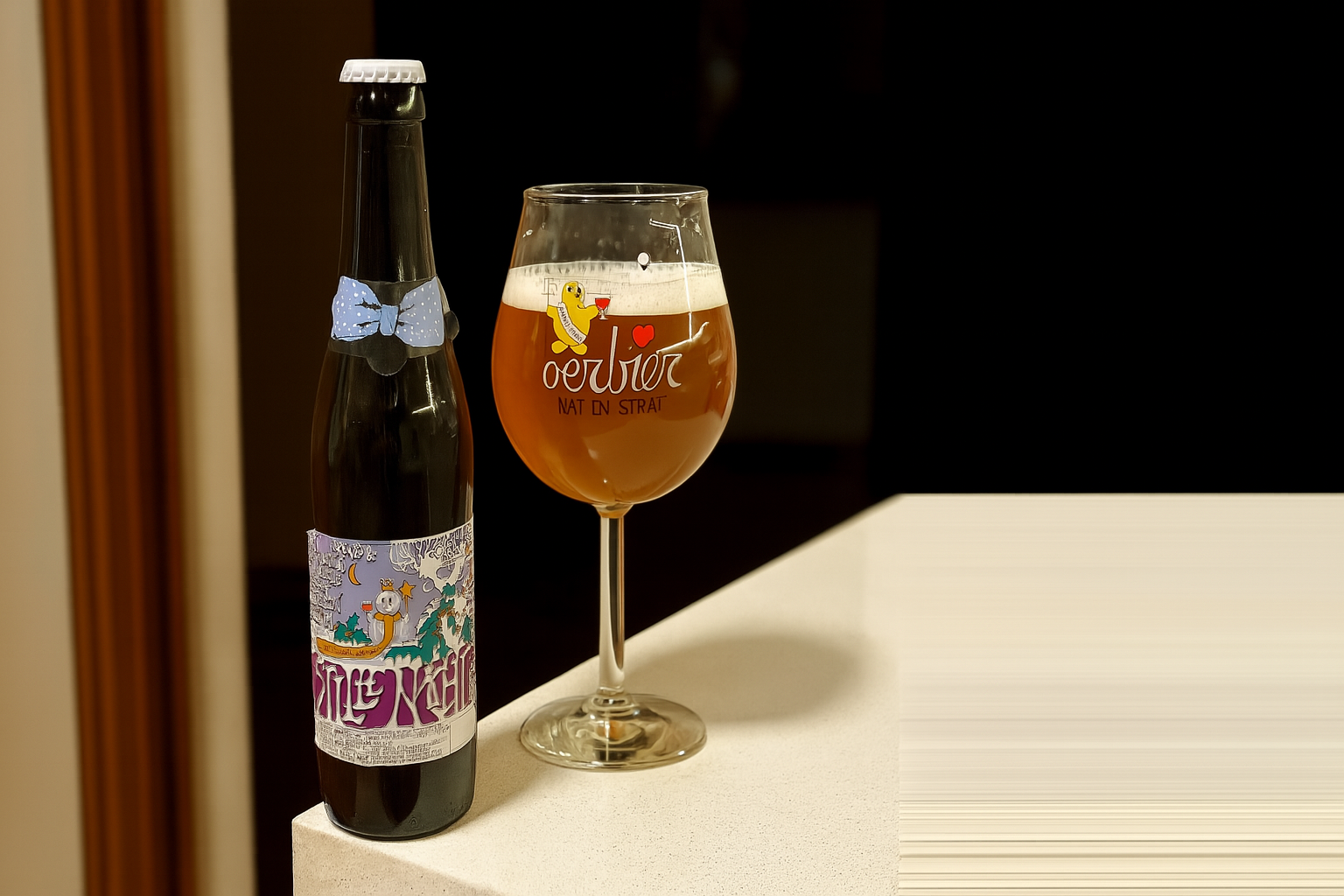

There are winters that pass through life like a never-ending drizzle: cold, long and quiet. There are old memories that still sob every time the north wind blows through the window. In that moment, we suddenly realize: sometimes, what we need is not light, but just a little warmth from within.
And then, in the corner of the small shop filled with darkness and the smell of old wood, I raised my glass of beer. Still Night, “Peaceful Night”. Like embracing a love song that has never been sung, the beer lingers on the tip of the tongue like an unfinished kiss from a dream that has not yet awakened.
With Stille Nacht, Christmas is no longer a bustling holiday, but a pause to touch the gentleness of everyday life. As if in every drop of beer, there is a whole area of memory that has been kept hidden for a long year, waiting to burst out in the middle of winter: quiet, sincere and full of emotion.
1. Brouwerij De Dolle Brouwers Factory – From Ruins to Legendary Rebirth
The story begins from 1835, in a small village called Esen, in the West Flanders region of Belgium. A humble brewery was born in a time when beer was the soul of every local community. Over time, the place gradually fell into oblivion – until 1980, when two brothers Kris and Jo Herteleer decided to breathe new life into what was once a relic of history.
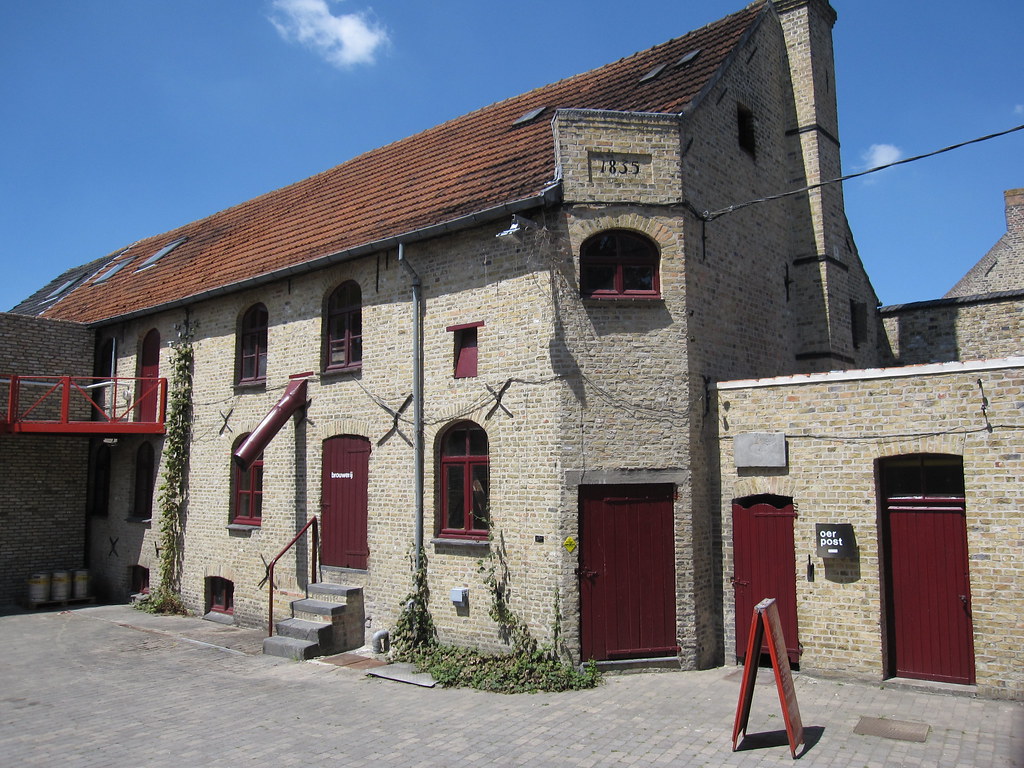
With an independent spirit and strong passion, they did not choose the path of industrialization, but remained loyal to the philosophy of Using natural ingredients, traditionally fermented and unfiltered. Each batch is brewed with love, patience, and absolute respect for the craft method. This revival not only brings life to the brewery, but also revives the uncompromising creative spirit of Belgian beer lovers.
Not long after, the De Dolle Brouwers brand of beer surprised the world beer-loving community. 2000, they won prestigious awards Golden Hammer, recognizing the efforts to restore traditional beer heritage. Next is the series Gold Award at RateBeer in 2008–2009, putting De Dolle on the map among the world's most respected craft breweries.
Among them, Still Night became a jewel. It started out as a special Christmas edition of the Oerbier, but it took on a life of its own, becoming a symbol of a combination of tradition and festive emotion. There isn't much advertising, but word of mouth about it is a winter miracle – warm, magical and full of nostalgia.
2. Belgian Pale Strong Ale – When Strong Can Also Be Delicate
Stille Nacht takes on the title Belgian Pale Strong Ale – a beer style dubbed the “winter queen” for its subtle combination of strength and charm. With an alcohol content of up to 12%, this beer is as strong as the breath of a Belgian winter, but at the same time as soft as a warm wool scarf around the neck.
From the first moment you raise your glass, the color shimmering orange appeared like a flickering candlelight on Christmas Eve. Then a fragrant scent rose up – sweet caramel, rich honey, interspersed smell of fresh baked goods. It's not just a taste, it's a memory.
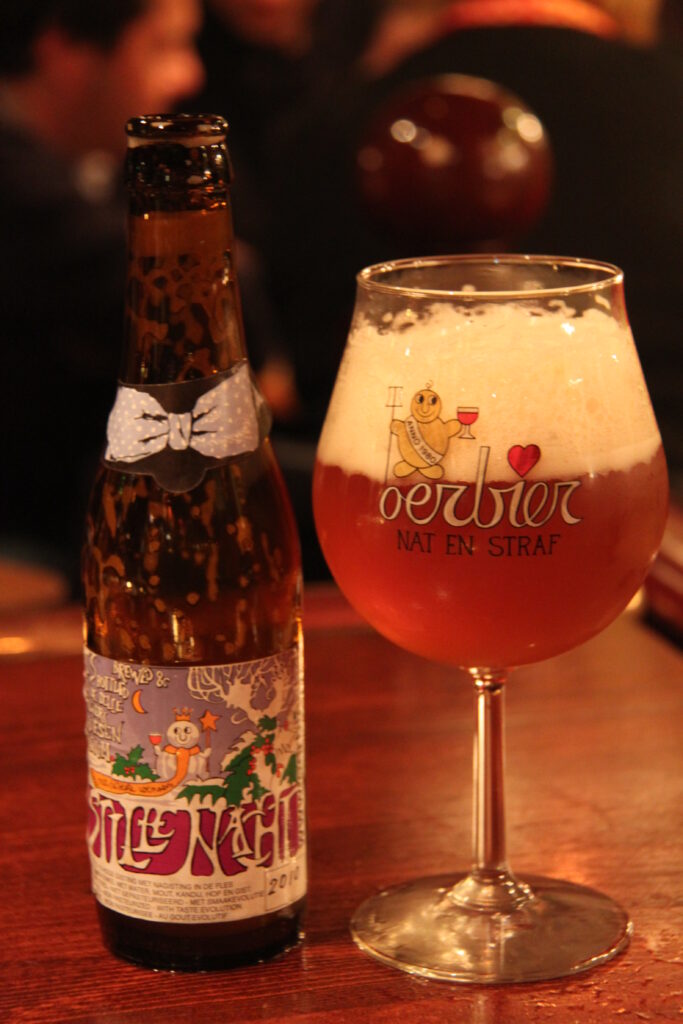
On the tip of the tongue, dark roasted malt flavor as a background, then gradually reveal the layers of flavor dried fruit, clove, and finally one slightly bitter aftertaste, like the violin closing a love song. All blend into a symphony that only experienced brewers can write.
What is special about Stille Nacht is perfect contradiction: powerful yet refined, complex yet easy to love. It's a beer that both connoisseurs and newcomers can find something to remember. For those who have never loved beer, a sip of Stille Nacht can be the first moment when you realize: beer has a soul.
3. Enjoy Stille Nacht – A Little Ritual of Joy
Enjoying Stille Nacht is not just the act of sipping a beer, it is also a little winter ritual, where all the senses come together. From the sight of the thick, floating foam, to the breath of caramel wafting through the air, every step is slow, as if you were walking into a Christmas concert.
The Secret to Fully Enjoying Stille Nacht
- Ideal cup type: Goblet or chalice glass – with wide body and open rim, helps to diffuse aroma and keep the foam longer.
- Ideal temperature: 8–12°C. Not too cold that it “freezes” the flavours, but not too warm that the beer becomes heavy.
- How to pour beer: Start by tilting the glass 45 degrees, pouring gently from the middle of the bottle, then slowly stand the glass upright to create a thick, even, and smooth layer of foam like the first snow of the season.
Food Fusion – The Art of Taste Harmony
- Hard cheese like Comté, aged Gouda – brings out the caramel sweetness.
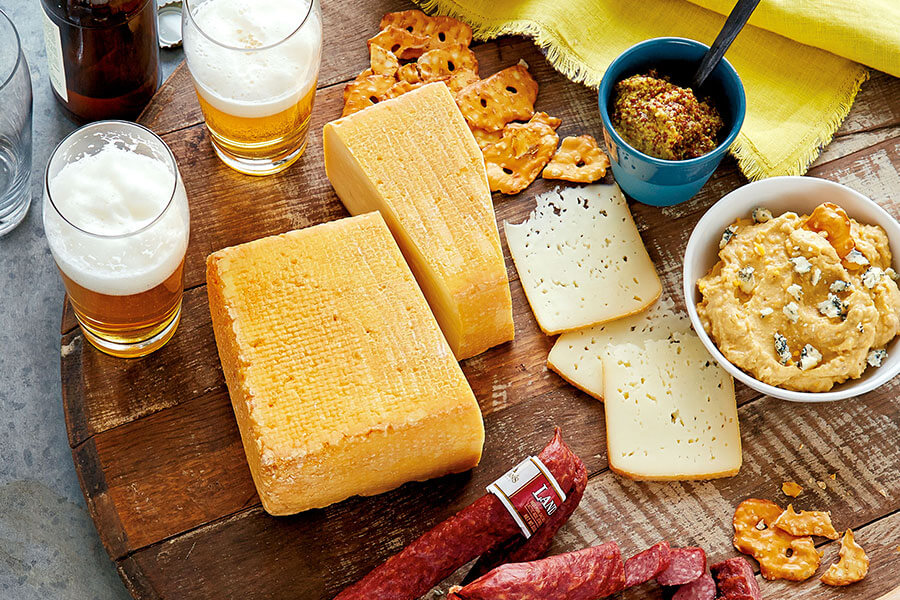
- Grilled meat and roasted chicken – The fatty, slightly charred texture helps neutralize and emphasize the mild bitter aftertaste.
- Butter cookies, caramel mousse, plum tart – like a sweet hug at the end of a party.
If you want the full experience, enjoy a Stille Nacht by candlelight, by the fire, or with jazz music playing quietly. Each sip is no longer just about taste – it is about peace, about being cherished in the moment.
4. When Stille Nacht Made Its Mark on the World
Not only conquering the most demanding beer lovers, Stille Nacht also received recognition from prestigious professional councils:
- Best Christmas Beer in Essen, Germany: 11 award-winning – the “golden snowball” of the festival beer world.
- Belgium's Best Christmas Beer: 8 times honored - each time is an affirmation of timeless position.
- Golden Hammer (2000): marked the revival of the factory and laid the foundation for the De Dolle dynasty.
- RateBeer 2008–2009: multiple Gold Award winner, hailed as one of the best Christmas beers ever produced.
5. Image – Story – Pride
When a Beer Label Becomes a Cultural Icon
Unlike other beers that simply carry a label, Stille Nacht encapsulates the spirit of the festival in its very appearance. mischievous smiling snowman, red cheeks, hand holding a beer glass high – not only evokes the joyful atmosphere of winter but also contains the typical Belgian humor.
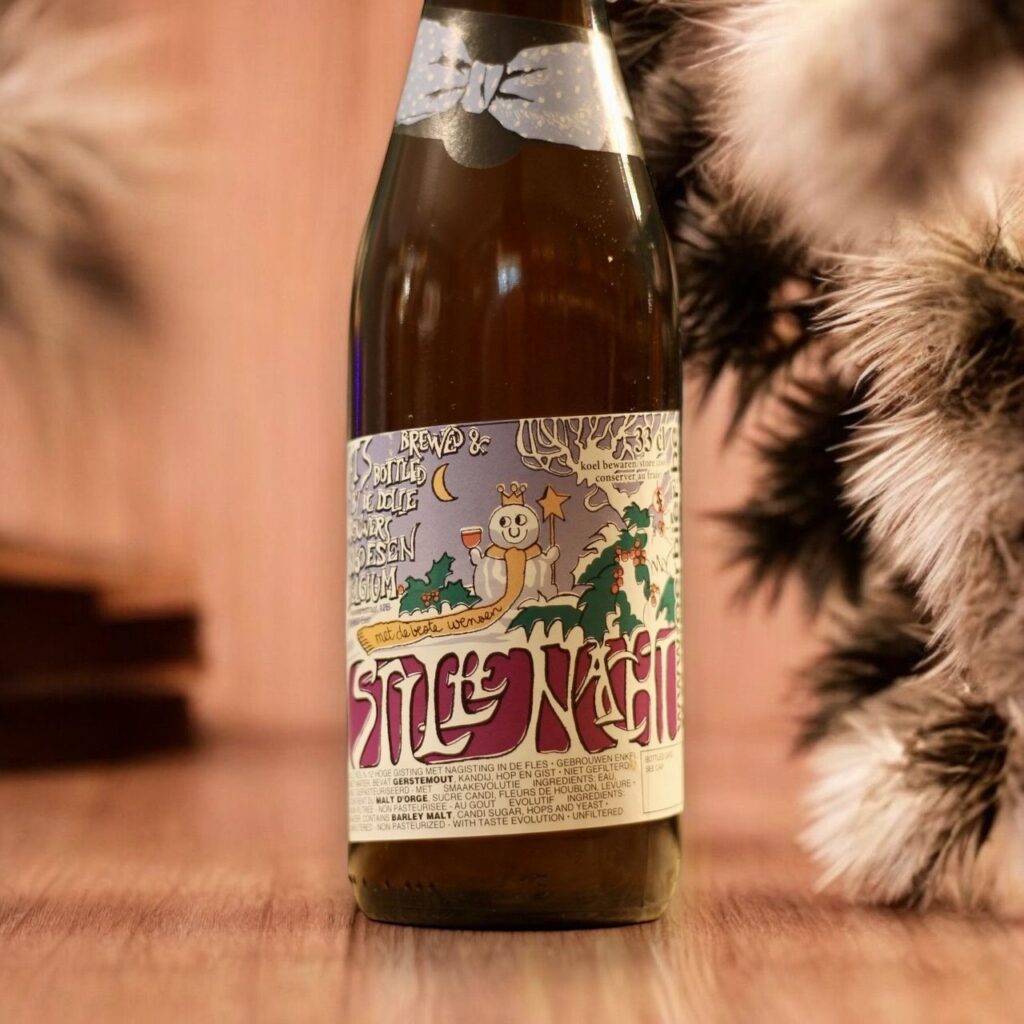
And especially, the slogan “Nat en Straf” – roughly translated as “wet and strong” – is a Flemish wordplay. It’s not just a description of how the beer feels, but also a way for De Dolle to express its personality: strong, straightforward, but not lacking in wit. For beer lovers, seeing the label means knowing: this is a taste adventure worth looking forward to.
The Story From The Worker To The Drinker
Many beer lovers say they brought Stille Nacht home as a Christmas present not only because of the quality of the beer, but also because of the emotions it evokes. A glass of Stille Nacht is sometimes memories of a first winter in europe, To be reunion gift at year-end parties, or simply a sacred silence by candlelight.
During tastings organized by the Belgian beer community, founder Kris Herteleer once shared that each bottle of Stille Nacht that is capped is a wish for peace. For him, beer is not just a drink, but a a part of culture that needs to be retold every sip, every year, every holiday season.
Pride From A Small Village
From the tiny village of Esen with just a few thousand inhabitants, Stille Nacht has travelled the world – from New York beer cellars to Tokyo bars. But wherever it is, when you open the bottle and inhale the sweet aroma of caramel and fruity yeast, you will feel warmth from a peaceful place, where craftsmen still patiently breathe life into every drop of beer every year. It is an unobtrusive pride – but quiet, like its name: Stille Nacht – Quiet Night.
6. Conclusion: Where Winter Becomes Memories
Perhaps each of us will have our own winter to remember, a winter without snow, without the sound of bells ringing, but only empty spaces that cannot be filled. Time will wash away everything, except the feelings that once made our hearts ache.
And when the sadness subsides like the yeast has settled, when the remaining taste is only sweet silence, we suddenly understand that: Stille Nacht is not simply a drink, now, it has become a memorabilia for the occasions when we have loved, lost, hoped, and hurt... in a very human way.

“…I go through the old dream
The wind whispers on the shoulder
Ashes still hold the fire
Once. Then divide by two.”