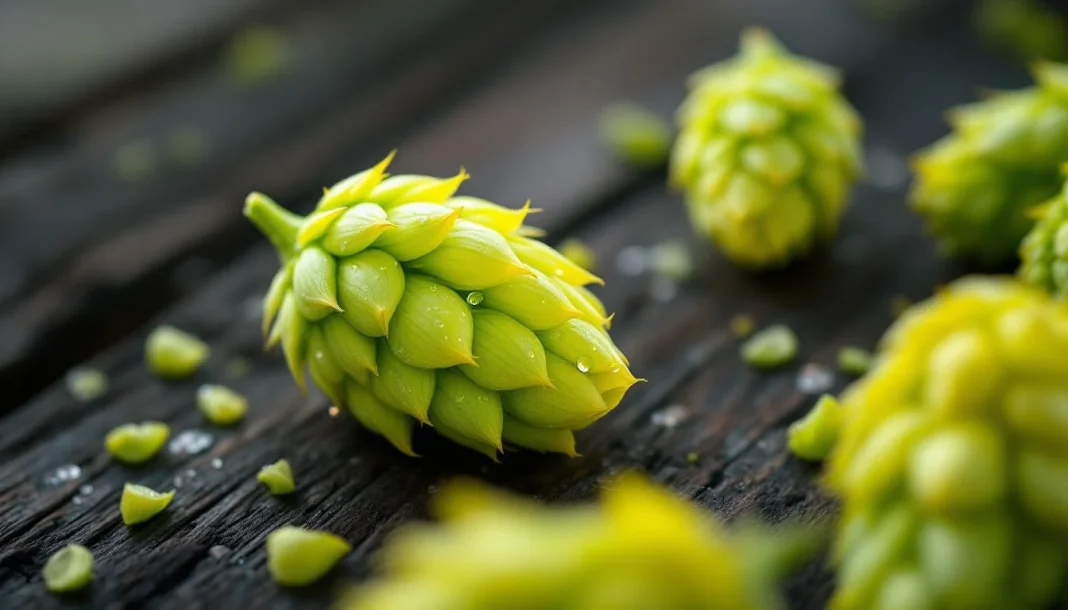
In 1997, a hop grower named Virgil Gamache stood in the middle of his field in Toppenish, Washington. He saw a strange hop plant—unlike any he had ever grown. The flower buds smelled distinctly different: not pine, not grass, but orange. Fresh orange, ripe orange, as if someone had just peeled an orange right in the middle of the field. He named it Amarillo, which in Spanish means “yellow”—the color of Texas sunshine, the color of ripe citrus fruits.
Twenty-five years later, Amarillo has become one of the most sought-after hop varieties in the world. But you can't buy it anywhere else but Virgil Gamache Farms. It's an exclusive variety — a rarity in an industry where almost everything is shared, hybridized, and propagated.
Origin and history
Amarillo's story began as an accident. Or perhaps a stroke of luck. Virgil Gamache, the third generation of a family of hop growers in the Yakima Valley, discovered a naturally growing hop tree in his garden in the mid-1990s. The tree wasn't the result of any breeding program. It appeared spontaneously—perhaps from seeds carried by the wind, perhaps from a random mutation.
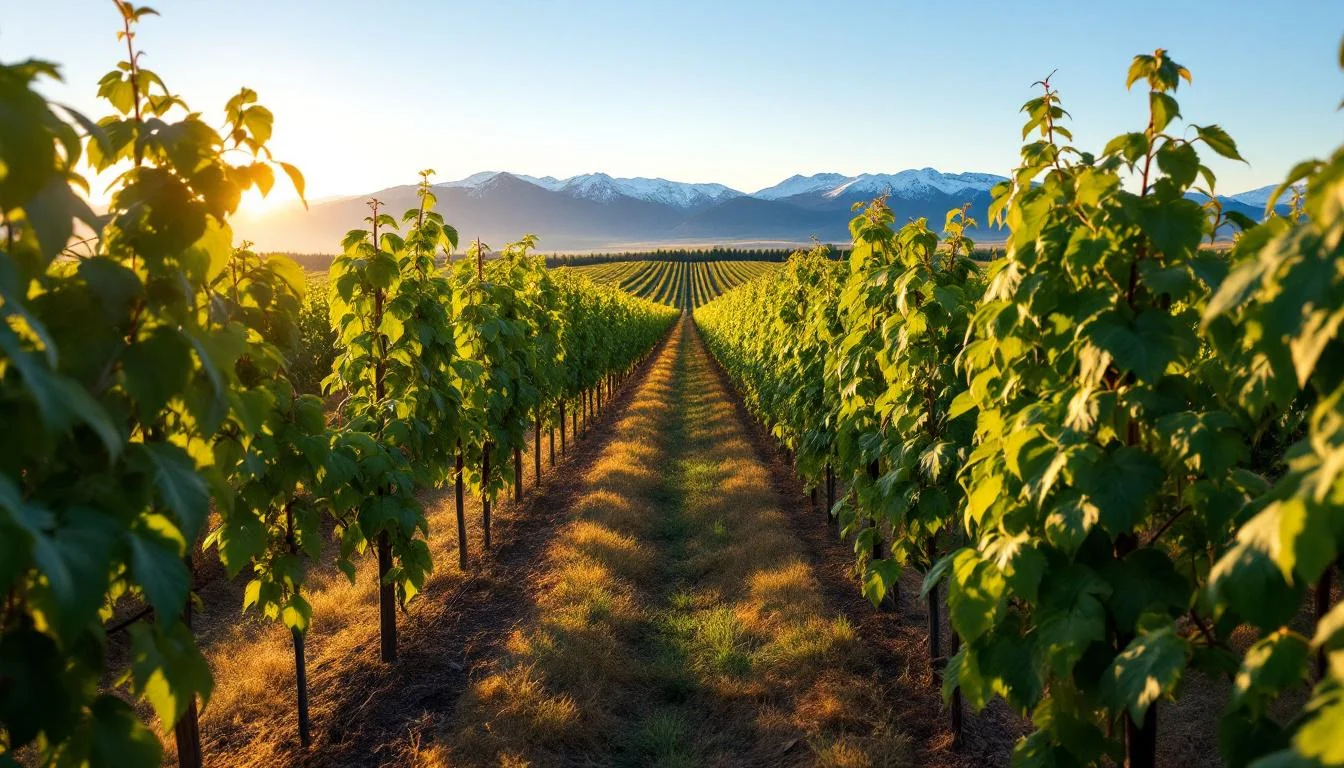
The Yakima Valley, located in the heart of Washington State, provides approximately 751 tons of U.S. hop production. The region boasts ideal conditions: hot, dry summers, cool nights, mineral-rich volcanic soil, and irrigation from the Yakima River. But most importantly, its latitude—around 46 degrees North—allows the hop plants to receive sufficient sunlight for optimal growth.
Virgil Gamache was in no hurry. He spent years experimenting, growing, and evaluating the quality of this new hop variety. In 2000, he registered the Amarillo® trademark and decided to keep it as a proprietary hop variety. This was a bold decision. Most public hop varieties are developed by universities and can be grown by anyone. But Amarillo is grown exclusively at Virgil Gamache Farms Inc.
This decision creates controlled scarcity. Breweries must order directly from the farm, and not everyone is granted access. This is both a business strategy and a way to protect quality. Each batch of Amarillo hops is traceable back to a single region.
In 2005, Amarillo began appearing in American craft breweries. Stone Brewing, Dogfish Head, and Bell's Brewery were among the first to use it in their IPAs. The result was a new wave: beers with fresh, fruity aromas, a stark contrast to traditional bitter IPAs.
Technical specifications
Amarillo has an alpha acid content ranging from 8% to 11%, placing it in a balanced position between aromatic and bitter hop varieties. Beta acid is in the range of 6% to 7%, contributing to a softer bitterness when the beer is aged for a longer period.
The most noteworthy aspect lies in its essential oil content. Amarillo typically contains 1.5 to 1.9 ml/100g – a relatively high amount compared to many traditional hop varieties. Myrcene accounts for approximately 68% to 70% of the total essential oil, explaining its intense fruity aroma. Humulene and caryophyllene are present in low levels, meaning Amarillo lacks strong pungent or pine-like characteristics.
The Amarillo harvest season typically begins in late August to early September, when the flower buds reach optimal maturity. Amarillo plants are vigorous and produce a steady yield, but require careful cultivation to maintain their distinctive aromatic profile.
Aroma and flavor
When you open a package of fresh Amarillo hops, the first thing that hits your nose is orange. Not industrially squeezed orange juice, but freshly grated orange peel — the essential oils burst forth, fresh and vibrant. Then comes a layer of ripe peach, sweet but not cloying. Next comes pink grapefruit, yellow lemon, and a hint of ripe mango.
This is why Amarillo is often called the "typical citrus hop." But that's not all. Hidden beneath the citrus layer are subtle floral notes—orange blossom, jasmine—as a hint of something else. Some even detect hints of apricot, or a touch of peach nectarine.
When used in beer, Amarillo exhibits two different faces depending on when it's added. If added early (first wort hopping or at the beginning of the brewing process), it offers a clean, non-harsh bitterness with a hint of lingering fruit. If added at the end of the brewing process or during a dry hop, Amarillo explodes with citrus and peach aromas—especially when the beer is cold and fresh.
What sets Amarillo apart from other citrus hop varieties is its balance. It's not as sour as Citra, not as harsh as Simcoe, and not as cloying as Centennial. Amarillo offers a natural sweetness—not sugar, but the sweetness of ripe fruit—making the beer more pleasant to drink.
Beer style using Amarillo
Amarillo was born to be American IPA. This is undeniable. Its citrus and peach notes perfectly complement hop-focused beers, while its moderate alpha acidity prevents the bitterness from being overwhelming. Many breweries use Amarillo in combination with Citra or Mosaic to create layered IPAs.
Pale Ale is also Amarillo's natural playground. With a lower alcohol content than IPAs, Pale Ale allows the hop flavors to shine through without being overwhelmed by the malt base. A Pale Ale single-hop Amarillo is a great way to understand the characteristics of this hop variety.
Surprisingly, Amarillo also works well in wheat beer American style. The smoothness of wheat malt combined with the peach and orange notes of Amarillo creates an ideal summer beer—easy to drink, aromatic, and refreshing. Some breweries even experiment with Amarillo in Witbier, replacing the traditional curaçao orange peel.
Recently, the Hazy IPA trend has taken Amarillo to a new level. The creamy texture of Hazy IPAs retains the hop essential oils longer, resulting in more concentrated and lingering citrus and peach flavors. In New England IPAs, Amarillo is often dry-hoped in large quantities—sometimes up to 3-4 pounds per barrel.
Comparison with other hop varieties in the same group
Amarillo is often compared to Citra—both are American hop varieties with citrus and tropical fruit notes. But there are clear differences. Citra leans more towards the tropics: passion fruit, guava, and cantaloupe. Amarillo is more traditional: orange, peach, and grapefruit. If Citra is a beach party, Amarillo is a summer morning in an orchard.
Centennial is Amarillo's closest cousin. Both have a citrus base, but Centennial adds pine and resinous notes characteristic of Cascade lineage hop varieties. Centennial also has higher alpha acids, making it more suitable for bitterness. Amarillo, on the other hand, is preferred for late-hopping and dry-hopping.
Cascade — the predecessor
Cascade, introduced in 1972, is the hop variety that paved the way for the American craft beer revolution. Its grapefruit and floral notes have defined American Pale Ale for decades. Compared to Cascade, Amarillo is sweeter, less acidic, and has deeper peach and apricot notes. Cascade is the classic; Amarillo is the evolved version.
How to recognize when enjoying it
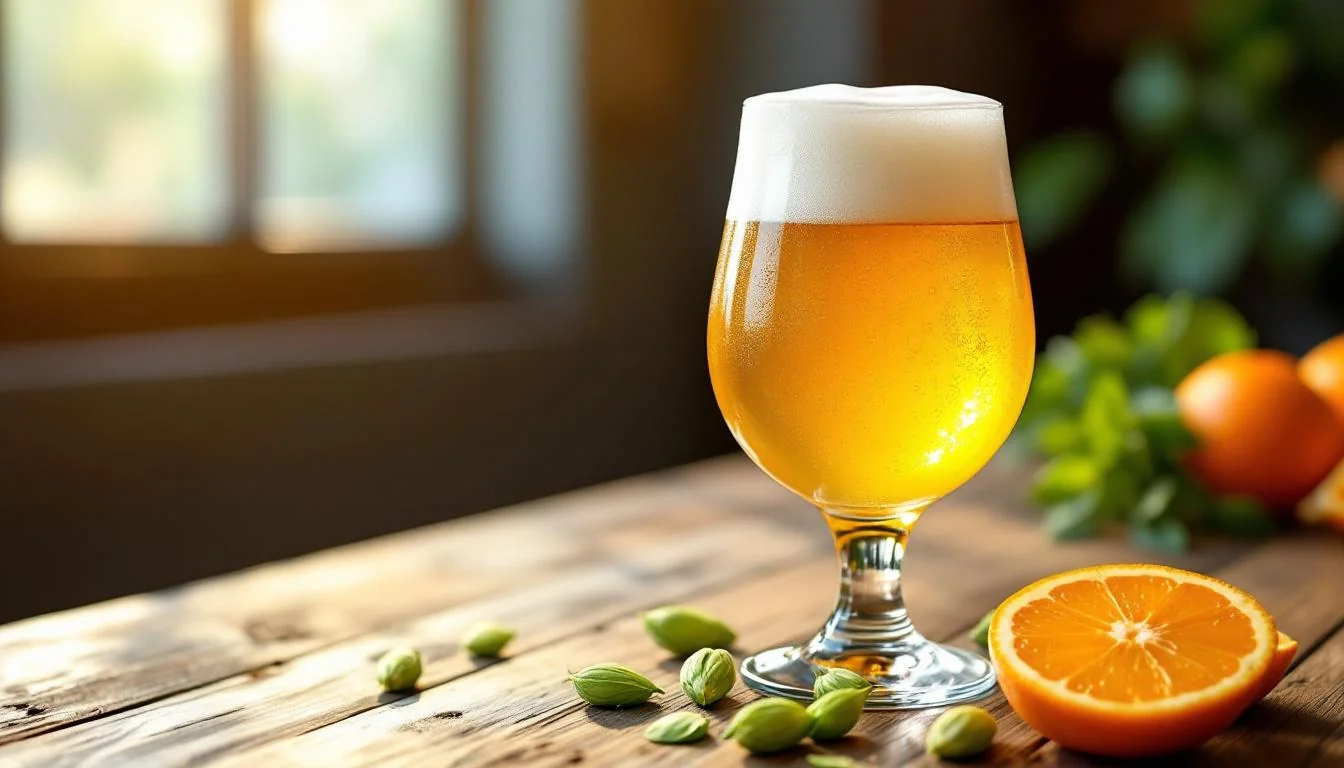
When you pick up an IPA made with Amarillo, start with your nose first. Lift the glass and take a light sniff. If it's Amarillo, you'll immediately recognize the scent of fresh oranges—not sour oranges, but sweet, ripe oranges. There might be a hint of peach or apricot hidden beneath.
When drinking, pay attention to the taste on the tip of your tongue. Amarillo typically offers a subtle sweetness from fruity notes before the bitterness emerges in the middle of the tongue. The bitterness of Amarillo is not harsh—it is soft, rounded, and pleasant.
The aftertaste is where Amarillo shines. After swallowing, the citrus and peach notes linger—not on the tongue, but in the nasal cavity as you exhale. This is what's called retronasal aroma. A good Amarillo IPA will leave a long-lasting aftertaste, inviting you to have another sip.
Next time you come across a bottle of beer with "Amarillo" on the label, take a few extra seconds. Don't drink it right away. Let the beer warm up a bit—around 10-12 degrees Celsius—and the aroma will become more pronounced. And when you do drink it, notice if someone just peeled an orange right next to you.
Sometimes, the best things come from accidents. A strange hop plant sprouted in the middle of a field. A farmer was patient enough to wait. And twenty-five years later, we have Amarillo—a drop of Texas sunshine in a glass of beer.