
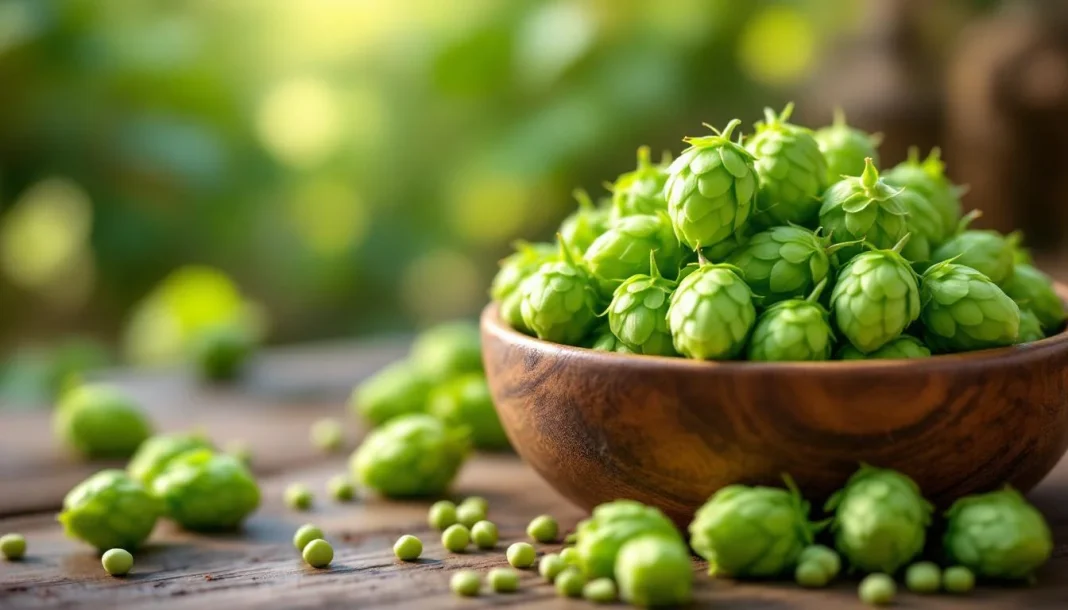
In 1990, when Sierra Nevada released Celebration Ale—one of the first IPAs of the American craft beer wave—they chose a brand-new hop variety that had just been announced. That hop variety was named to commemorate the 100th anniversary of the Washington hop industry: Centennial. Thirty-five years later, Centennial remains the backbone of countless legendary IPAs, from Bell's Two Hearted to the Founders Centennial IPA.
We call it “Super Cascade”—not because it’s more perfect, but because it’s a more intense version of its predecessor. The same citrus flow, but more concentrated. The same clean bitterness, but deeper. Centennial doesn’t replace Cascade. It takes things a step further.
Origin and history
The Centennial story begins with a nearly two-decade-long breeding project at Washington State University, Pullman. In 1974, researcher Charles E. Zimmermann began a program to develop new hop varieties, aiming to create high-yielding, disease-resistant strains that, most importantly, would suit the evolving tastes of American beer.
Centennial is the result of a complex crossbreed. Its pedigree includes Brewer's Gold—an English hop variety developed in the 1930s—along with a wild American hop strain numbered 65009. Added to that are the bloodlines of Fuggle, East Kent Golding, and Bavarian hop. In other words, Centennial carries within it both European heritage and the wild spirit of the Pacific Northwest.
In 1990, Centennial was officially announced under USDA number 21394. The name “Centennial”—meaning “hundred years”—was not accidental. It marked 100 years since the commercial hop industry began in the Yakima Valley, Washington. A name with historical significance.
The Yakima Valley is the heart of the American hop industry. Located east of the Cascade Range, this region boasts a semi-arid climate, long summers with abundant sunshine, and fertile volcanic soil. Approximately 751 TP3T of all hops in the United States comes from here. Centennials were born for this land, and conversely, Yakima provides Centennials with all the conditions for perfect growth.
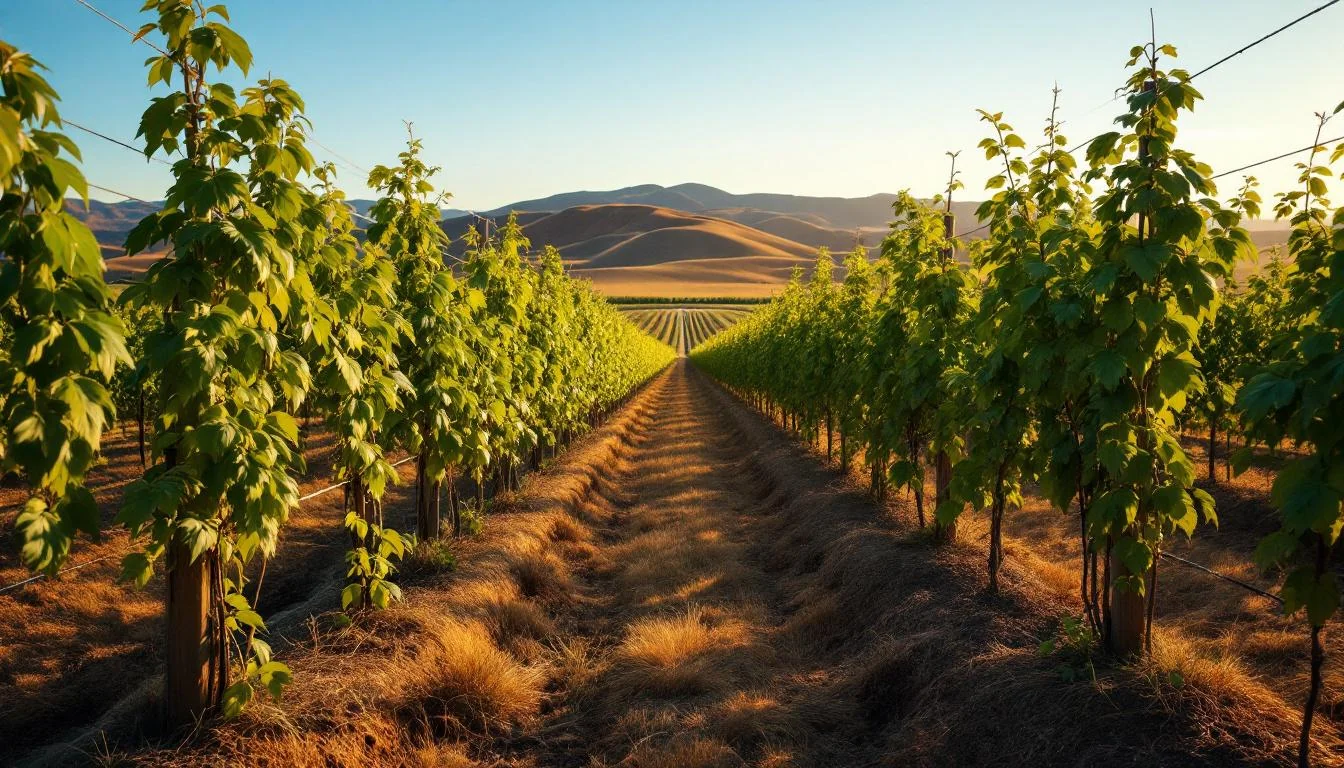
In its early years, Centennial was grown on a modest scale. But when the American craft beer craze exploded in the late 1990s and early 2000s, demand for hop varieties with strong aromas and high bitterness skyrocketed. Centennial met both criteria. By 2010, it had become one of the ten most widely grown hop varieties in the United States.
Interestingly, Centennial was developed as a “dual-purpose” hop variety—providing both bitterness and aroma. However, craft brewers use it most extensively during late-hopping and dry-hopping, where its aroma shines brightest.
Technical specifications
Centennial hops have an alpha acid content ranging from 9.5% to 11.5%, placing them in the medium-to-high bitterness group. This is significantly higher than Cascade hops (typically 4.5-7%), explaining why they are sometimes called "Super Cascade". Beta acid is in the range of 3.5% to 4.5%, resulting in a clean, non-harsh bitterness when used in the early stages of brewing.
The total essential oil content of Centennial is quite impressive, ranging from 1.5 to 2.5 ml per 100 grams of hop. Myrcene is the most abundant, accounting for approximately 45-55%, and is the source of its characteristic citrus and herbal aroma. Humulene, at around 10-18%, provides woody and slightly spicy notes. Caryophyllene, ranging from 5-8%, adds a warm, spicy undertone.
The Centennial harvest season in Yakima Valley typically begins in late August and continues through mid-September. Centennial hop plants are hardy, medium-height, and yield approximately 1,800–2,200 pounds per acre. Centennial has average storage capacity—after six months of storage under ideal conditions, it retains approximately 60–65% of its original alpha-acid content.
Aroma and flavor
You open a Centennial pellet pack. The first scent that hits your nose is orange—not sweet orange, but fresh, squeezed orange peel. There's also lemon, and a hint of ripe grapefruit. This is the citrus layer that Centennial is famous for.
But don't rush. Let the hops rest in your palm for a few seconds, rub them gently, and inhale again. Now you'll notice the second layer of scent—floral. Not rose or jasmine, but a gentle wildflower scent, like standing in a field of wildflowers early in the morning. Some call it the smell of daisies.
The final layer is more subtle. A hint of resin—light pine. A touch of dried herbs, like oregano leaves. And hidden beneath is the scent of damp earth after rain, characteristic of the Pacific Northwest.
When brewing, the Centennial flavor changes depending on when you add it. If added early, you'll get a clean, balanced bitterness with subtle citrus notes. If added during the whirlpool or dry hop stage, the citrus aroma explodes—bright as the California sun. The taste on the tongue is often described as "bitter but not harsh," with a hint of sweetness from the essential oils.
One notable aspect: the Centennial's aroma has depth. It's not as monotonous as some hop varieties that only have a single citrus note. This complexity makes Centennial a perfect candidate for beers that require multiple layers of flavor.
Centennial style beer
American IPA Centennial is the primary playing field for this blend. Bell's Two Hearted Ale—one of America's most highly regarded IPAs—uses 100% Centennial. The Founders Centennial IPA does too. The reason is simple: Centennial provides both bitterness and aroma, meaning you can enjoy it throughout the brewing process without needing to combine it with other varieties.
American Pale Ale is the next choice. With high but not overly strong alpha acid, Centennial creates balanced, easy-to-drink APAs that still have character. Its citrus notes blend well with the Pale and Crystal malts, creating a refreshing taste without overpowering the grain flavor.
Double IPA and Imperial IPA also frequently use Centennial, but rarely on its own. In such high-IBU styles, Centennial is often paired with Simcoe, Citra, or Mosaic to add complexity. It acts as a solid foundation, setting the pace for the more exotic-smelling hop varieties.
One less-mentioned option is American Barleywine and Strong Ale. In these styles... strong beer This Centennial is added at the end to create a light citrus layer, balancing the rich sweetness of the caramel malt. The result is a beer with surprising depth.
Compare to hops in the same group
Cascade is Centennial's closest sibling. Both are citrusy, both are iconic American beers. But the difference lies in intensity and depth. Cascade is lighter, fresher, with a more pronounced grapefruit note. Centennial is bolder, with added floral and resinous layers that Cascade lacks. If Cascade is a glass of freshly squeezed orange juice, Centennial is an orange marmalade—more concentrated and complex.
Columbus (also known as Tomahawk or CTZ) is another interesting comparison. Columbus has a much higher alpha acid content — ranging from 14% to 18% — and a stronger, somewhat rougher aroma than Centennial. If pure bitterness is needed, Columbus wins. But if a balance between bitterness and aroma is required, Centennial is the more refined choice.
Chinook is also often mentioned in the same group. Both are American dual-purpose strains, and both have medium-high alpha acid levels. But Chinook carries more pine and spicy notes, while Centennial leans more towards citrus and floral. Many brewers combine the two to create a multi-dimensional flavor profile — Chinook for depth, Centennial for brightness.
How to recognize when enjoying it
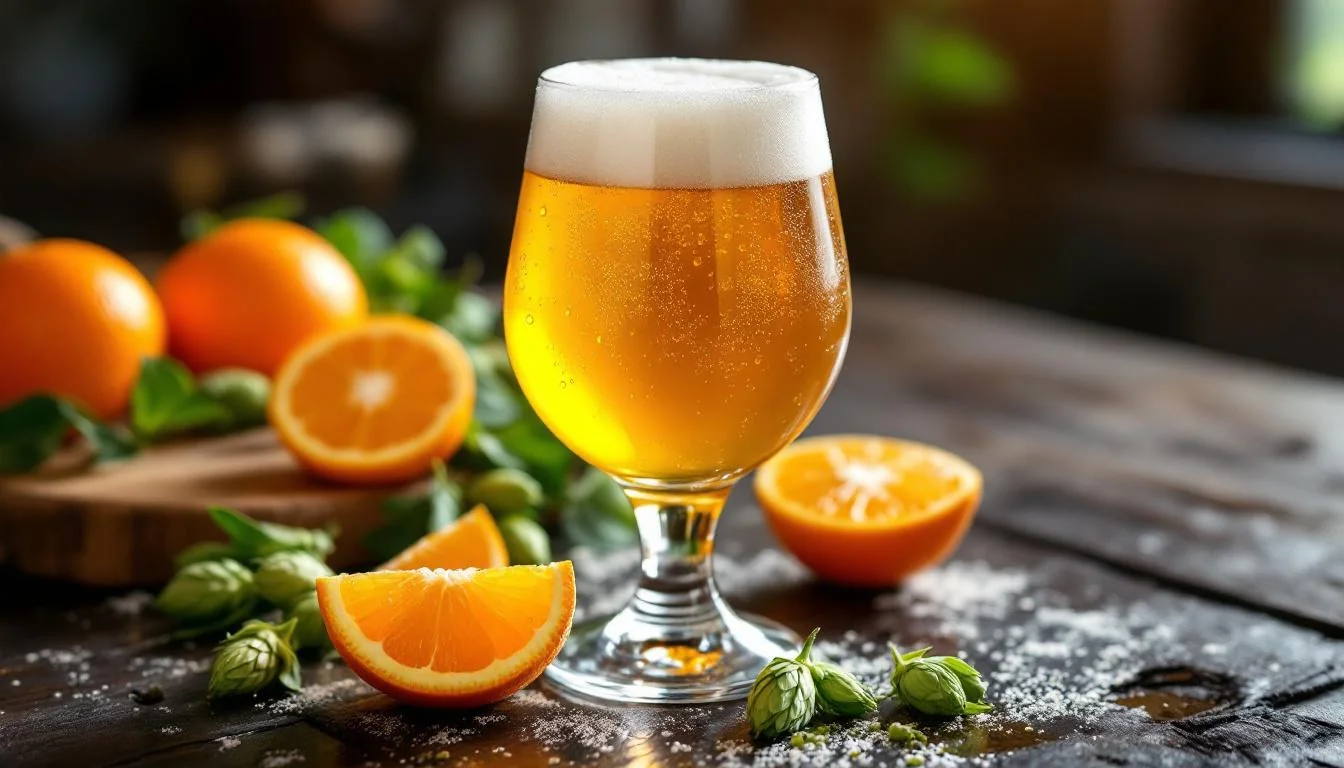
When picking up an IPA made with Centennial, start by bringing your nose to the glass before drinking. The first scent you look for is orange—not artificial orange, but fresh orange peel. If there's a hint of lemon and grapefruit as well, you're on the right track.
With the first sip, pay attention to the bitterness. Centennial produces a clean bitterness that originates in the middle of the tongue and spreads to the sides. It's not harsh or irritating to the throat. If you find the bitterness rough or unpleasant, it may be a different variety of hop.
The aftertaste is where Centennial shows its depth. After swallowing, wait a few seconds. You'll notice a slight sweetness—that's the lingering aftertaste of the essential oils—and a subtle wild flower aroma in your throat. The aftertaste is medium-lasting, not too short but not persistent either.
If you drink a bottle of Bell's Two Hearted, you're experiencing Centennial in its purest form. Everything you taste—from the initial citrus notes to the subtle floral aftertaste—comes from a single hop variety. That's the best way to understand what Centennial is.
There's no need to rush with beer. And a hop variety called "centennial" reminds us that truly worthwhile things often take time to settle.