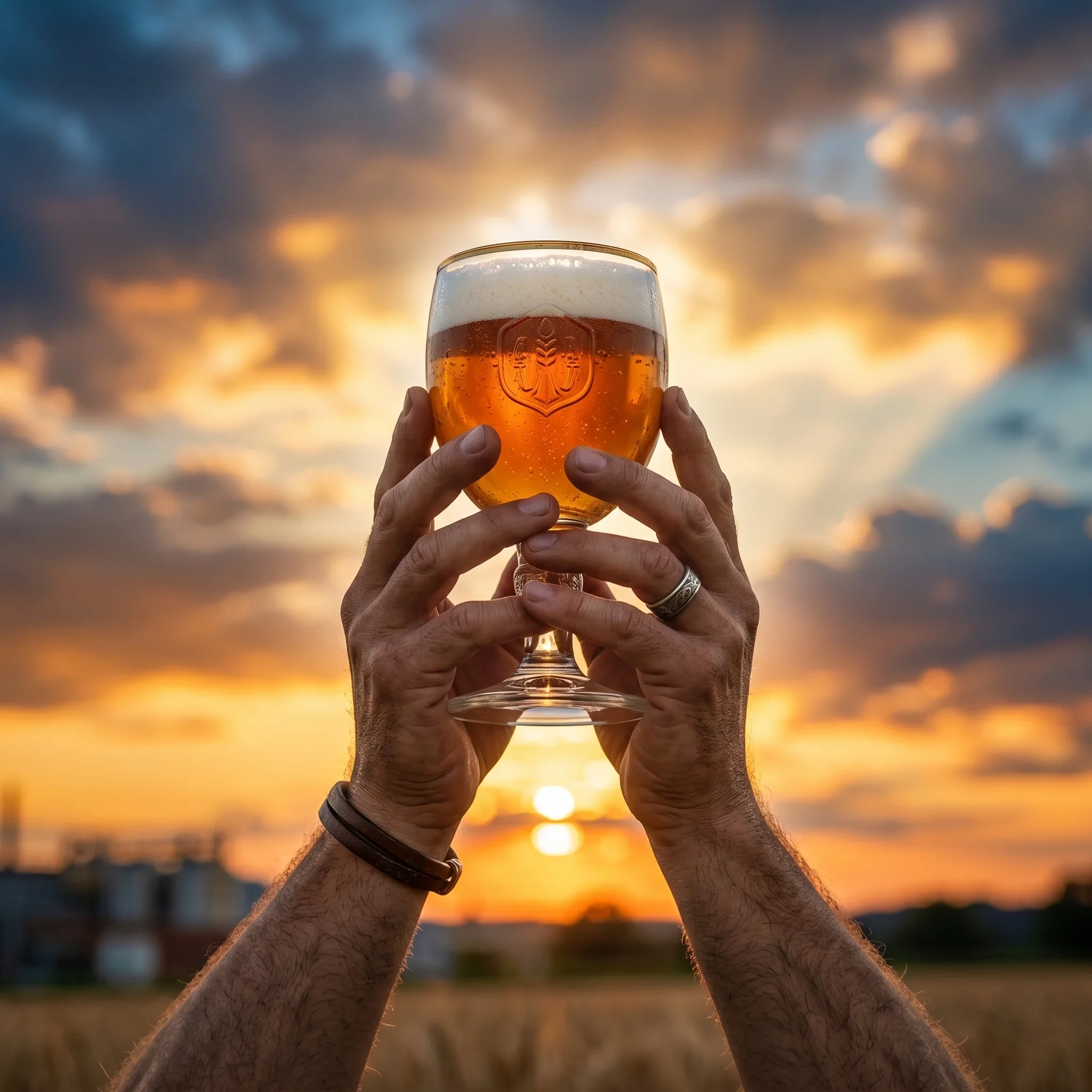
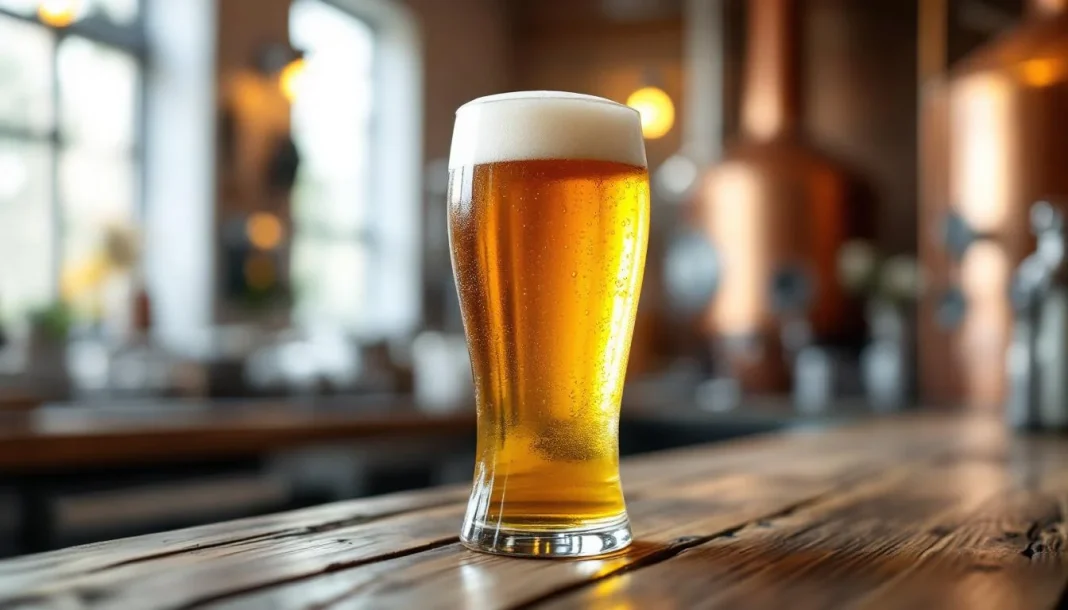
Some great things don't want to be seen. Wyeast 1056 is one of them. This yeast strain has shaped an entire modern American beer culture, yet it chooses to remain in the background—quiet, humble, almost invisible.
In the world of brewer's yeast, where many strains compete to showcase fruit esters or pungent phenols, Wyeast 1056 chooses clarity. It doesn't speak. It listens. And it is precisely because of this silence that the malt and hops have the space to speak.
The moment that shaped a movement.
In the early 1980s, the American craft beer movement was in its infancy. Home brewers were searching for a reliable yeast strain—something that could ferment cleanly, leave no strange flavors, and be robust enough to withstand the imperfect fermentation conditions of homebrew.
Dave Logsdon, founder of Wyeast Laboratories in Hood River, Oregon, spent years collecting and isolating yeast strains from renowned breweries. He understood that yeast is not just a tool—it's the soul of beer. And he needed a soul that could adapt to any circumstances.
In 1986, Wyeast officially introduced 1056 American Ale. This yeast strain quickly became the gold standard. Not because it did anything extraordinary, but because it did exactly what it was supposed to do—perfectly.
The first Pale Ales from the Sierra Nevada, the bold IPA experiments in San Diego, the rich American Amber Ales from the Pacific Northwest — all bear the mark of 1056. Or rather, all are clear enough to see the hops and malt, not the yeast.
History and origins
The story of Wyeast 1056 begins not in a sterile laboratory, but in America's decades-old breweries.
Chico lineage
In the brewing world, this yeast strain is known as the “Chico strain”—named after the city of Chico, California, where Sierra Nevada Brewing Company is headquartered. Ken Grossman, the founder of Sierra Nevada, has used this strain since its early days in 1980.
But the yeast strain didn't originate in Chico. It comes from the Ballantine Brewing Company in Newark, New Jersey—one of the largest breweries in America in the early 20th century. Ballantine is famous for its India Pale Ale, and their yeast strain has been passed down from generation to generation.
When Ballantine closed in 1972, the yeast strain seemed lost. But in the world of brewing, valuable things don't disappear easily. Yeast samples were preserved, passed down, and eventually found their way to America's first craft breweries.
Wyeast and the standardization process
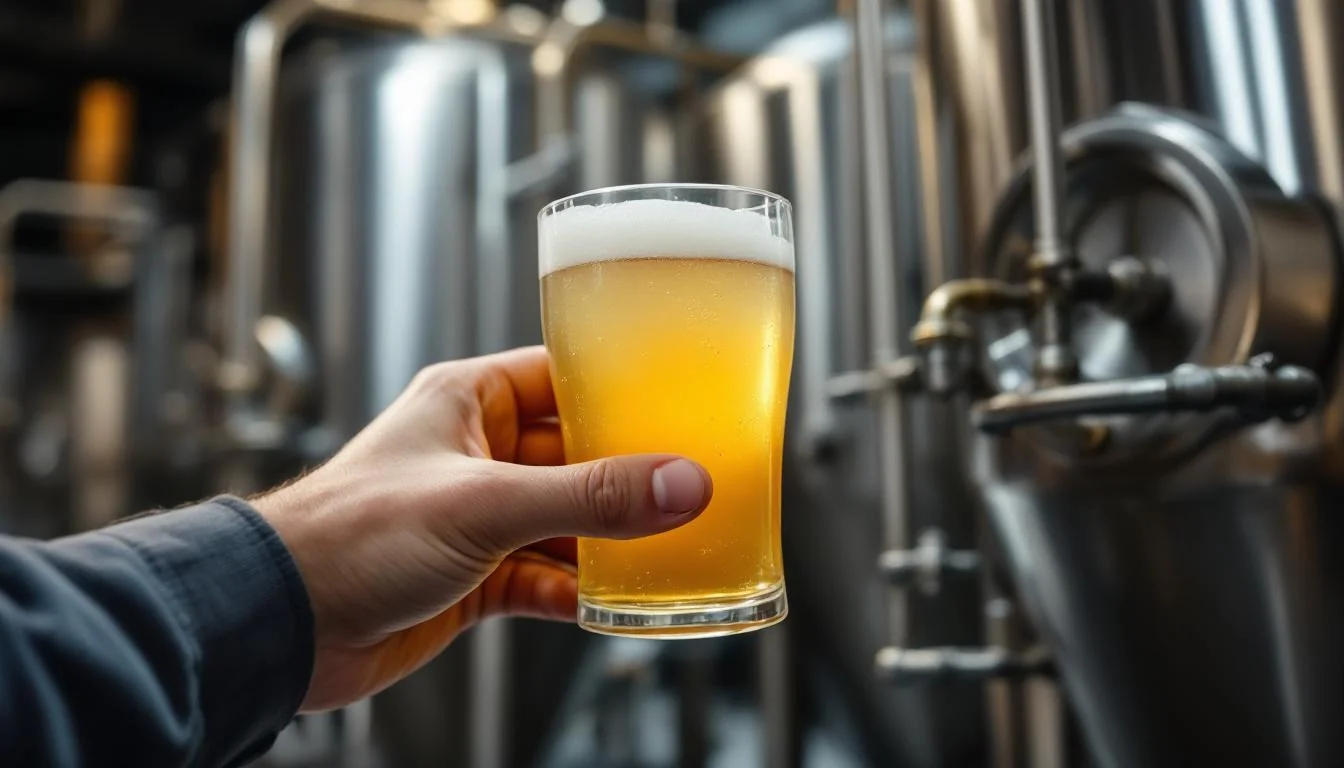
Dave Logsdon founded Wyeast Laboratories in 1986 with a mission: to provide high-quality yeast to homebrewers and craft brewers. He sources yeast strains from various suppliers, isolates them under controlled conditions, and packages them using his proprietary “smack pack” technology—pre-activated yeast pouches.
1056 American Ale was one of the first products. Logsdon chose this strain for its versatility and reliability. In his laboratory at Hood River, he refined and stabilized the yeast strain, ensuring that each package delivered consistent results.
It's worth noting that Wyeast 1056, White Labs WLP001, and Safale US-05 are all considered to be the same strain of yeast — the “Chico strain.” They aren't exactly the same due to differences in cultivation and storage processes, but their basic characteristics are similar. The popularity of this strain makes it the most widely used ale strain in the world.
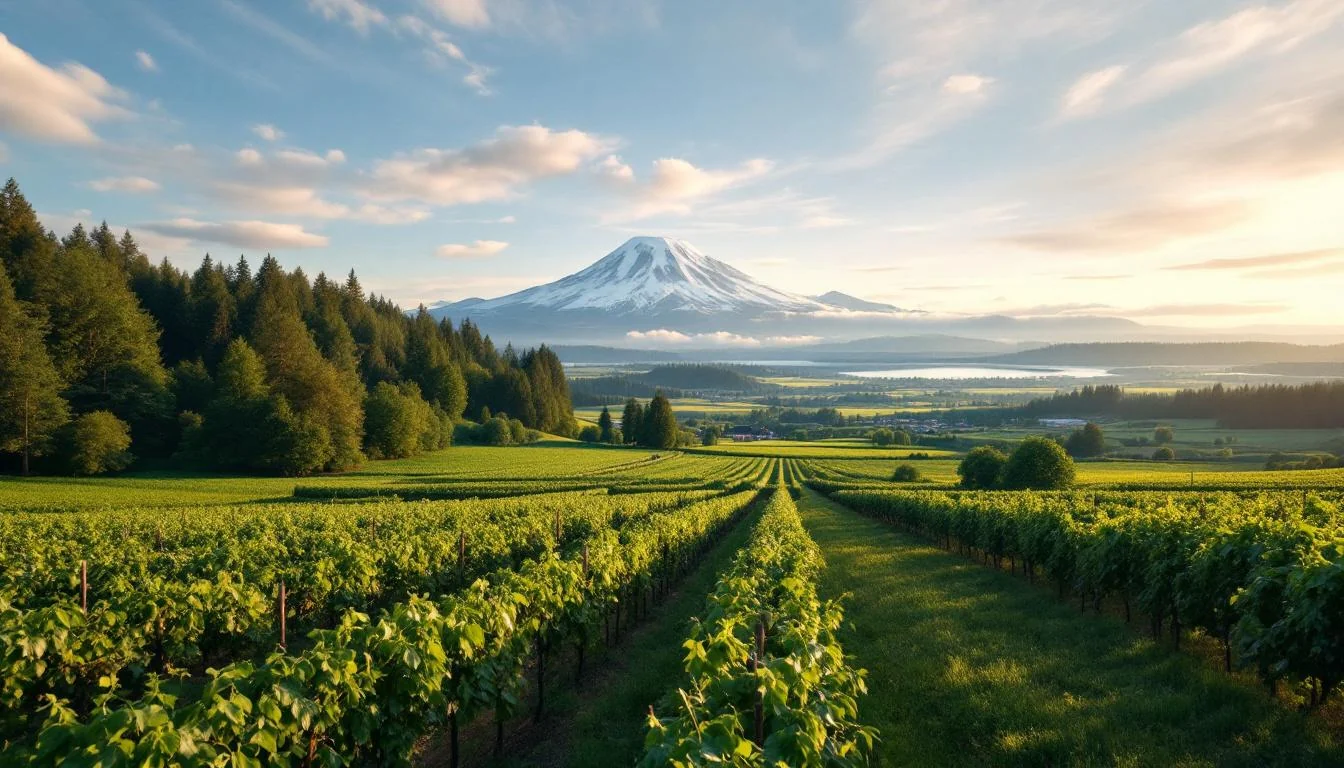
Hood River, where Wyeast is headquartered, lies within the Columbia River Gorge valley—a region renowned for its clean water from the melting snow of Mount Hood. Perhaps it's no coincidence that a yeast strain famous for its purity originated in such a pristine environment.
Biological characteristics
Wyeast 1056 belongs to the species Saccharomyces cerevisiae, This is the ale branch of the brewer's yeast family. This is a top-fermenting yeast species that operates at higher temperatures than lager yeast and produces the characteristic flavor compounds of ale beer.
The ideal fermentation temperature is between 15-22°C, with the optimal range being 18-20°C. At lower temperatures, yeast fermentation is slower and produces a cleaner profile. At higher temperatures, esters begin to appear—gently, like a thin layer of mist on the beer's surface.
The sedimentation rate of 1056 is medium to low. The yeast doesn't flocculate as strongly as some English strains, meaning the beer needs time to settle or may need filtering if high clarity is desired. This characteristic suits the American Ale style, where clarity isn't the top priority.
The 1056 strain has a high fermentability, with an apparent attenuation of 73-77%. This strain consumes most of the fermentable sugars, leaving the beer dry and crisp. Final gravity is typically low, resulting in a light mouthfeel even if the initial gravity is high.
The 1056's alcohol tolerance is approximately 9-111 TP3T ABV — sufficient for most common ale styles, but caution is needed when brewing strong beers like Barleywine or Imperial Stout. In those cases, a high pitching rate and adequate yeast nutrition are necessary.
Flavor and character
If I had to use one word to describe 1056, it would be "selfless." This yeast strain has no ego. It doesn't want you to remember it. It wants you to remember the beer.
Intentional clarity
The flavor profile of 1056 is almost neutral. There are no banana esters from German yeast, no clove phenols from Belgian yeast, and no heavy bread notes from English yeast. What remains is a clean foundation — like a blank sheet of paper waiting for an artist.
At standard fermentation temperatures (18-20°C), 1056 produces a very light amount of green apple ester—almost imperceptible unless concentrated. This isn't a flaw; it's depth. A little complexity hidden beneath a simple surface.
When the temperature rises above 21°C, the esters start to become more pronounced. Some people like this — it adds a light fruity layer to the beer. Others keep the temperature low to achieve maximum clarity. Both are correct. That's the versatility of the 1056.
Let the hops and malt speak.
The best thing about 1056 is that it disappears. In a West Coast IPA, you won't find yeast—you'll find Cascade, Centennial, Simcoe. In an American Amber, you'll taste caramel and biscuit notes from the malt, not a yeast aftertaste.
This is the philosophy of modern American beer: the ingredients are the stars, the yeast is the stage. A good stage goes unnoticed—it just makes the actors shine. 1056 is the perfect stage.
In terms of mouthfeel, 1056 produces a beer with a light to medium body and a dry finish. There is no viscosity or lingering sweetness. This suits American tastes — who appreciate sharpness, high drinkability, and the ability to drink a lot without getting tired of it.
Typical beer style
Wyeast 1056 is the most versatile yeast strain in the ale world. It's not tied to a single style—it shapes entire beer cultures.
American Pale Ale and IPA
This is the home ground of 1056. American IPA And Pale Ale relies on hops—American hop varieties with citrus, pine, and tropical notes. For the hops to truly stand out, the yeast has to recede. 1056 does that perfectly.
Sierra Nevada Pale Ale, arguably the most important beer in American craft beer history, is brewed with this strain. Cascade hops release grapefruit and pine notes on a light caramel malt base — and the yeast doesn't get in the way.
West Coast IPAs push this philosophy to the extreme: bitterer, hop-forward, drier. The 1056, with its high fermentation capacity, produces a thin body and sharp finish, resulting in a clean, undiluted bitterness.
American Amber and Brown Ale
In malt-forward styles like Amber and Brown Ale, 1056 allows the caramel, toffee, and chocolate notes from the specialty malt to be clearly perceived. No competing esters, no masking phenols. Just pure malt.
Blonde Ale and Cream Ale
These light styles demand exceptionally clean yeast. Any imperfections are revealed in beers with low gravity and a light color. 1056 provides the perfect foundation — light, easy to drink, nothing to complain about.
Hybrid and experimental beers
When brewers want to experiment with new ingredients—unusual hops, special malts, adjuncts like fruit or spices—they often choose 1056. Because it doesn't add variables. It's the control. Any changes in the beer come from the ingredients, not the yeast.
Geographic region and terroir
Wyeast 1056 is a product of America — not in a purely geographical sense, but in a cultural sense.
Pacific Northwest — the birthplace of craft beer
Oregon and Washington are the heart of the American craft beer movement. The region grows over 70% of the country's hops, in the Yakima and Willamette valleys. Soft water from the Cascade Mountains, a mild climate, and a vibrant homebrew community create the perfect environment for craft beer development.
Wyeast is based in Hood River, Oregon — in the heart of the region. Unsurprisingly, their flagship yeast strain reflects the region's philosophy: respect the ingredients, let the hops speak for themselves.
California — IPA laboratory
From the Sierra Nevada in Chico to Stone in San Diego, California, American IPA is shaped here. 1056 (and its variations) is the default yeast strain. Brewers here don't want yeast to compete with hops—they want yeast to serve hops.
San Diego, with over 150 craft breweries, is known as the “IPA capital.” Most of them use some version of the Chico strain. This isn’t laziness—it’s respect for tradition.
Globalization of Neutrality
Today, 1056 is used all over the world — from Japan to Australia, from Scandinavia to Vietnam. Wherever a craft brewer wants to make an American-style ale, 1056 is the first choice.
Interestingly, a yeast strain with "no personality" has become representative of an entire beer culture. Perhaps that's the American character—practical, adaptable, unpretentious.
How to recognize when enjoying it
Recognizing 1056 in beer is a paradox — you recognize it without recognizing it.
When raising a glass of American Pale Ale or IPA, pay attention to the clarity of the hop aromas. If you smell orange, grapefruit, pine, and mango without anything interfering—no banana esters, no clove phenols, no heavy bread aftertaste—that's a sign of a neutral yeast like 1056.
On the tongue, look for a dry, clean finish. The bitterness should be clean and not lingering. The body should be light to medium, not viscous. If, after swallowing, your mouth feels clean and ready for the next sip — then 1056 is working.
In malt-forward styles like Amber Ale, look for the purity of caramel and toffee. No masking fruit flavors, no lingering sweetness from lazy yeast. Just malt, clear and honest.
There's an art to disappearing. Wyeast 1056 has done just that for nearly four decades—quietly, patiently, perfectly. The next time you pick up your IPA, take a moment to appreciate the invisible yeast that's carrying everything you're savoring.