
In 2010, a bottle of Heady Topper from The Alchemist's small brewery in Vermont reached the drinker. They opened it. The aroma of ripe mango rose up, as if someone had just sliced tropical fruit right in front of their nose. No one was prepared for that. Industrial lager beer had taught generations that beer had a bland, grainy taste, a metallic bitterness, and that was it. But this bottle—cloudy golden, intensely aromatic—said something completely different.
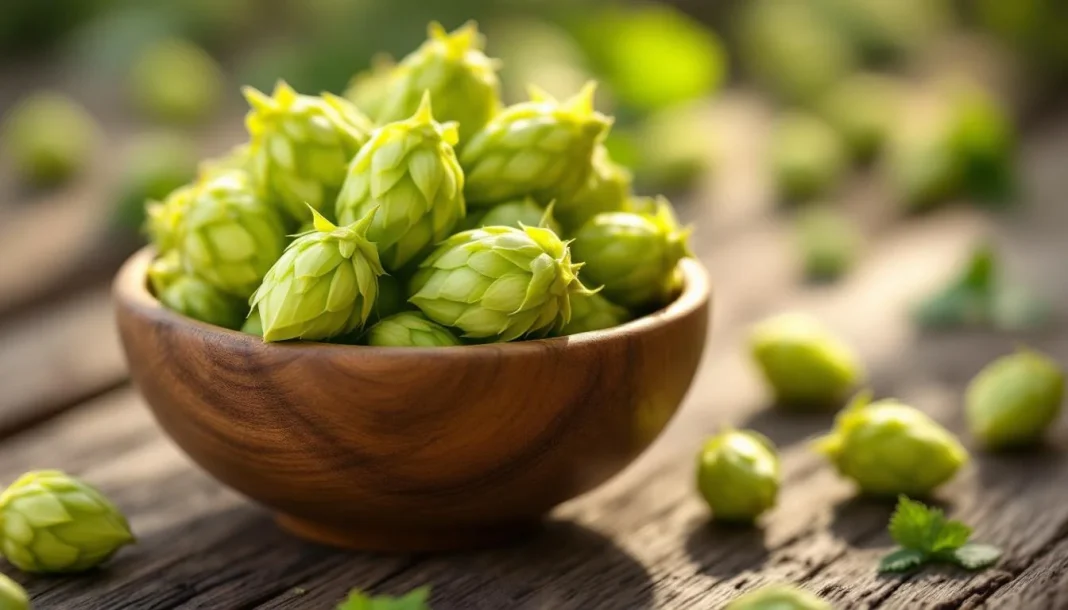
The secret ingredient? A new hop variety that was commercially released three years ago: Citra. The name comes from the Latin for "citrus fruit." But Citra is more than just citrus. It has mango. It has passion fruit. It has guava. It even has lychee notes when used correctly. This isn't hop—this is a revolution nestled in green buds.
Today, Citra is the most sought-after hop variety in the craft beer world. Breweries line up to place orders year after year. It commands a higher price than most other varieties. And in every poll of the best IPAs, bottles made with Citra consistently dominate. Let's find out why.
Origin and history
Citra didn't appear by chance. It's the result of a breeding program spanning over two decades, beginning in 1990 at the research center of the Hop Breeding Company—a joint venture between John I. Haas, Inc. and Select Botanicals Group. Location: Yakima Valley, Washington, the largest hop-growing region in the United States.
The man behind Citra was the breeder Gene Probasco. He crossbred pollen from many different varieties, searching for something new. Citra's original experimental code was HBC 394. The lineage was complex: Hallertauer Mittelfrüh (Germany), Tettnanger (Germany), East Kent Golding (England), Brewer's Gold (England), and half unknown. This German-English combination resulted in something completely unlike anything European.
From 1990 to 2007, HBC 394 underwent countless rounds of testing. Planting trials. Harvesting. Oil analysis. Cooking trials. Tasting trials. Hundreds of other candidates were eliminated. HBC 394 survived for one reason: its aroma was so unique, unlike anything that had ever existed.
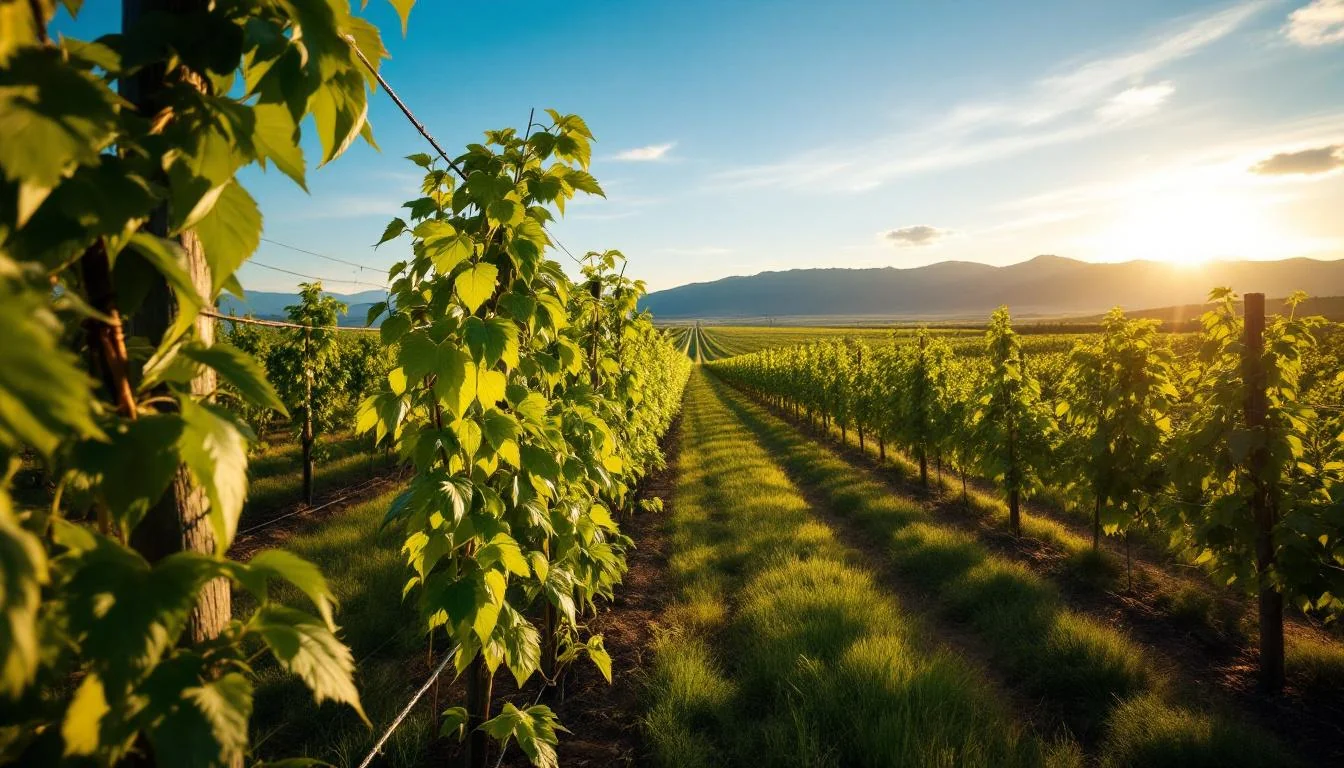
The Yakima Valley is no accident the hop capital. Located at an altitude of 300 meters, the valley enjoys a semi-arid climate with 300 sunny days a year. Summers are hot and dry, nights are cool, and the volcanic soil is rich in minerals. Irrigation water comes from the Yakima River, flowing down from the Cascade Mountains. All of this creates the perfect conditions for Humulus lupulus—the hop plant—to thrive.
In 2007, Hop Breeding Company officially launched Citra to the market. In 2008, the first commercial batches of beer appeared. In 2009, the craft beer community began to buzz. In 2010, with Heady Topper and later Zombie Dust by 3 Floyds, Citra became a phenomenon.
By 2024, Citra was the third-largest hop variety planted in the U.S., after Cascade and Centennial. However, in terms of supply versus demand, Citra remained scarce. Large breweries like Sierra Nevada, Stone, and Firestone Walker had to sign long-term contracts to secure supplies. Smaller breweries often had to wait or pay higher prices.
Technical specifications
Citra belongs to the "dual-purpose" hop group — it provides both bitterness and aroma. However, in reality, most brewers use Citra primarily for its fragrance.
The alpha acid content ranges from 11% to 13%, high enough to create effective bitterness if needed. Beta acid is lower, around 3.5% to 4.5%. This high alpha/beta ratio means the bitterness is "clean," not harsh or unpleasantly lingering.
But what makes Citra special lies in its aromatic oils. The total oil content ranges from 2.2 to 2.8 ml per 100 grams — very high compared to the average. Of this, myrcene accounts for 601 TP3T to 651 TP3T, giving it a tropical and herbal scent. Geraniol — usually low in other varieties — reaches 0.31 TP3T in Citra, creating rose and lychee notes. Linalool is around 0.51 TP3T to 11 TP3T, giving it a light citrus and lavender scent.
The Citra harvest season runs from late August to mid-September. Timing is crucial: harvesting too early means the oil hasn't fully matured, while harvesting too late reduces alpha acid levels and the aroma begins to change. Yakima Valley farmers monitor the process daily, taking samples continuously to select the right time.
Aroma and flavor
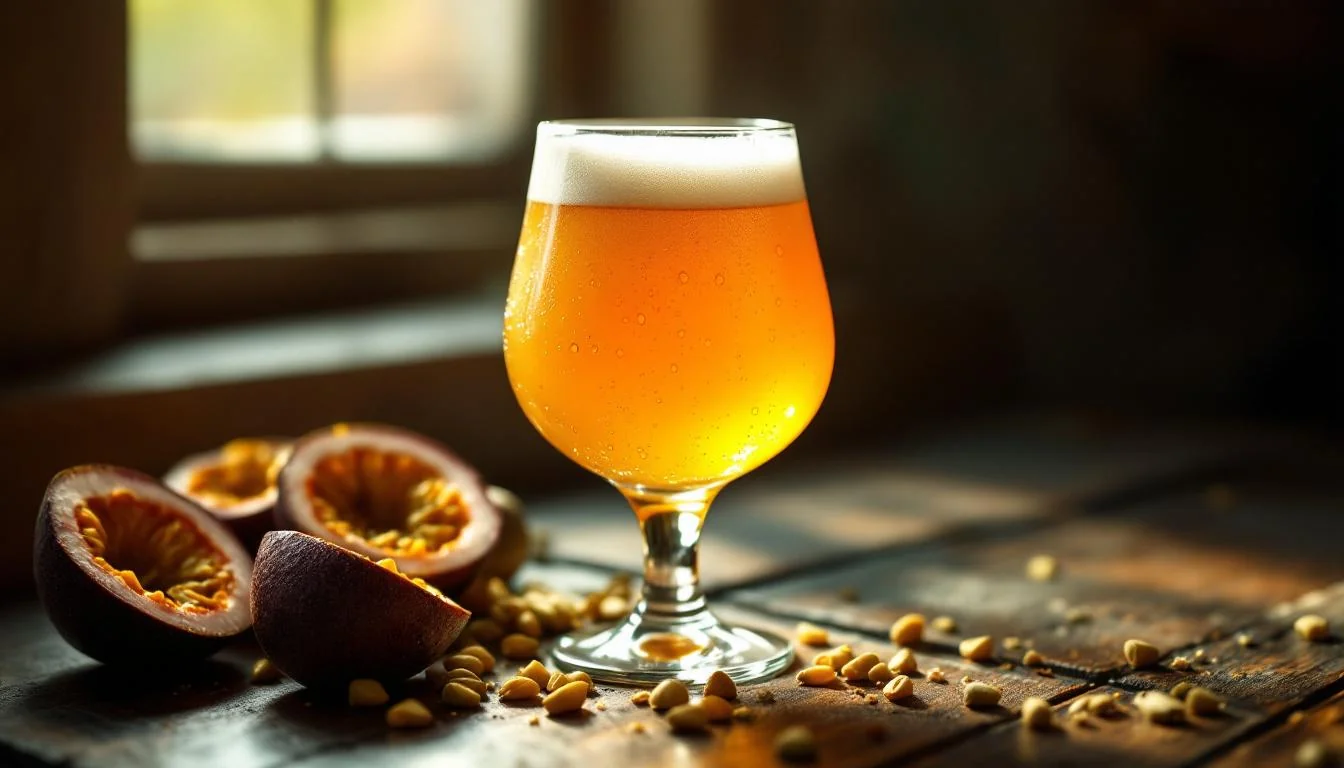
Open a bottle of Citra IPA. Bring it to your nose. First, mango—ripe, sweet mango, like standing in a tropical fruit market. Then passion fruit, slightly sour, refreshing. Then guava. Then pink grapefruit. All blended together yet distinct, like listening to a symphony but still discerning each instrument.
At a deeper level, Citra has a lychee-like scent—sweet, slightly floral, elusive. Some people detect the smell of ripe cantaloupe. Others see starfruit. This is not an illusion—the aromatic oils in Citra contain many compounds identical to those found in these fruits.
During cooking, Citra hops change depending on when they are added. Adding them at the beginning of the boiling process causes most of the aromatic oils to evaporate, leaving only the bitterness. Adding them at the end—called a “late addition”—retains the aroma but still retains a slight bitterness. Using the “dry hopping” technique—soaking the hops in fermented beer—preserves the most original aroma.
The bitterness of Citra is smooth, not harsh. The finish is long but pleasant, leaving a sensation of ripe fruit and a very subtle hint of resin. There are no metallic or grassy notes like some other varieties.
Interestingly, Citra pairs well with almost every other hop variety. Pair it with Mosaic, the berry notes are enhanced. Pair it with Simcoe, the pine and citrus notes stand out. Pair it with Australian Galaxy, the peach and passion fruit notes explode. This is why Citra appears in countless recipes — it “plays” well with everyone.
Beer style using Citra
Citra was born for IPA world. American IPA, West Coast IPA, New England IPA — they all love Citra.
New England IPA (NEIPA / Hazy IPA)
This is perhaps the style that best embodies Citra. NEIPA, with its characteristic opacity, soft body, and low bitterness, is the perfect stage for Citra's aromas. The aggressive dry hop technique—sometimes up to 15-20 grams per liter—transforms the beer into an alcoholic fruit juice. Heady Topper, Tree House Julius, Trillium Congress Street—all build upon Citra.
West Coast IPA
This style is clearer, more bitter, drier. The citra here is more restrained, but the tropical notes still seep through. Plantations like Stone, Ballast Point, and Green Flash use citra to balance the high bitterness with an accessible aroma.
Pale Ale
With less alcohol than IPA, a Pale Ale made with Citra is a "session" choice — you can drink a lot without getting drunk. The aroma is still full, but the body is lighter and easier to drink. Sierra Nevada Tropical Torpedo is a prime example.
Double/Imperial IPA
When a brewer wants to push things to the extreme—high alcohol, lots of hops, strong aroma—Citra is a safe bet. Its aroma is strong enough not to be overwhelmed by the malt and alcohol. Russian River's Pliny the Elder, despite using many hop varieties, still includes Citra in its recipe.
Compare to hops in the same group
Citra belongs to the "New American Hops" group—varieties that emerged in the 2000s, characterized by strong tropical and fruity aromas. Its two closest relatives are Mosaic and Simcoe.
Mosaic (HBC 369)
Created alongside Citra, Mosaic leans more towards berry notes—blueberry, blackberry, sometimes raspberry. It still has tropical notes, but less so than Citra. Mosaic is more complex, more elusive. Many brewers combine both: Citra for the nose, Mosaic for the depth.
Simcoe
Launched in 2000, Simcoe is more mature. Its dominant notes are pine, earth, and grapefruit — "dank" as craft beer enthusiasts call it. Less sweet than Citra, rougher, and more powerful. If Citra is tropical fruit, Simcoe is the Pacific Northwest pine forest.
Galaxy (Australia)
Not an American hop, but Galaxy is often compared to Citra. Galaxy has a distinctive peach, passion fruit, and slightly metallic scent. Many NEIPA combine Citra and Galaxy to create the ultimate "fruit bomb.".
Of these three varieties, Citra is the most balanced—strong enough to stand out, yet smooth enough to drink. That's why it's more popular.
How to recognize when enjoying it
When holding an IPA and wanting to know if it's Citra, start with the nose. Ripe mango is the first sign — not the sour green mango, but a sweet, almost mushy ripe mango. Then look for passion fruit — a tangy, slightly pungent sourness. If both are present, it's highly likely to be Citra.
When drinking, pay attention to the bitterness. Citra has a "clean" bitterness — it comes quickly, goes quickly, and doesn't linger unpleasantly. The aftertaste will be tropical fruit, possibly slightly resinous but not harsh.
Temperature is important. Citra is best appreciated at 7-10°C. Too cold, and the aroma is suppressed. Too warm, and the alcohol is overpowered. Pour into a glass, wait two minutes, and then bring to your nose.
And remember: Citra rarely goes it alone. Most IPAs using Citra are paired with other varieties. But Citra's distinctive mango-passion fruit notes are always recognizable, like the lead vocalist in a band.
Next time you open an IPA, slow down. Don't rush to drink. Let your nose guide you. Citra took 17 years to go from the lab to our glass of beer. Taking a few seconds to listen to what it tells you isn't a big deal.