
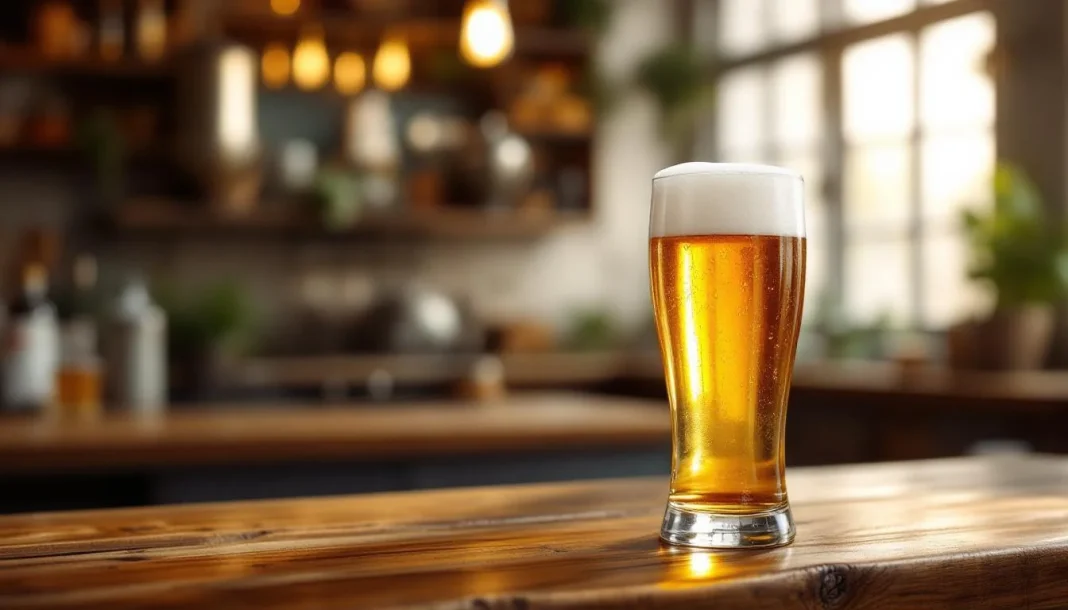
There are things we drink without thinking about them. Pilsner is one of them. A golden glass of beer, with a smooth white head and a mild bitterness—so familiar it's almost imperceptible. But behind that clarity lies a yeast strain that has been preserved for nearly two centuries, from the cold limestone cellars of Bohemia to the modern laboratory in San Diego.
WLP800 is not a yeast for the hurried. It demands low temperatures, long brewing times, and patience. In return, it gives beer something few yeasts can: silence. No flamboyant fruit esters, no pungent phenols — only malt, hops, and water, allowed to speak.
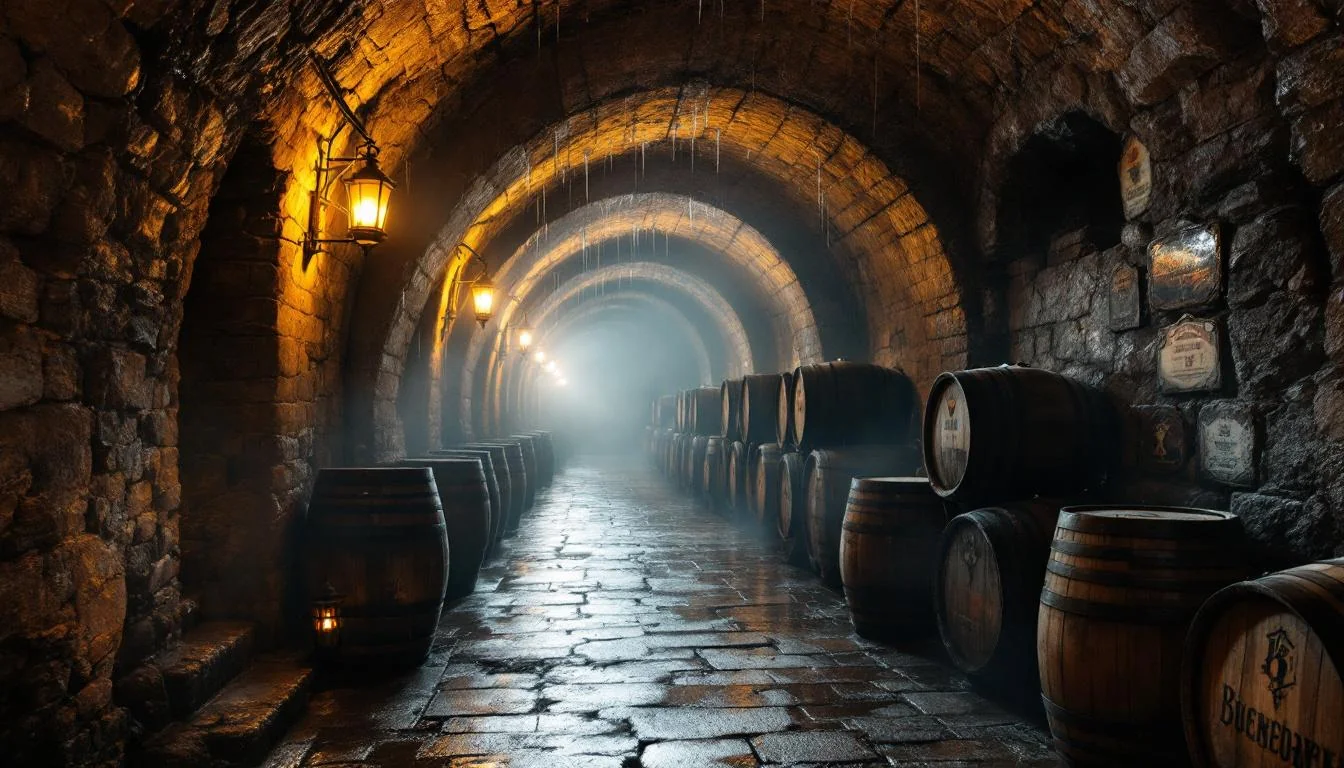
Originating from the Plzeň rock caves
In 1842, the city of Plzeň (Pilsen) in the Bohemia region of the Austrian Empire witnessed a revolution. Josef Groll, a Bavarian brewmaster, was invited to create a new beer for the Bürgerliches Brauhaus—a newly established citizen brewery. He brought with him Bavarian cold fermentation techniques, combined with pale Moravian malt, fragrant Saaz hops, and the region's characteristic soft water.
But the most important thing Groll brought with him was the yeast. The Saccharomyces pastorianus strain he used had been cultivated and selected over generations at Bavarian breweries. When brought to Bohemia and fermented in natural limestone cellars maintaining a temperature of 7-13°C year-round, this yeast strain produced a beer unlike any other: crystal clear, golden like honey, with a full-bodied malt flavor and an elegant bitterness.
Pilsner Urquell was born. And the world of beer was never the same again.
White Labs' WLP800 is isolated from this very traditional yeast strain. Chris White, the founder of White Labs, collected yeast samples from Czech breweries during research trips in the early 1990s. The goal was clear: to preserve and provide homebrewers and craft brewers with an authentic yeast strain that could replicate the characteristics of the original Bohemian Pilsner.
Unlike many commercial lager yeasts that have been "tamed" for faster and cleaner fermentation at higher temperatures, WLP800 retains its "classic" character: slow, selective, but rewarding.
The Biology of Patience
WLP800 belongs to the species Saccharomyces pastorianus — the result of a natural hybridization between S. cerevisiae (ale yeast) and S. eubayanus (wild yeast from Patagonia, identified in 2011). This hybridization occurred approximately 500-600 years ago in Bavarian breweries, when cold temperatures allowed S. eubayanus to adapt and combine with local yeasts.
The ideal fermentation temperature for WLP800 is between 10-13°C, significantly lower than that of conventional ale yeast (18-22°C). At this temperature, fermentation is slow—typically 2-3 weeks for primary fermentation, followed by an additional 4-8 weeks of lagering at 0-4°C. In total, a batch of beer using WLP800 can take 2-3 months from brewing to drinking.
The flocculation of WLP800 is average. The yeast doesn't clump too quickly, so it continues to function well during the lagering phase, but it settles sufficiently to create natural clarity without extensive filtration. The attenuation rate is 70-77%, meaning the yeast consumes most of the fermentable sugars, leaving a beer with a medium body and moderate sweetness.
An important characteristic: WLP800 produces a high amount of sulfur in the early stages of fermentation. The faint rotten egg smell might be concerning for beginners, but this is normal. The sulfur will completely evaporate during the lagering process — another reason why you shouldn't rush with this yeast.
The taste of restraint
If men ale is the opera singer with dazzling high notes, then the WLP800 is the chamber music artist—restrained, refined, and knowing when to be silent.
The most distinctive characteristic of the WLP800 is its full, almost "soft" malt profile. Unlike German lager yeasts which tend to be dry and crisp, the WLP800 leaves a light malt cushion, giving it a fuller body despite having a similar final gravity (FG). This is what differentiates German Pils from Czech/Bohemian Pils.
Ester production is extremely low at the correct fermentation temperature. There are no banana, apple, or pear aromas—flavors often found in ale yeasts. Instead, WLP800 creates a “blank canvas” for the malt and hops to express themselves. With European Pilsner malt, the aromas lean towards fresh bread, crackers, and a hint of honey. With Saaz hops, you’ll perceive the characteristic spicy-herbal-floral notes without the ester interfering.
There is a subtle diacetyl presence that some tasters detect in the early stages of beer production—a light, almost creamy, buttery aroma. This isn't a fault if present in low amounts, but rather a characteristic of the yeast strain. Lagering for a sufficient length of time (at least 4 weeks near 0°C) will allow the yeast to clear this diacetyl. Diacetyl rest—the stage of raising the temperature to 15-18°C for 2-3 days after the main fermentation is complete—is a crucial step that should not be skipped.
The finish of beers brewed with WLP800 is typically smooth, with a hint of lingering malt sweetness, followed by hop bitterness. This is a complete contrast to German Pils, where bitterness is dominant and the finish is dry.
The beer styles associated with
The WLP800 was created for Bohemian Pilsner — or Czech Premium Pale Lager according to the current BJCP classification. This is the style of beer. light lager The original, the source of most industrially produced lager beer in the world, although the original is far more profound and complex than what mass-market versions have simplified.
Czech Pale Lager (Světlý Ležák) at 4.0-5.5 % ABV is where WLP800 shines brightest. Here, the balance between Bohemian Pilsner malt, Saaz hops (or similar noble hops), and the smooth character of the yeast creates a harmonious whole. Pilsner Urquell, Budvar (Budějovický Budvar, not American Budweiser), and Staropramen are classic examples.
Czech Amber Lager (Polotmavý Ležák) also pairs well with WLP800. Adding a small amount of Munich malt or Viennese malt gives the beer an amber color and a light caramel aroma, while maintaining a clean profile thanks to the yeast. This style is less well-known outside of the Czech Republic, but it's worth a try.
Some adventurous brewers use WLP800 for Vienna Lager or Munich Dunkel. The result isn't "authentic" in the historical sense (these two styles are associated with Bavarian yeast), but it creates an interesting interpretation — a softer, less dry malt profile compared to using WLP830 (German Lager) or WLP833 (German Bock).
WLP800 is not suitable for styles requiring an extremely dry finish like Helles or Dortmunder, or styles requiring a strong malt character like Bock. This yeast has its own personality — trying to force it into a different mold will only produce an average beer.
Bohemia — the land of water and fire
It's no coincidence that Pilsner originated in Plzeň. Bohemia, nestled in the heart of Europe, is surrounded by mountain ranges that create a unique microclimate. Long, cold winters provide the natural conditions for lagering—before the invention of refrigerators, this was a crucial factor.
The water in Plzeň is extremely soft—low in minerals, especially calcium and sulfate. Soft water brings out the hops gently rather than sharply, and allows the malt to express its natural sweetness. Conversely, the hard water of Burton-on-Trent (England) produces IPAs with harsh bitterness, while the high-sulfate water of Dortmund (Germany) results in dry, mineral-rich beers.
Hops Saaz, grown in the Žatec region (Saaz in German), about 80km from Plzeň, is an unreproducible terroir. This noble hop has a low alpha acid content (3-5%) but a delicate aroma: hay, chamomile, and a hint of spice. When paired with WLP800 yeast, Saaz is not overwhelmed by the yeast's esters and is allowed to sing its solo.
Moravian Pilsner malt—from the neighboring Moravia region—is the lightest of all European base malts, giving it a characteristic straw-yellow color. When dried at low temperatures, the malt retains its potent enzymes and pure, fresh bread-like aroma.
In this ecosystem, WLP800 acts as a faithful translator—transmitting the terroir of Bohemia into a glass of beer without adding its own words.
Recognizing the WLP800 in a glass of beer.
When holding an authentic Bohemian Pilsner — or a properly made homebrew using WLP800 — look for the following signs.
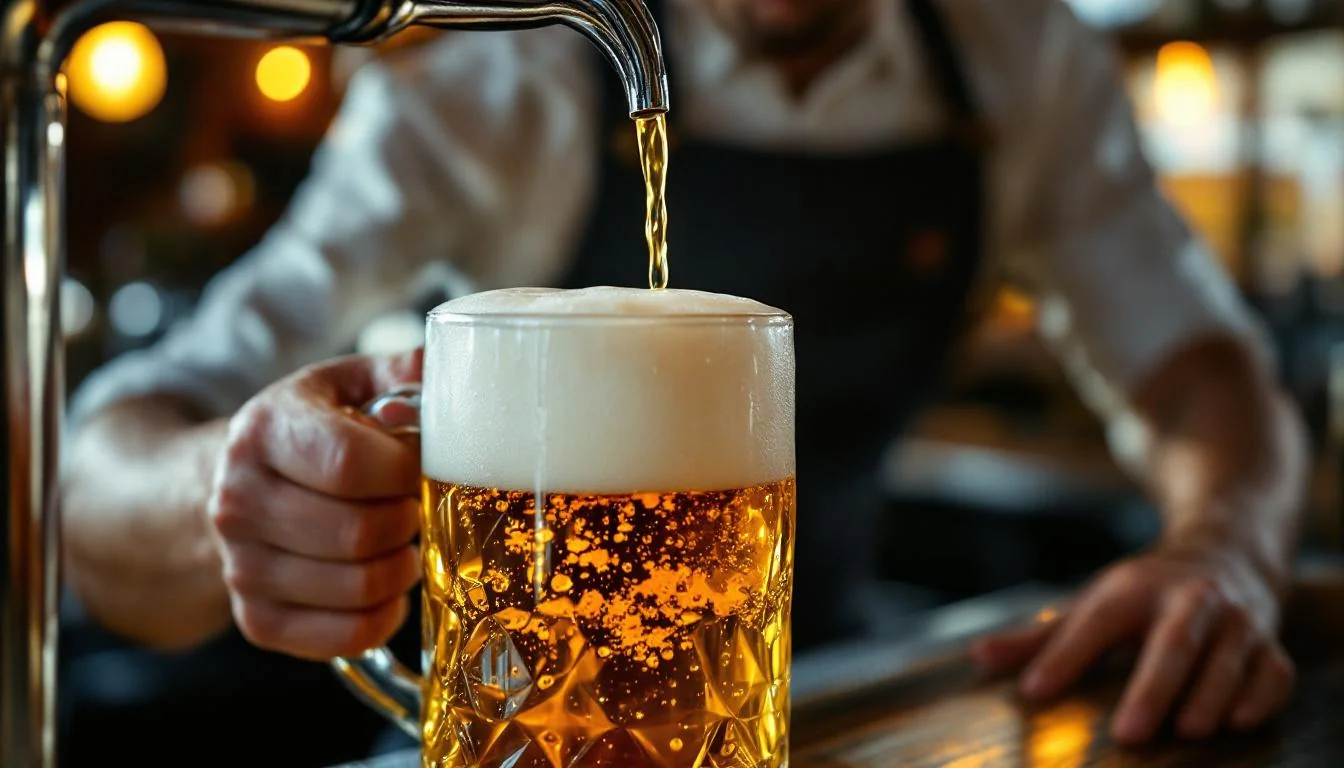
First, look. The beer should be crystal clear, almost brilliant, with a straw yellow to deep yellow color. The head should be white, thick, and cling to the sides of the glass. Good yeast ensures good sedimentation; if the beer is cloudy, it may not have lagered long enough or the temperature may have been unstable.
Next, smell it. Malt Pilsner should be subtly sweet, like freshly baked bread. Hops Saaz (or equivalent) should have hints of hay and flowers. No fruit esters. No pungent phenols. If you smell green apple (acetaldehyde) or popcorn (DMS), the beer hasn't lagered enough or there's a problem with the brewing process. A slight sulfur note is acceptable in young beers.
Then, drink. High carbonation creates a lively sensation on the tongue. Medium body—not as light as an American Lager but not as heavy as a Märzen. Malt leads, subtly sweet, then hops gradually emerge in the mid-palate. The finish is soft and lingering, with malt and hops blending together rather than competing. The aftertaste is clean, inviting the next sip.
This isn't a beer to be drunk hastily. It's made by people willing to wait—and deserves to be savored by those who know how to slow down. Each sip of Bohemian Pilsner is a reminder: sometimes, the most beautiful things come from patience and moderation.