

There are flavors that need no introduction – they tell their own story in their own language, the language of memories and emotions. Khlebny Kray It is one of the few drinks like that – a bottle Kvass Small in size, yet it contains the vast sky of Russia. It's not beer, nor is it ordinary soft drink, but something else. a symphony of fermentation from rye bread, from the simplest things but the ones that make people remember the longest.
When you touch your lips to that amber glass of Kvass, you will find yourself standing in the middle of a bustling market in Moscow, hear the cheerful laughter from small shops, smell the fragrant smell of freshly baked bread. It is the taste of childhood, of hot summer afternoons soothed by a sip of a cool, slightly sour, sweet drink. Khlebny Kray does not intoxicate people with alcohol, but by the way it awakens emotions that seem to have been forgotten.
This is more than just a bottle of drink – This is a piece of Russian soul, distilled from history, from culture, and from the hands that have painstakingly preserved traditional flavors through generations. And now, that story is waiting for you to uncover, sip by sip.
1. History of Baltika Breweries – Journey from Russian Dreams
In the cold of Saint Petersburg in 1990, a brewery named Baltica was born, promising to become a symbol of the Russian beer industry. Like a sail full of wind, Baltika grew strongly, until the year 1996 officially became a joint stock company, marking a major turning point in the journey to conquer the market.
Then year 2008, as Carlsberg Group (Denmark) expanded its empire, Baltika became a jewel in the global collection. Modern production lines and bold marketing campaigns helped the brand capture more than 30% of the Russian beer market share, reaching out to export to 75 countries. But then, year 2023, geopolitical upheavals forced Carlsberg to withdraw from Russia, and Baltika – once a source of pride – suddenly became a nationalized asset, closing a tumultuous chapter.

2. Khlebny Kray – The taste of childhood in every drop of Kvass
Kvass – a fermented drink with a strong aroma of rye bread, has permeated the Russian soul for generations. And then, around the year 2000, Baltika decided to breathe new life into that tradition, launching a product line Khlebny Kray – like a gentle whisper to the past.
More than just a bottle of drink, Khlebny Kray is a whole sky of memories, aimed at Russians who are loyal to the classic Kvass taste. In the market, it has to compete with famous names like Ochakovo, Nikola, but still proudly holds its own position. And then, not only stopping at the Russian border, Khlebny Kray also cherishes the dream of reaching far away - to European trendy bars, or Asian convenience stores - as a charming specialty.
3. Background – When tradition meets modernity
Back in time 10th century, Kvass has crept into every small alley of Russia, brewed by the rustic hands of housewives. But Baltika – with the vision of a giant – decided "industrialization" This rustic drink is transformed into a mass product while still retaining its old soul.
This is also a strategic move when Baltika wants to diversify its portfolio, not just relying on famous beer lines like Baltika 7, Baltika 9. Khlebny Kray was born as a love song - both recalling the past and opening up the future, proving that even in modern life, people still yearn to return to the purest things.
4. Khlebny Kray Style – Classic Taste In Every Sip Of Time
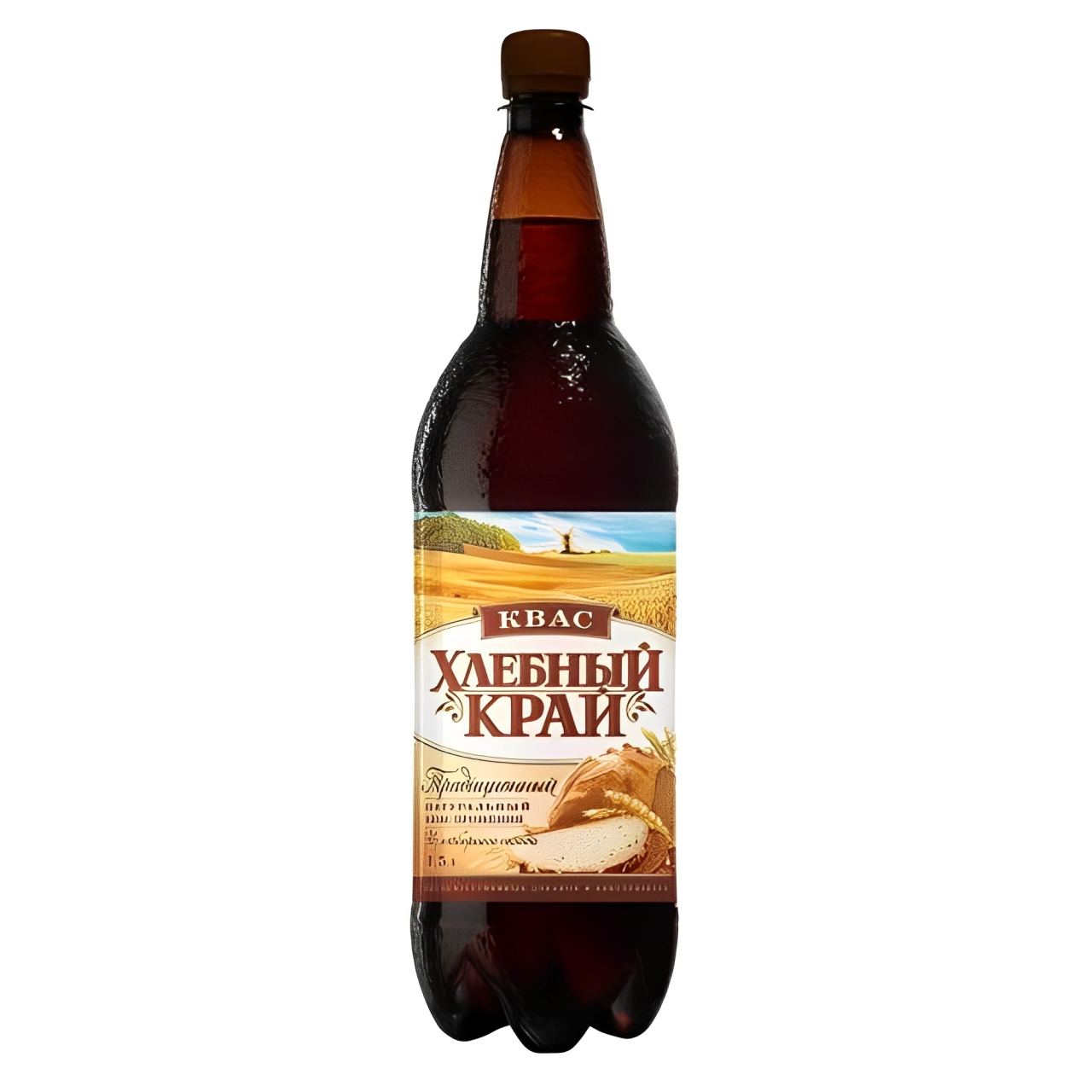
Khlebny Kray is not a beer. It is a proud statement, because each drop of that golden brown is the soul of Kvass (Квас) - a smooth fermented drink made from rye bread, imbued with the thousand-year-old breath of Russia. Although classified as Non-alcoholic/Historical Beer (according to BJCP), Kvass is a world of its own - where yeast and bread together write a symphony of memories.
4.1. Identification Features – A Feast for the Senses
- Color: From seductive dark brown to warm dark amber, like the color of a loaf of bread just out of the oven, shining in the afternoon sun. Sometimes clear, sometimes slightly opaque like morning dew, depending on how the craftsman filters the essence.
- Alcohol content (ABV): Only 1.2% – the thin line between alcoholic and non-alcoholic, making each sip of Kvass as easy to drink as a breath of summer.
- Bitterness (IBU): Almost non-existent, because Kvass doesn't need hops. Instead, the sweet malt flavor, the sour notes from lactic fermentation, and the warm embrace of toast will make your heart flutter.
- Body: Gentle as a whisper, yet full-bodied with a finish of raisins, honey, and sometimes a hint of caraway, mint – like the spice of memories.
4.2. Difference – When Kvass Is Not Beer
Khlebny Kray is gentle rebellion between the world of drinks:
- No Ale, No Lager: Kvass is the soloist, rye is the only instrument.
- Much lower alcohol: While beer typically ranges from 4–5% ABV, Kvass is just a breeze on the taste buds.
- Multi-layered flavors: Not the bitterness of hops, but the blend of sour - sweet - aromatic, like a sonnet in words.
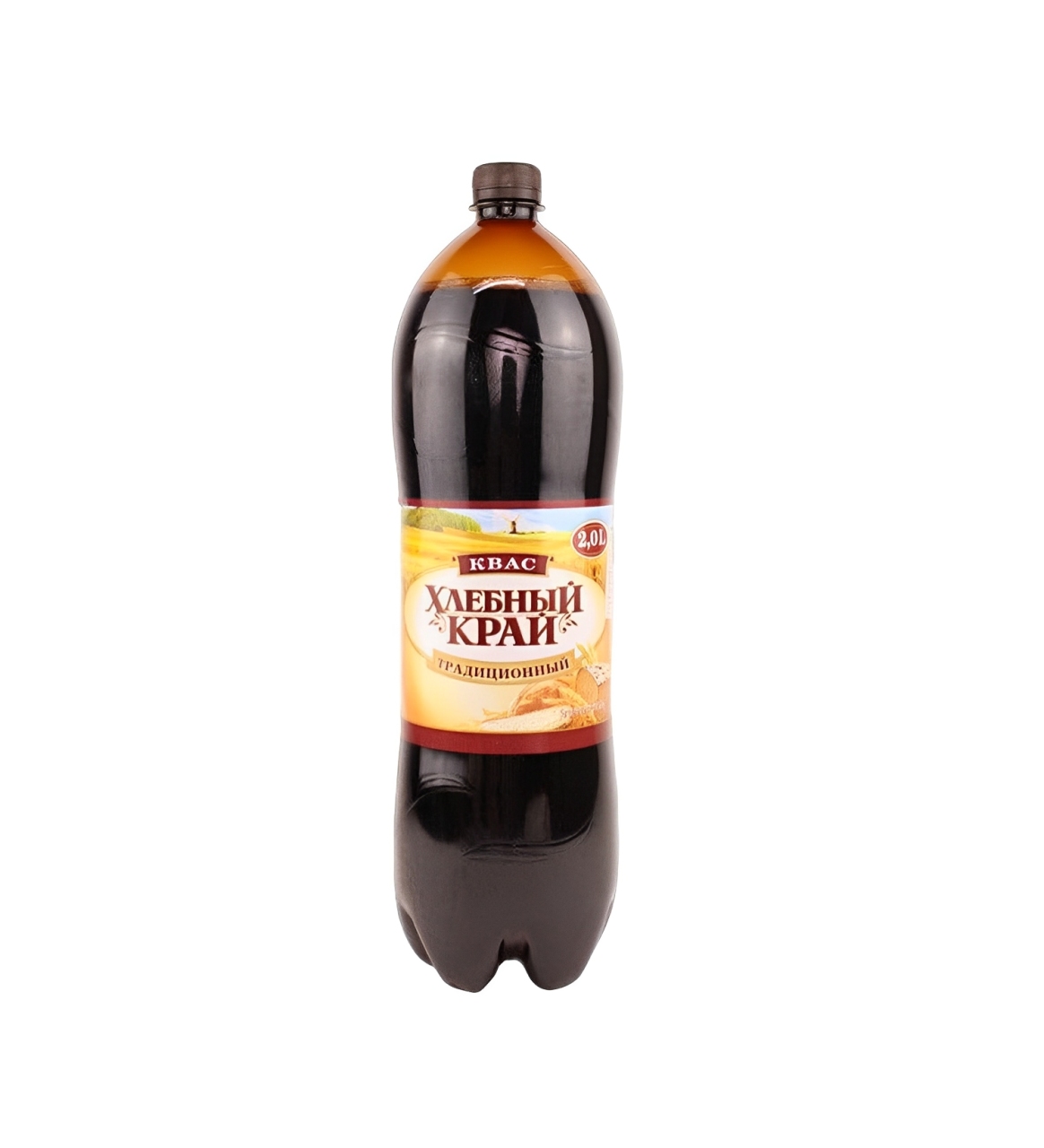
Close your eyes and raise your glass. Khlebny Kray Put it on your lips, and you will see the whole of Russia appear – from the endless fields of barley to the crisp laughter in the small roadside cafe. It is not just a drink, but the liquid heritage of a people.
5. How to Enjoy Khlebny Kray – The Art of Enjoying the Soul of Russia
5.1. Temperature & Beer Glasses – When Cold Talks
Let Khlebny Kray shivered slightly 4–7°C – just cold enough for the toasted bread aroma to blend with the elegant sourness and sweetness of malt to awaken. Don’t be too quick to submerge it in the freezing cold (0–3°C), lest you lose the complex layers of aroma – the soul of Kvass.
- Pint Glass Traditional with a wide open mouth, like a palm catching the sun, helping the aroma of rye bread spread gently.
- Mason Jar rustic, reminiscent of small Russian roadside taverns where Kvass is poured from old wooden barrels.
5.2. Accompanying Dishes – A Taste Symphony
Let Khlebny Kray guide you to authentic russian table:
- Bliny Hot, spread with raspberry jam or rich sour cream, take a bite and sip Kvass – sweet and rich blend.
- Smoked sausage Spicy or salty salted fish, contrasts wonderfully with the refreshing taste of Kvass.
- Or simply soft goat cheese, crispy roasted seeds, or slice whole wheat bread Crispy and hot – Kvass' humble but loyal friends.
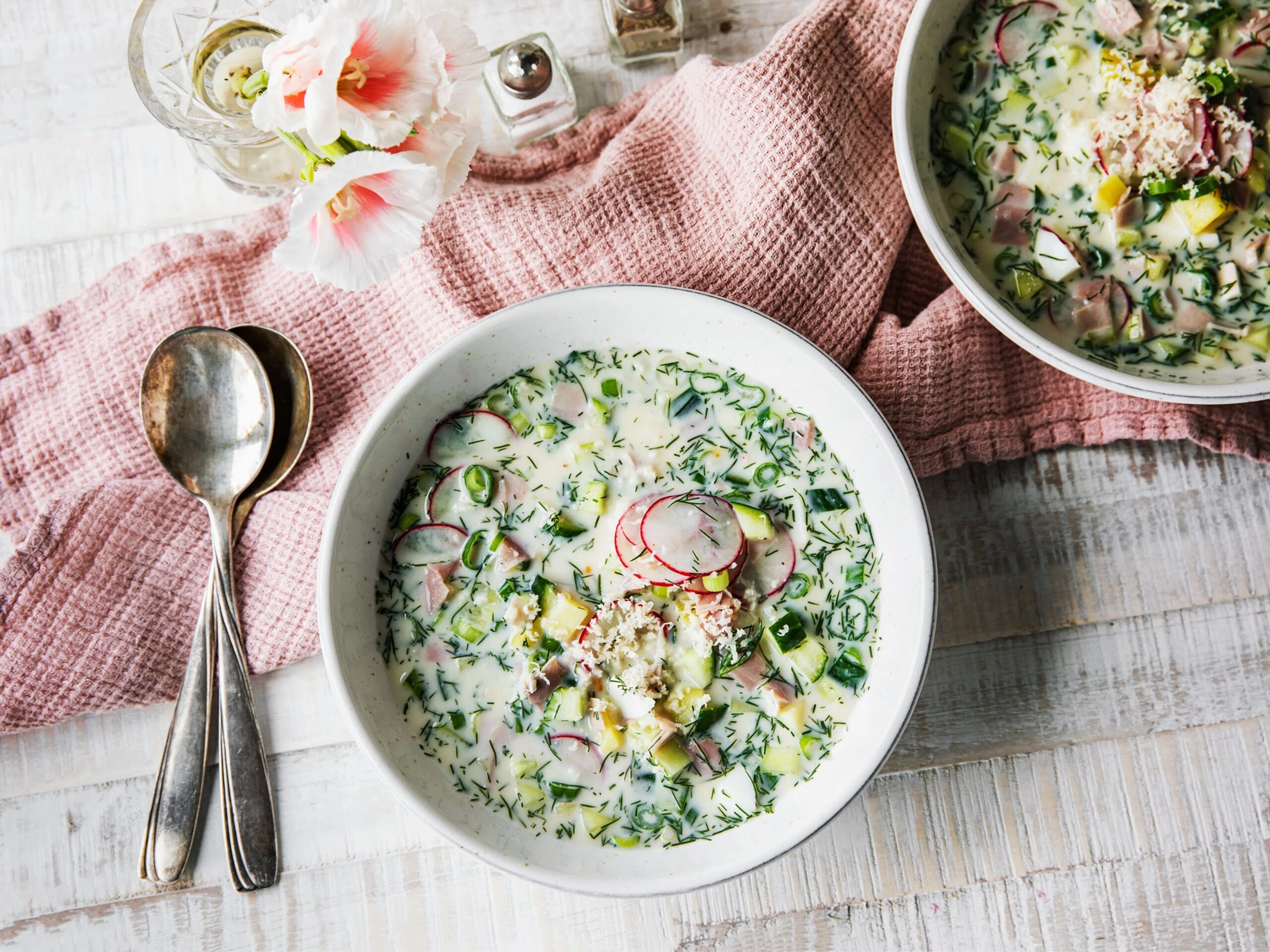
- Okroshka – a sweet cold soup with crunchy vegetables, tender meat, and Kvass as the broth, like a perfect circle of flavors.
5.3. Enjoyment Occasion – When Kvass Becomes a Memory
- Hot summer days, when Kvass becomes cool fan for the soul
- Picnic by the lake, crisp laughter mixed with the sound of bubbles in the glass.
- After dinner, instead of a sweet dessert, a cool glass of Kvass like a gentle farewell.
- Maslenitsa Festival bustling, as Kvass becomes a witness to music, dance and golden pancakes.
Let Khlebny Kray It's not just a drink, it's a story you tell with your taste buds – about Russia, about traditions, and about the slowest, most memorable moments of life.
6. Conclusion: Khlebny Kray – The Taste of Russia Preserves in Every Drop of Brown Gold
Khlebny Kray is more than just a drink – it's a journey through time, is the warm breath of ancient Russia wrapped in each drop of sweet Kvass. When you raise the glass to your lips, you will hear the whisper of the vast rye fields, the fragrant smell of toasted bread from the village fireplace, and the gentle sourness like the shy smile of the budding Russian summer.
This is a drink for the soul. know how to listen to taste, dreamers who want to find the original purity. Khlebny Kray does not need to show off its strong alcohol content, nor does it need to be bitter – it wins with the sophistication of a classic poem, where every word touches the heart.
Drink it slowly, to feel the sunset in amber brown, to see the past and present blend on the tip of the tongue. Whether you are standing in Saint Petersburg or Saigon, just a sip of Khlebny Kray, Russia will appear intact, warm and charming as the first time you met.
So, take your time – let Kvass guide you, and you will understand why people get drunk not because of alcohol, but because of emotions.