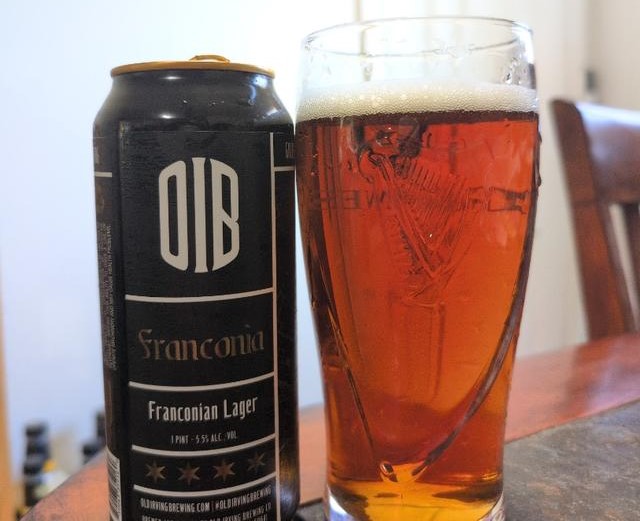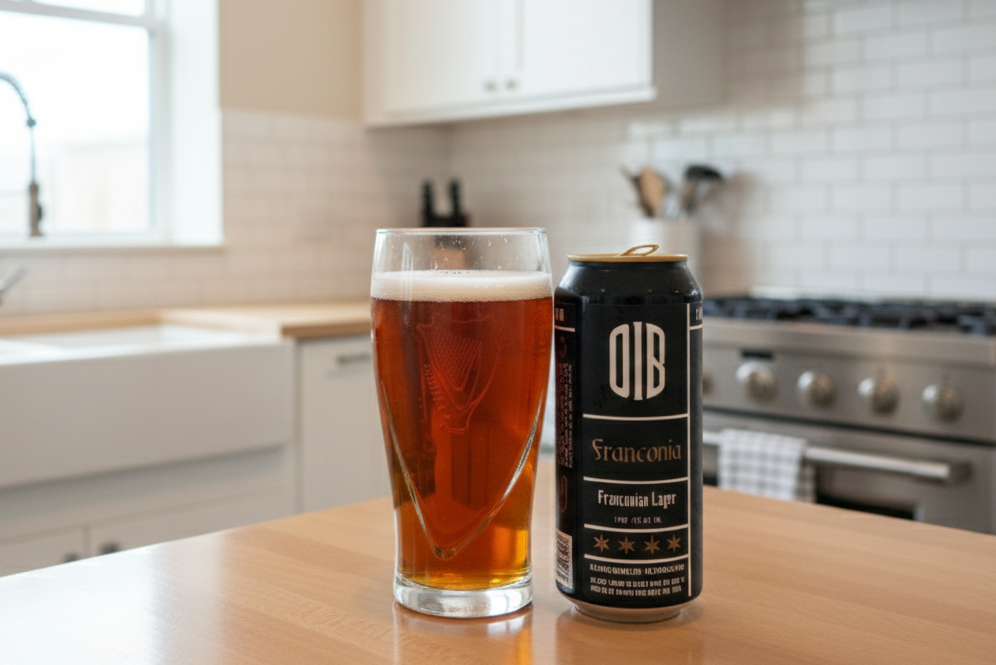

There's a red hue that doesn't come from fire, but from the warm, rich core of the grain. A flavor that doesn't assault the palate with a harsh, bitter blow, but subtly permeates like the gentle sunset over a barley field. At the intersection of modern Chicago and ancient Germany, a quiet stream flows, bearing a name... Franconia Rotbier He is quietly telling his story.
It is a love song composed by time and patience. The brilliant amber hue is an enchanting greeting, promising a warm journey. The aroma of wood-fired toast, subtly tinged with caramel, is not ostentatious, but a whispered invitation, transporting our minds to the small taverns at the foot of the castle by the Regnitz River. This is not a beer to be drunk hastily. It is a space to slow down, to savor the depth of a perfect lager, where every drop carries the breath of history and the warm embrace of pure craftsmanship.
1. The Story from Old Irving to Franconia
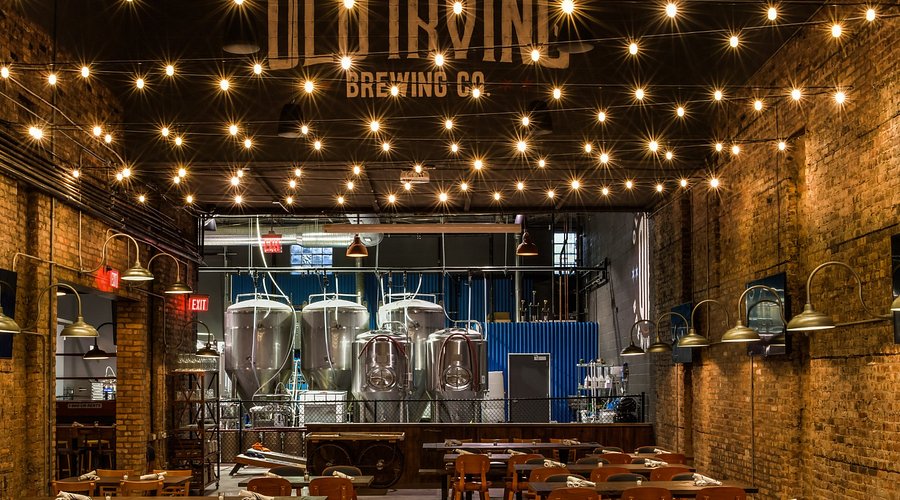
There are stories that are not only told through words, but also fermented, flavored, and poured into every glistening glass of beer. The story of Old Irving Brewing Co. It began as a warm dream in the heart of windy Chicago. Around 2017 (with quiet preparations starting in 2016), two kindred spirits, Chris and Greg Questad, decided to ignite a craft project in their beloved Old Irving Park neighborhood.
Their dream was simple yet profound: to bring high-quality craft beer, brewed with love and dedication, to the Northwest Chicago community. They didn't just build a brewery; they created a warm, welcoming home – a place where taprooms and restaurants blend, where laughter mingles with exquisite flavors. Their philosophy was a return to roots: honoring traditional German and European beer styles while continuously infusing them with modern creativity. And so, that small dream quickly took root, blossomed, and became an indispensable meeting place in the hearts of beer lovers in the area.
That dream led them back to Franconia (Franken) Ancient Bavaria, Germany, is where the "Rotbier" style of beer has lain dormant in the flow of history. "Rotbier"—a gentle yet powerful name, meaning "red beer." But that red isn't the color of harshness; rather, it's a warm amber hue, a gentle copper red extracted from fragrant Munich and Viennese malts. It's a legacy of time, an ancient and deeply traditional beer style, often preserved by small, family-run breweries—especially in the picturesque city of Bamberg. It's the soul of a land, telling a story of perseverance and purity.
Và thế là, tại Old Irving, một cuộc hội ngộ đẹp đẽ đã diễn ra. Việc cho ra đời dòng bia Franconia Rotbier chính là lời khẳng định đầy kiêu hãnh cho triết lý tôn vinh cội nguồn cổ điển của họ. Họ hướng đến những con người am hiểu và sành sỏi, những người không ngừng tìm kiếm vẻ đẹp nguyên bản ẩn sau mỗi lớp bọt. Họ muốn dâng tặng cộng đồng địa phương Chicago một lựa chọn khác biệt, vượt ra ngoài những Pilsner hay Hefeweizen quen thuộc.
In a vibrant craft beer market teeming with bold IPAs and innovative flavors, choosing this traditional path is a bold and sophisticated move. It's a whispered affirmation of unique identity, a brilliant red flowing from the heart of Germany, merging with the soul of Chicago, and finally settling on the tongue of true connoisseurs.
2. Antique Bronze Color and the Pure Soul of Lager
In the vibrant world of craft beer, Franconia Rotbier Old Irving's style is like a classical sonata played with modern notes. Its style isn't a noisy revolution, but rather a respectful whisper to history.
2.1. The Name of a Promise
It is called Rotbier – its original and simple name, just like the Franconian land that gave birth to it. Also known as Franconian Rotbier or German Rotbier, the name is like a passport, proudly affirming its pure and pure lineage.
2.2. The Silent Nature: A Lager's Soul
This is perhaps its most captivating, and also most misleading, aspect. With its warm, deep amber-red hue, many easily categorize it as an ale. But no, it's essentially a genuine Lager. A bottom-fermented, calm and slow-fermenting ale, like time polishing rough gems. That captivating red color doesn't come from strong roasting, but from the warm light emanating from the grain core of fragrant Munich and Viennese malts.
2.3. The Dance of Balance on the Tip of the Tongue
With alcohol content 5.5%, It's like a moderately warm companion, enough to warm a Chicago winter afternoon without overshadowing subtle emotions. The bitterness... 20-30 IBU It's just a gentle brushstroke, like a paintbrush adding a few delicate lines to enhance, rather than overwhelm, the sweet malt feast.
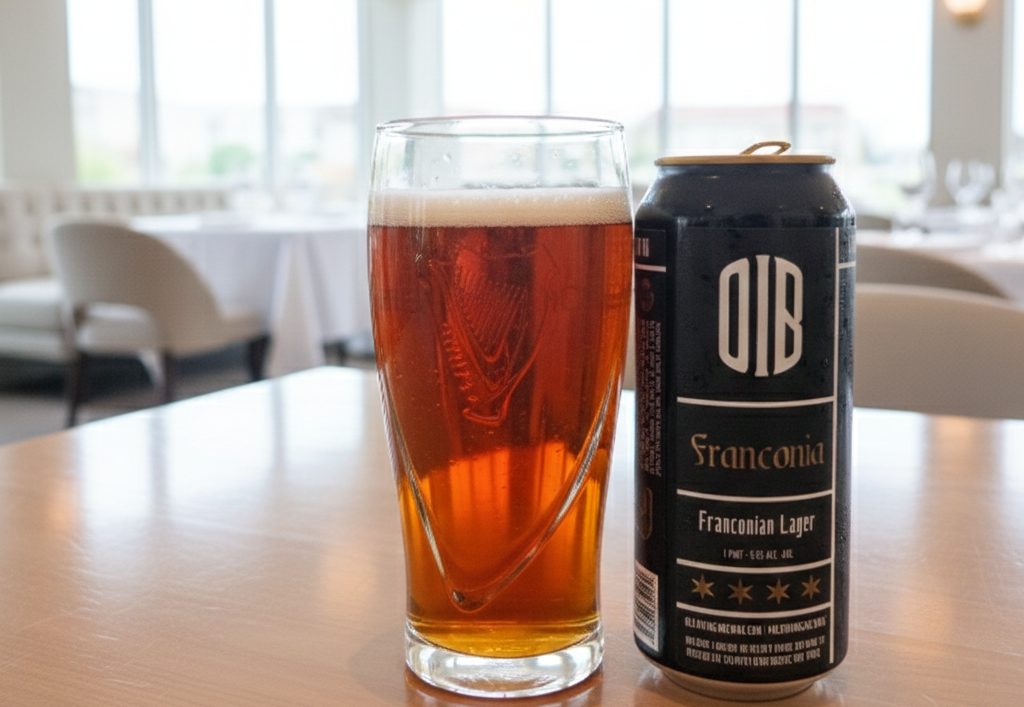
And oh, that malt feast… The medium to full-bodied beer wraps smoothly and gently around the palate. It carries the flavors of morning toast, crispy butter biscuits, with hints of delicate caramel or warm honey. Traditional German hop varieties like Hallertau are shy, releasing only a light floral aroma like a thin layer of mist over the malt base.
It all ends with a clean, crisp, and refreshing sensation. The finish can be quite dry, or leave a lingering, sweet malt aftertaste, like a gentle farewell that makes you eagerly anticipate the next sip.
Franconia Rotbier Unpretentious, unobtrusive. It is a captivating tranquility, the beauty of perfect precision and balance. To drink it is to listen to a fairy tale told through your taste buds, under the warm yellow lights of a small tavern by some distant river in Germany.
3. The Art of Appreciating a Red Stream
Have a drink Franconia Rotbier It's not simply about quenching thirst. It's an emotional ritual, a rendezvous between the senses and the pure soul of beer. Let me guide you on that journey.
3.1. Temperature and the Glass – The Perfect Prelude
Cherish it like a precious gem that deserves care. Keep at a temperature of 8–12°C. In that ethereal space, the complex flavors of malt – the taste of toasted bread, the gentle notes of caramel – can speak most clearly, while still retaining the fresh, crisp sensation like an autumn breeze.
And then, pour that copper flow into the worthy cup. The Seidel Mug The sturdy ceramic ware evokes a rustic, genuine feeling, much like the people of Franconia themselves. Or, you can choose the elegant Pilsner glass to admire its magnificent amber color and proud, creamy white foam. If you want something a little more formal, the Pokal glass with its stem and intricate carvings will elevate the experience, transforming the beer into a work of art.
3.2. A Harmonious Feast – When Beer Meets Food
That balanced flavor is one master arranger. Let's invite it to the party:
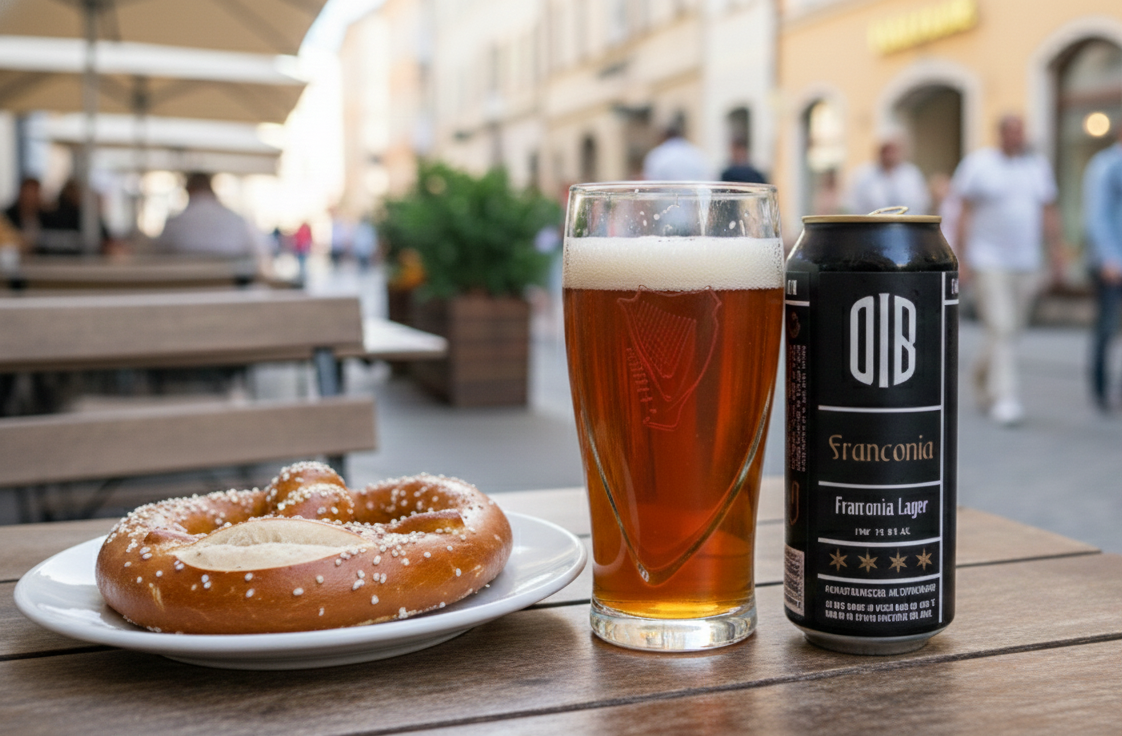
- Traditional German cuisine: This is an inevitable destiny. A hot, crispy piece of Bratwurst sausage, or a slice of golden Brezen bread topped with coarse salt and warm yellow mustard, will make the malty bread flavor in the beer explode into a symphony.
- Warm stews (Eintopf) on a winter day, or a plate of crispy, fatty roast pork (Schweinebraten), will be wonderfully balanced by the subtle bitterness and full-bodied nature of Rotbier beer.
- Try it with semi-hard cheeses like Gouda or Emmental; the rich, buttery flavor of the cheese will intertwine with the sweetness of the malt, creating an enchanting dance on the tongue.
3.3. Moments That Belong to Rotbier
This beer isn't picky about timing; it just waits for the right mood to truly flourish.
- In everyday meals, it is a loyal companion, enhancing and elevating the flavors of the dishes.
- At gatherings with friends, its pleasant yet subtle flavor easily wins over hearts of everyone, from beginners to seasoned connoisseurs.
- Autumn and winter are its ideal stages. The warm red hue and full-bodied beer dispel the chill, like a gentle woolen blanket for the taste buds.
- In the festive atmosphere of Oktoberfest, amidst a sea of traditional golden beer, a glass of vibrant red Rotbier will be a charming statement of individuality.
- And don't forget, a relaxing evening alone. At that time, each slow sip of Rotbier will unlock a rich universe of malt, allowing you to immerse yourself and converse with yourself.
Let Franconia Rotbier be more than just a drink; let it be a beautiful memory, a gentle emotion that lingers in your mind.
4. The Conclusion of the Classic Red Flow