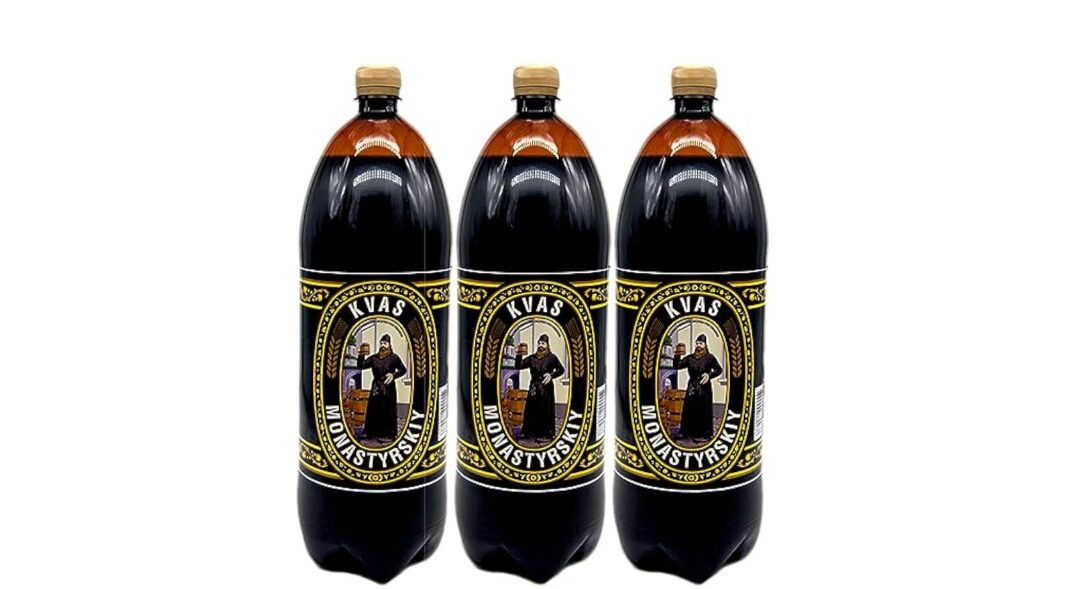

On late summer afternoons, when the first autumn breeze begins to gently sway the golden barley fields, people often seek out a drink that carries the flavor of time – Monastyrskiy Kvas. It's not a storm of floral aromas in the glass, nor the sharp astringency of modern craft beers, but a gentle harmony of toast, ancient yeast and childhood memories.
In every drop kvass In that amber, I seem to see the shadows of ancient monasteries where this recipe has been preserved for generations, hear the faint sounds of joyful laughter in Ukrainian rural markets, and feel the warm embrace of a mother after long summer days. This is not just a refreshing drink, but... Express train through the soul of Eastern Europe, where every sip tells a story about culture, tradition and love for the homeland.
Monastyrskiy Kvas comes to the modern world while still retaining its ancient essence – like a resilient wildflower amidst the storms of time, like a gentle reminder that sometimes, True happiness lies in the simplest things.
1. Monastyrskiy Kvas – A Fermented Timeline of Monastery Stories
1.1. Brand History: From Tradition to Modernity
Within the ancient walls of an Eastern European Orthodox monastery, the secret of brewing kvass has been preserved for centuries. By the year 2006, Slavutich Group – one of the giants of the Ukrainian beverage industry – decided to awaken that heritage, transforming Monastyrskiy Kvas from a rustic drink into a luxury bottled brand.
The company's development journey is full of tumultuous milestones:
- 2006:The first bottles of kvass reach Ukrainian consumers, as a tribute to the old taste.
- 2010: Spread your wings Russia and Belarus, where kvass is the "national spirit".
- 2014: Political events caused the brand to withdraw from the Russian market, but since then, Monastyrskiy Kvas focused on fanning domestic love, becoming a symbol of Ukrainian culture.
1.2. Background: When Tradition Takes on a New Coat
Year 2006 marked a turning point: handmade kvass stepped out of the traditional ceramic pots, transformed into an industrial product but still kept its essence. Slavutich’s goal was clear – to bring a “premium” version, without preservatives, for those who love tradition but are not afraid of innovation.
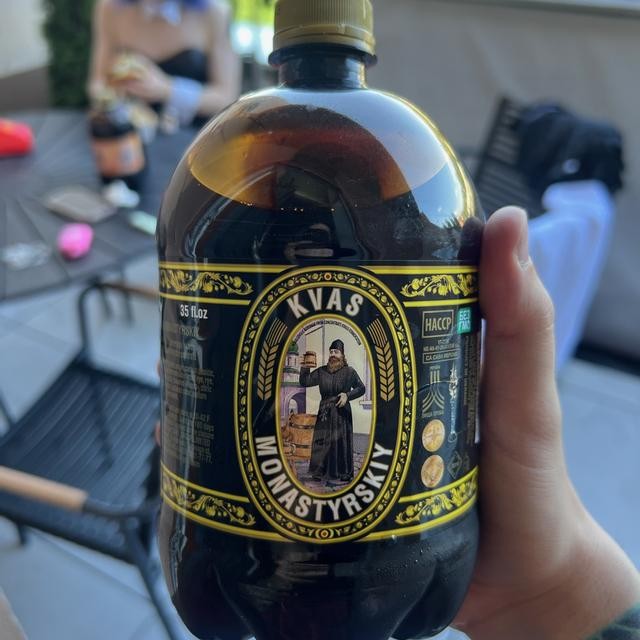
The kvass recipe is still the familiar prelude: aromatic rye bread, sweet raisins, and classic kvass yeast. With an alcohol content of only 1.5%, the flavor is lighter than homemade kvass, making it an ideal “friend” for hot summer afternoons.
1.3. Different Melodies
- Distribution: Focus on Ukraine, creeping from supermarkets to small street corners, occasionally appearing in Eastern European stores in the EU as a cultural message.
- Short fermentation process (24-48 hours): Unpasteurized, each drop of kvass retains its sweet and sour taste as it did when first brewed in the cool darkness of the monastery.
Monastyrskiy Kvas It's more than just a drink – it's a story of heritage, identity and national pride, told through every indulgent sip.
2. Monastyrskiy Kvas – A Style Rich in Eastern European Memories
2.1. Not Just Beer, But The Soul Of Tradition
Monastyrskiy Kvas fermented beverage Eastern European characteristics, but it's not beer – it's "childhood memories" brewed from slices rye bread crispy. If classified, it can be grouped under Non-Alcoholic Beer (alcohol content only) 1.5%) or Historical Beer – the ancient drink that has nourished generations.
2.2. The Shape of a Seductive “Brown Gold”
- Color: One color amber brown warm, like the sunset through the kitchen window.
- Transparency: Lightly cloudy, like morning dew covering a field of barley – a sign of natural yeast remaining
- Structure: Gentle but not superficial, moderately effervescent and slightly smooth – like the sweet mother's milk of the earth.
2.3. The Prelude of Flavor
When you lift the bottle to your nose, you will smell:
- The aroma of toasted bread is rich, with a hint of sweet malt molasses.
- A hint of raisin drifts by, accented with a mildly sour lactic acid flavor like homemade yogurt.
And then, when the taste hits the tip of the tongue:
- Sweet taste from the malt that dissolves quickly, giving way to a cool, sour taste.
- Dry aftertaste, caramel from the toast – like an echo of the old monastery stove.

Monastyrskiy Kvas is one of the most distinctive beers in Russia.
2.4. Difference Makes a Name
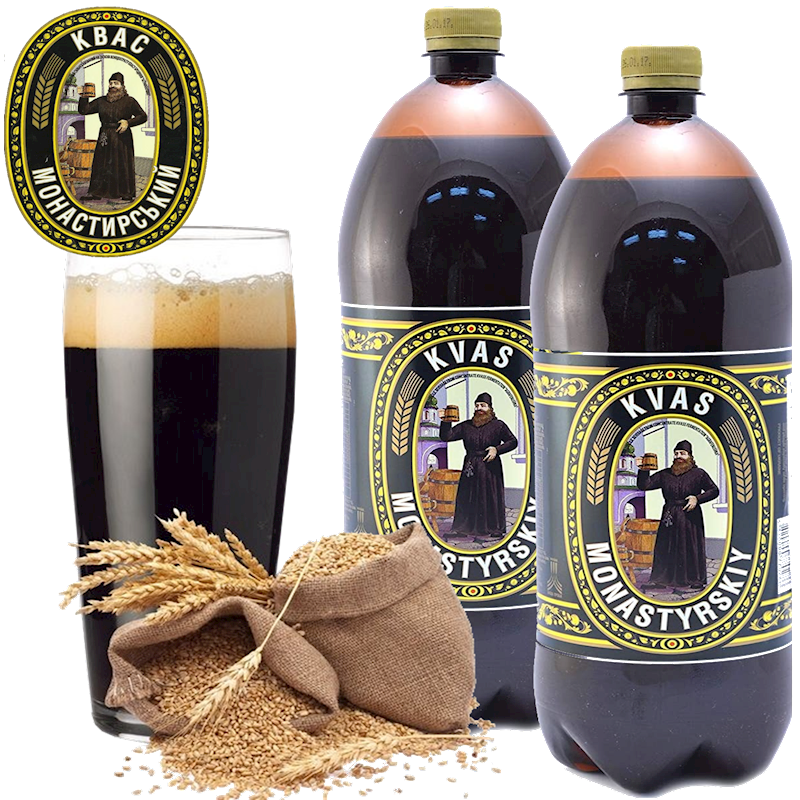
Not as sweet as Russian industrial kvass, Monastyrskiy Kvas kept delicate balance between sweet and sour, close to the handmade kvass of grandmothers and mothers. Every sip tells a story of simplicity but sophistication – like the soul of Ukraine: rustic but rich, gentle but full of life.
3. The Art of Enjoying Monastyrskiy Kvas – Every Sip Tells a Story
3.1. Temperature – The Secret to Awakening the Taste Buds
Let Monastyrskiy Kvas gentle fragrance 6–10°C – just cold enough to sublimate the layers of toasted bread, malt molasses and raisins. Don’t rush to put the bottle in the freezer, temperatures below 4°C will numb your taste buds, making you miss the delicate dance between sweetness and sourness – the soul of traditional kvass.
3.2. Choose a Cup – Cherish Every Drop of Tradition
- Kovbasa glass (Ukrainian metal) or wooden glass:Touch and hear the faint sound of monastery bells, reminiscent of summer afternoons under the shade of birch trees.
- Pint glass with measuring line: Let your eyes enjoy the color amber brown sparkling in the sun
- Tumbler/Nonic: Keep the tiny bubbles dancing on the tip of your tongue, making every sip a feast.
3.3. Accompanying Dishes – Eastern European Fate
Kvass is not alone – it is a companion of Slavic dishes:
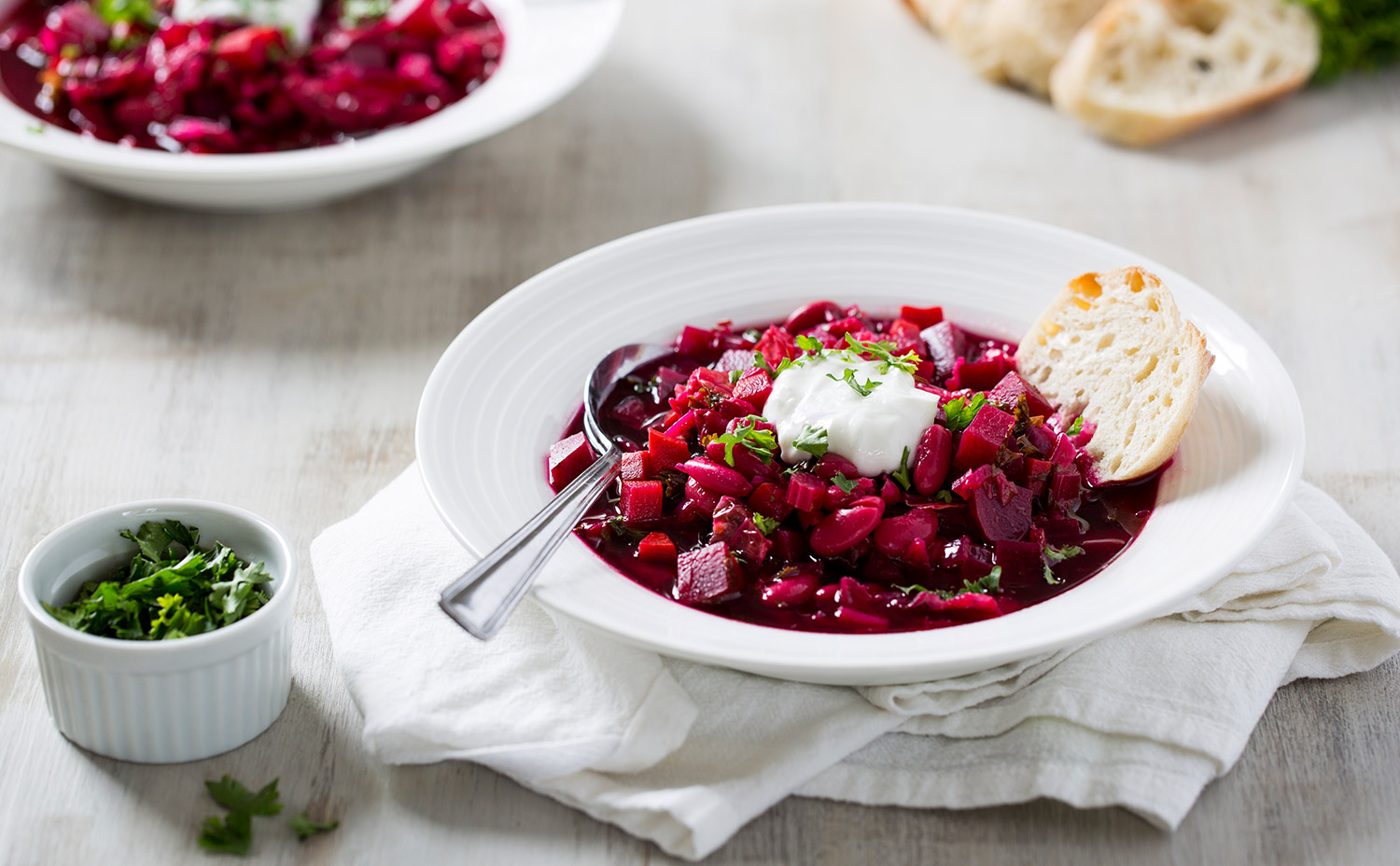
- Bright red bowl of borscht: The sour taste of kvass blends with the rich sour cream, like snow melting in spring.
- Fatty salo: The salty and rich taste melts with kvass, creating an unforgettable warm flavor.
- Thin Rye Blini: Gently lift, let the kvass shine like stars in the night sky.
- Fragrant Shashlik:The mild sourness washes away the richness of the grilled meat, like a refreshing summer shower.
- Crispy pickles: With kvass, create a fermented song - sour, salty, pure.
3.4. The Occasion of Enjoyment – When Kvass Becomes a Festival
Hot summer noon: A cold bottle of kvass quench thirst – like the wind blowing through the barley fields.
Ivan Kupala Festival:Let's jump over the fire and raise a glass of kvass to wish for happiness as a thousand-year tradition.
Easter Party: Next to sweet Paska, kvass becomes a greeting for the rebirth of spring.
After a family dinner:Sip it as a dessert to help your stomach feel light and your heart feel warm.
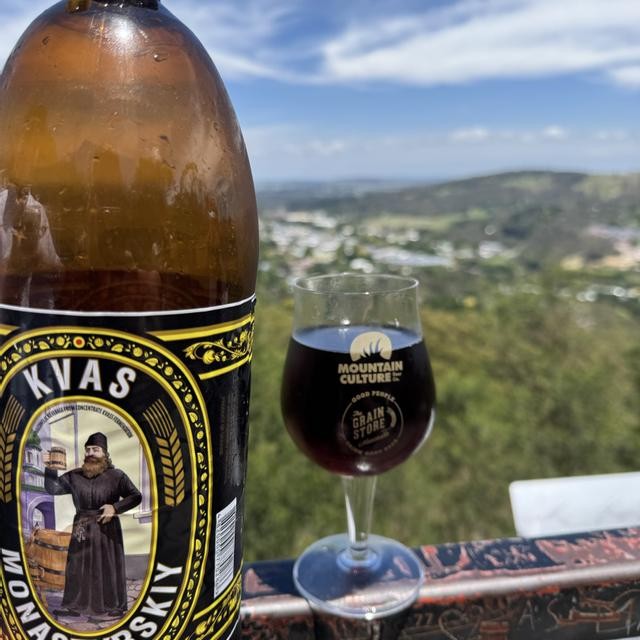
Let Monastyrskiy Kvas guide you – every sip is a journey to warm memories, where the aroma of bread blends with the golden sunshine of Eastern Europe.
4. Monastyrskiy Kvas – A Love Song Fermented From the Soul of Ukraine
When the golden afternoon sun gently touches the amber brown kvass bottles, we seem to hear the whisper of centuries - the fragrant rye bread mixed with ancient yeast in ancient monasteries. Monastyrskiy Kvas is not just a drink, but Symphony of Memories, where every drop of shimmering gold contains the flavor of vast barley fields, warm family fires, and bright smiles during Slavic summer festivals.
This is the drink for kindred spirits – who knows how to appreciate the beauty of simplicity. From the warm brown color like velvet, to the gentle sour taste that lingers on the tip of the tongue, all tell the story of a resilient yet gentle Ukraine. When enjoyed with savory salo or a bowl of bright red borscht, kvass becomes a bridge between modernity and tradition, between the individual and the community.
In a world of soulless industrial drinks, Monastyrskiy Kvas still intact as a whisper from the past – invites us to slow down, take a sip, and let our souls wander to the endless green pastures, where the scent of barley blends with the laughter of children. It is not intoxication, but awake – awaken to the beauty of the simplest things.