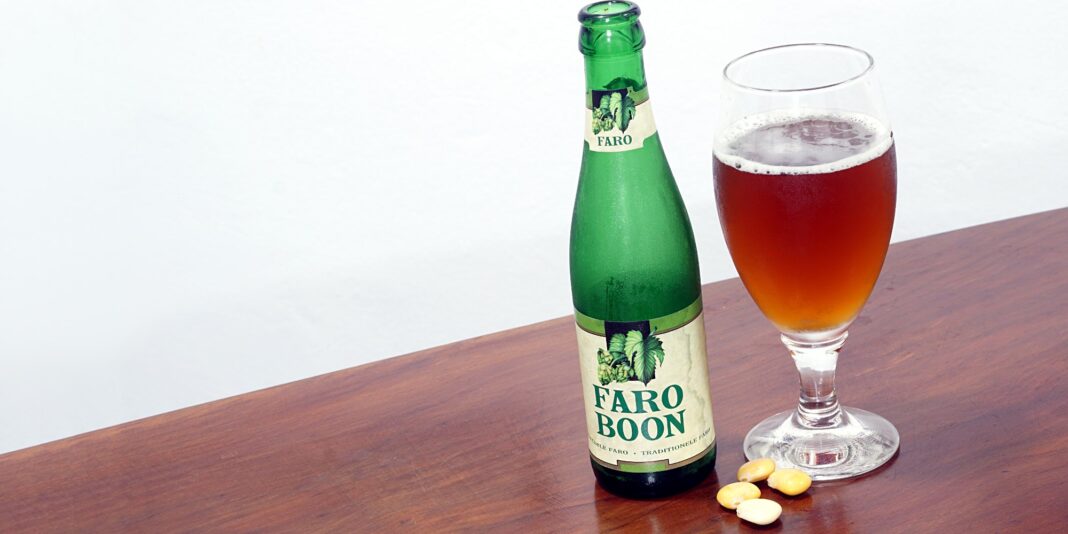

There are beers that are made to get you drunk, but there are also beers that are made to get you drunk. miss. Faro Boon belong to the second type – a beer line Lambic gentle, where the elegant sourness of tradition blends with the warm sweetness, like a whisper of ancient Belgium.
From old oak barrels in the factory Buy Goods, where wild yeast Pajottenland dancing freely for years, down to every drop of honey caramel delicately added – Faro Boon not just a drink, but Fermented Love Song, is a legacy that is patiently nurtured and cherished.
If you have ever indulged in its flavor, you will understand why people call this “beer of dreamers” – the drink that makes time stand still, and each small sip is a journey back to Brussels of the 18th century.
1. History of the brewery and Faro Boon beer line: Journey of traditional flavors
1.1. Origin of the Brouwerij Boon brand – Where beer flavor becomes heritage
Amidst the golden barley fields of Lembeek, an ancient village with over 300 years of association with the art of brewing beer Lambic, Buy Goods spoke for the first time in five years 1680. Like a keeper of the fire, this brewery has quietly passed down the secret of brewing beer with natural yeast, letting time and nature become the greatest artisans.
By year 1975, Brouwerij Boon's story turns a new page when Frank Boon – one of the pioneers of the Renaissance movement Traditional Lambic – placing his dedicated hand on each oak barrel. He modernized the factory but still kept the natural aging method, like an old lover cherishing an old souvenir. And today, Brouwerij Boon is still one of the few “temples” that still preserve the soul of the line. Faro – a sweet drink like a whisper of history.

1.2. Faro Boon – Sweet love song in the heart of Brussels
In the century 18–19, when the small pubs in Brussels With laughter, people started to mix some sugar and caramel into the beer. Lambic sour, to make it gentler, easier to touch the taste buds of beginners. Faro was born like that – a marriage of elegant sourness and warm sweetness, like the afternoon sun gently touching the ancient bricks.
Faro Boon is the perfect version of that story. Brewed from the lines Young and old lambic in old oak barrels, then mixed with dark malt sugar Like a caramel kiss, it strikes the perfect balance – not too sour, not too sweet. For those who love Lambic but still want to find a gentler way, Faro Boon like an evening jazz song, deep enough to get drunk, gentle enough to remember.
And the world took note. Faro Boon rank #7 in beers of the same style (according to many reputable rankings), but for the connoisseurs craft beer, it will always be one of the The best faro in the world – like the sweet honey of the past, still flowing forever in the present.
2. Faro Boon Style and Identity: When Subtlety Becomes Art
2.1. Faro Boon – Sweet symphony of Lambic
In the world of beer Lambic full of change, Faro Boon is the warmest, gentlest low note. It belongs to the style. Faro – a variation sweet and light of root beer, like a remix of a classic song, keeping the sour soul but adding a touch of sweet honey.
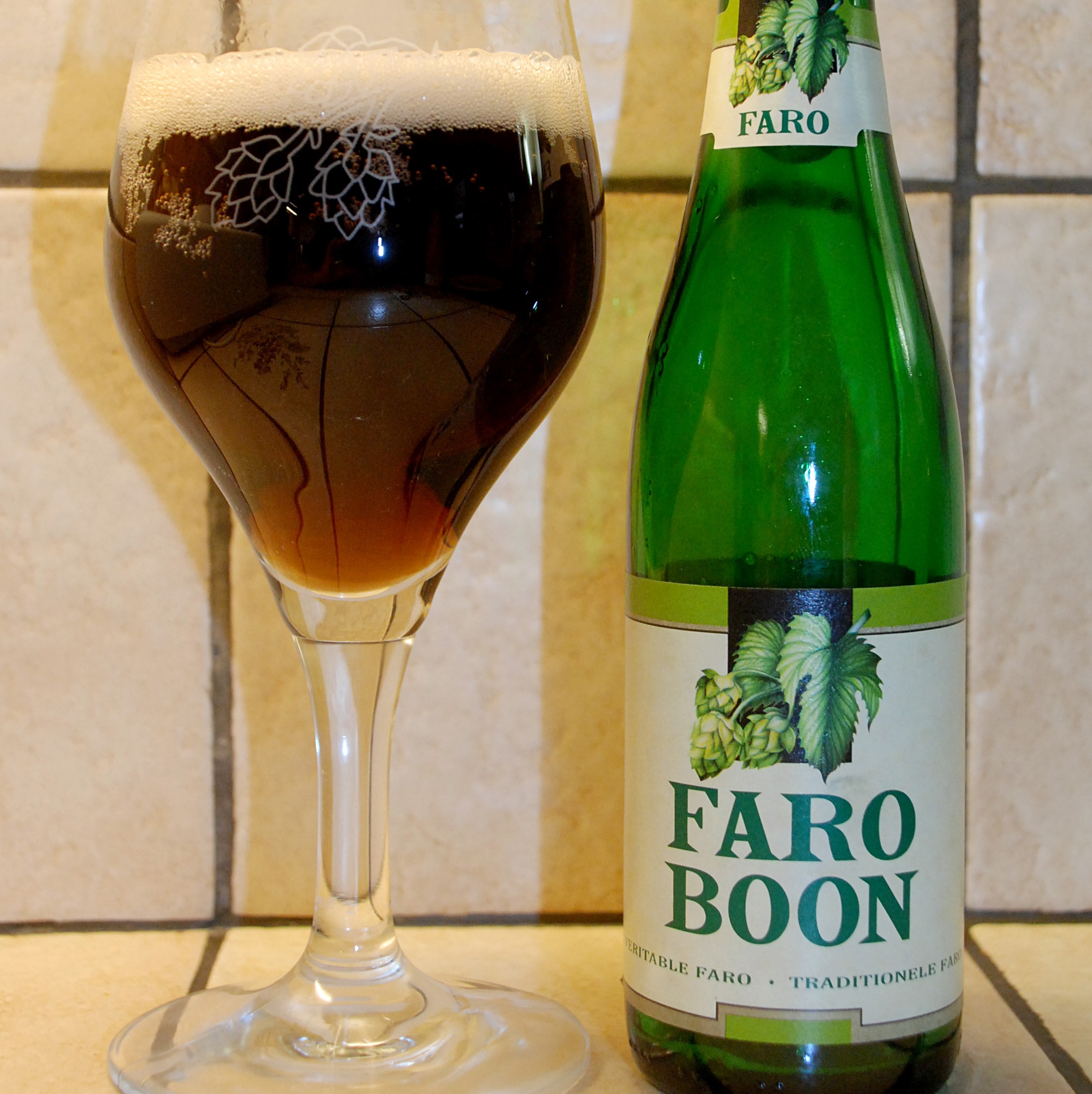
More broadly, Faro Boon is a child of the lineage Ale, But it's not the typical industrial Ale. It's naturally fermented with wild yeast, just as brewers of old let nature guide them. In the family. Sour Ale, it belongs to the branch Lambic, then come Faro – like a late blooming flower, gentler, more approachable, but still retaining its original beauty.
2.2. Identification features: Unmistakable mark
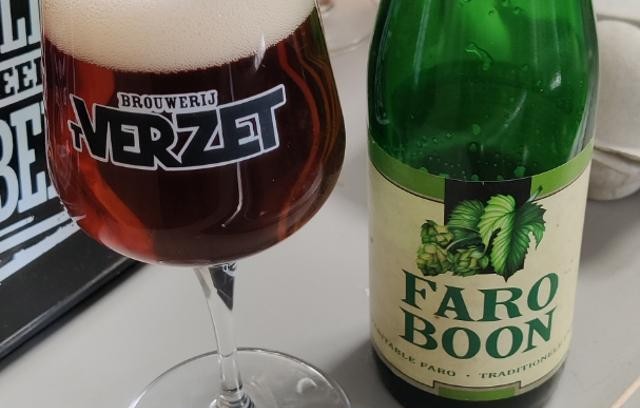
Color: When pouring into a glass, Faro Boon put on color deep amber, reflect light light reddish brown like the last rays of the day shining through caramelized sugar. The color is reminiscent of old Brussels taverns, where yellow lights cast shadows on old wooden tables.
Alcohol content (ABV): Only 4%, Faro Boon belongs to the group light beer, easy to drink, like a close friend, does not make you drunk too quickly, but just gently brings you into a feeling of relaxation and relief.
Bitterness (IBU): With 10–15 IBU, the bitterness almost sinks, giving way to a delicate blend of sweet and sour – like a gentle dialogue between fresh young Lambic and warm dark malt sugar.
Body (beer body): Come gently medium, feeling dry Thanks to natural carbonation, each sip is like a cool breeze passing through the palate, leaving a sweet but not harsh aftertaste.
Flavor:
- Slightly sour from young Lambic, elegant as a shy smile.
- Sweet taste from caramel, like a warm honey cake in the cold weather.
- Balanced aftertaste, making the drinker want to take more small sips, to feel the delicacy slowly melt on the tip of the tongue.
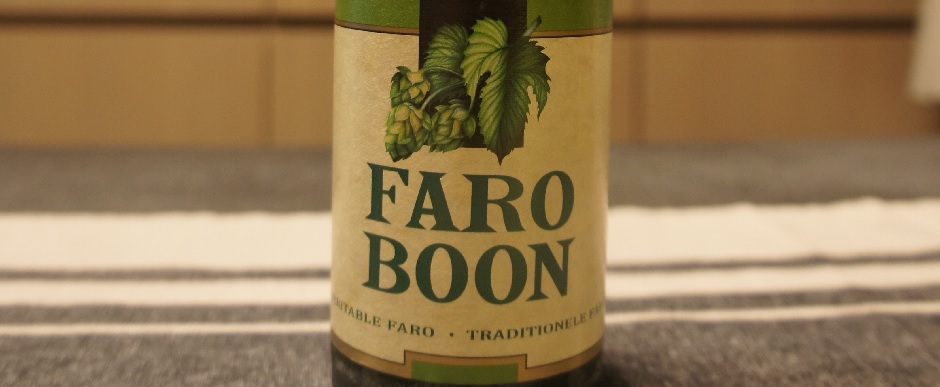
3. Enjoy Faro Boon – The Art of Slow Living
3.1. Suitable Temperature and Cup Type
As the afternoon sun bathes the windows in golden light, it is the perfect time to raise a glass of Faro Boon to your lips. Let the bottle rest at room temperature. 6-8°C – just the right amount of coolness to allow the layers of flavor to slowly unfold, like a flower blooming in the morning sun. Too cold will destroy the subtle complexity that the brewer has painstakingly created.
The tulip cup The soft curve in your hand is not just a vessel, but a faithful companion. It gently embraces the aroma, cherishing every molecule of wild yeast and warm caramel, coaxing them to dance under the connoisseur's nose. Sometimes, a classic Lambic glass with a wide mouth is also a great choice, reminiscent of the old Brussels taverns.
3.2. Food Pairing – Food Pairing
Because of the taste sweet and sour balance, Faro Boon is suitable for:
- Appetizer: Camembert/brie cheese, goose liver pate, rye bread.
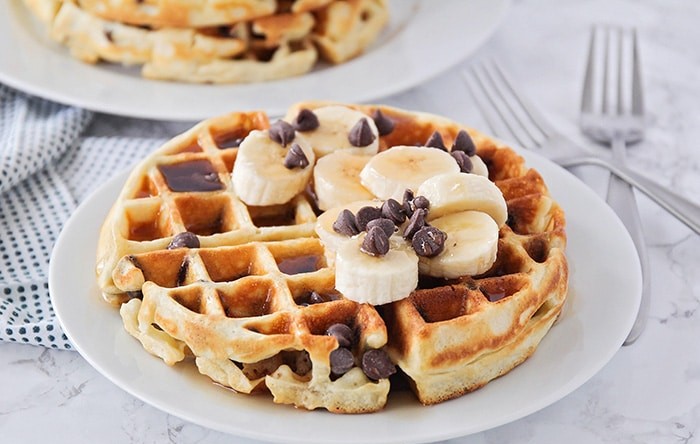
- Main course: Grilled meat (pork/goose), beer steamed mussels, Belgian waffles.
- Dessert: Cinnamon baked apple Crème brûlée, dark chocolate 70%.
3.3. Ideal occasion to enjoy
- Afternoon snack (afternoon gathering) or after dinner as a dessert.
- Spring/Summer – when the weather is warm, the sweet and sour taste helps quench thirst.
- Combined with relaxing space: Belgian beer bar, cheese party, or outdoor picnic.
4. Production Process & Brewing Technology of Faro Boon Beer: Symphony of Time and Nature
4.1. Spontaneous Fermentation – The Breath of Pajottenland
In those cold winter night in the area Pajottenland (Belgium), the air becomes fresh and dense with wild yeast – a mixture of bacteria and yeasts Brettanomyces, Saccharomyces, Lactobacillus that are unique to this land. Brouwerij Boon opens the large brewhouse door, letting air in, carrying with it the tiny microorganisms that cling to the warm, freshly cooked wort.
No industrial yeast, no temperature control – just patient waiting. The old oak barrels become a cozy home for these microorganisms to thrive, gradually converting sugars into Lambic beer with complex, deep acidity.
4.2. Blending young and old Lambic – The art of balance
To create Faro Boon, the brewer must be a bartender, knows how to combine two different souls:
- Young lambic (6–8 months incubation): Fresh, crisp sour taste, green fruit aromas such as green apple, wild lemon.
- Aged Lambic (aged 1–3 years): Softer, with notes of oak, honey, and toasted chestnuts.
Proportion 70% young – 30% old selected to keep perfect balance – sour enough to stimulate the taste buds, but not too harsh, sweet enough to be soothing, but not too cloying.
4.3. Add caramel or dark malt – Sweet kiss
Before bottling, a quantity of caramelized sugar or dark malt is dissolved into the beer. This not only reduces acidity, but also defines the Faro style – creating a warm, watery sweetness beneath the crisp sourness.
Unlike other sweet beers, the sugar in Faro Boon no further fermentation, remain intact Pure Lambic Flavor, not masked by monotonous sweetness.
4.4. Special techniques – Secrets that have remained unchanged for 300 years
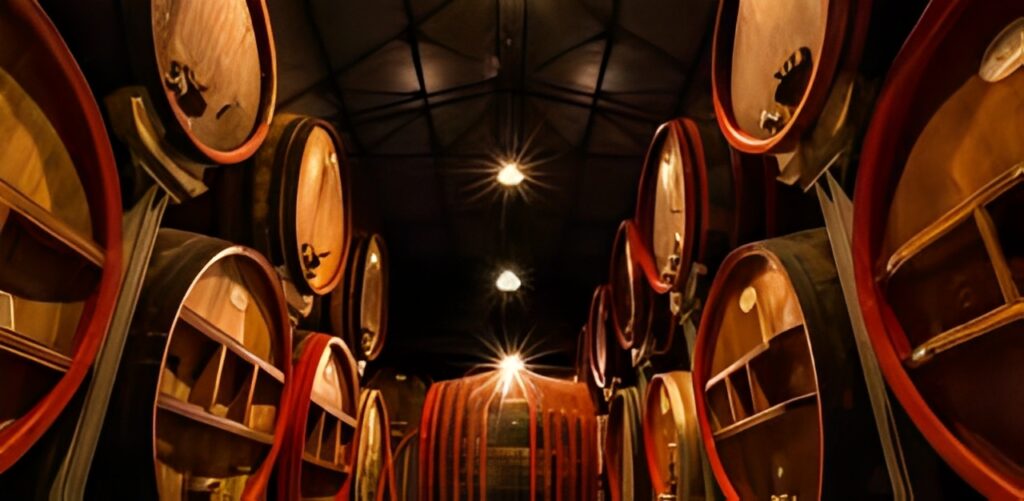
- Barrel-aged in old oak barrels: Reused wooden casks that once held wine or sherry add vanilla, nutty, and slightly smoky flavors, adding complexity to the beer.
- Unfiltered – Unpasteurized: Keep it the same natural microflora, create natural carbonation instead of artificial CO2 injection.
- No Dry Hopping, No Cold Fermentation: Faro Boon respects classic recipe, no wet hops or temperature control, allowing the flavors to develop all natural.
4.5. Faro Boon vs. Industrial Faro – The Battle Between Tradition and Modernity
While Faro Boon is the child of natural fermentation process, Many industrial Faros today are simply lager beers with sweet syrup. They lack wild yeast, are not aged in wood, and often taste cloyingly sweet and lack depth.
Faro Boon, on the other hand, is a love song of time – every drop tells the story of an ancient craft where slowness makes perfect.
5. Conclusion: Faro Boon – Cup of Time
In the noisy world of industrial beer lines, Faro Boon still enduring keep your own pace – slow, deep, and proud. It's not the kind of beer you rush to gulp down amid the blaring music, but the kind you sip in quiet moments, with your hands cupping a warm tulip glass, and your mind drifting back to the cobbled streets of old Belgium.
Perhaps, the real beauty of Faro Boon lie in place it does not try to please everyone. It's sour, but not harsh; sweet, but not forced – like a love affair. sufficient passionate to remember, but also sufficient gently so as never to leave a regretful aftertaste.
So next time, if you want to find a companion for a chilly autumn afternoon, or a witness to whispered stories - let Faro Boon speak up. Because after all, among the thousands of beers in the world, there are few that know whisper with the soul of the drinker in such a delicate way.