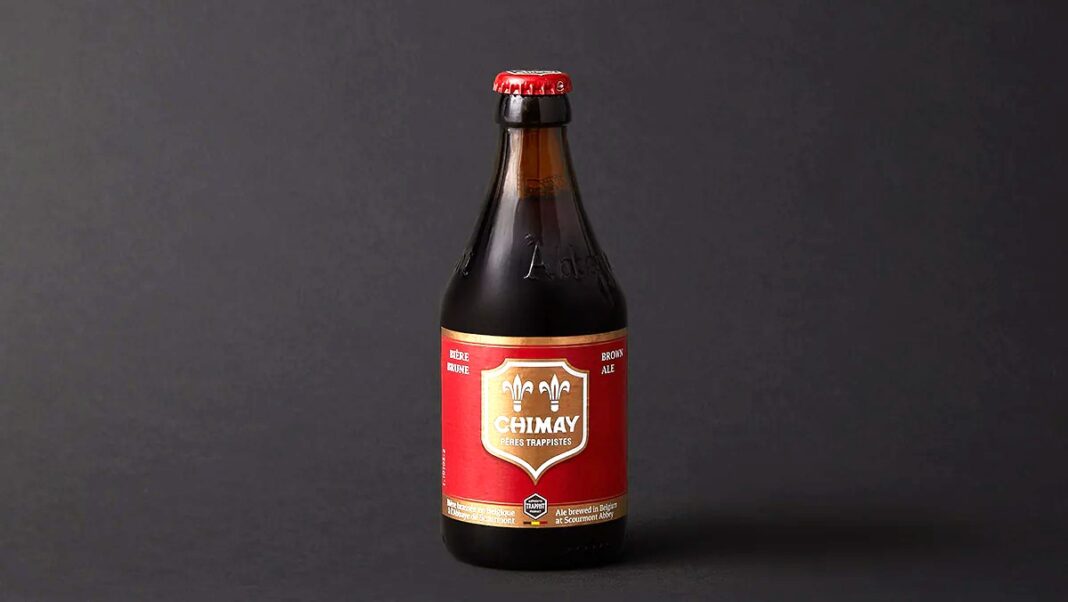

Amidst the moss-covered stone walls of the ancient monastery, where time seems to slow down to the rhythm of prayers, a masterpiece hides in the darkness of the stele house – that is Chimay Rouge. Each bottle of beer carries the breath of history, crystallized from the talented hands of monks. Trappist and timeless patience. It is no coincidence that this deep red drink has become a symbol of traditional brewing art, where every drop tells a story of faith, dedication and love for fine craftsmanship.
In the modern industrial beer world, Chimay Rouge stands as a reminder of tradition. It tells us a story of perseverance, of slow fermentation in perfect conditions, of the secret of yeast preserved for generations. Each beer is the result of a harmonious combination of four essential elements: pure water from the abbey's underground spring, special malts, carefully selected hops and most importantly – a yeast strain exclusive to the Chimay region.
1. Chimay Rouge: The Romantic Story of the Crimson Abbey Beer
1.1. The Rise and Fall of a Trappist Legend
In the quiet forests of the region Chimay, Belgium, amid incense smoke and prayers, the Trappist Abbey of Notre-Dame de Scourmont has become the birthplace of one of the world's most captivating abbey beers. In 1850, the Trappist monks laid the first bricks, not knowing that this place would become a haven for craft beer.
By year 1862, the brewery was officially born, not only to nurture the faith but also to raise funds for the monastery. Each drop of aromatic beer is the crystallization of sacrifice, patience and love for the profession. And then, Chimay became one of the rare 12 monasteries in the world allowed to carry the title "Authentic Trappist Product" - a testament to purity and class.
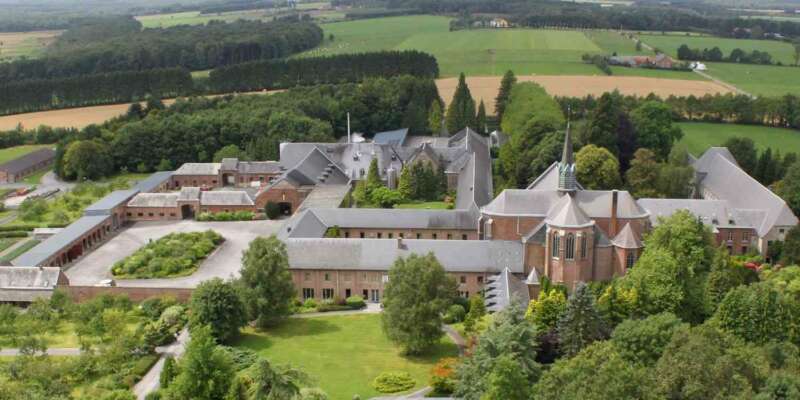
But the journey doesn't stop there. Five 1948, Chimay Rouge (Red) – the first bottle of crimson beer – was born, opening a new era. In 1954, Chimay Bleue (Blue) with its strong flavor (9% ABV) followed, along with the expansion of the factory in 1968 to conquer the world. From a small monastery, Chimay grew into a Belgian beer legend, making the hearts of beer lovers fall in love.
1.2. Chimay Rouge (1948): Post-War Love Song
After the dark years of World War II, Europe craved something warm, sweet and hopeful. And so, in 1948, Chimay Rouge was born – not just a bottle of beer, but a consolation, a warm embrace from the monastery.
Initially, the Dubbel This amber red was reserved for monks and pilgrims, but its rich, smooth flavor with notes of caramel, dried fruit and sweet yeast quickly conquered both the Belgian and European markets.
Not only was this Chimay’s first Dubbel, it also set the standard for Belgian beer styles to come. What’s special? The same precious monastery yeast is used in both Chimay Bleue (Blue) and Chimay White, creating a harmonious yet unique beer family.
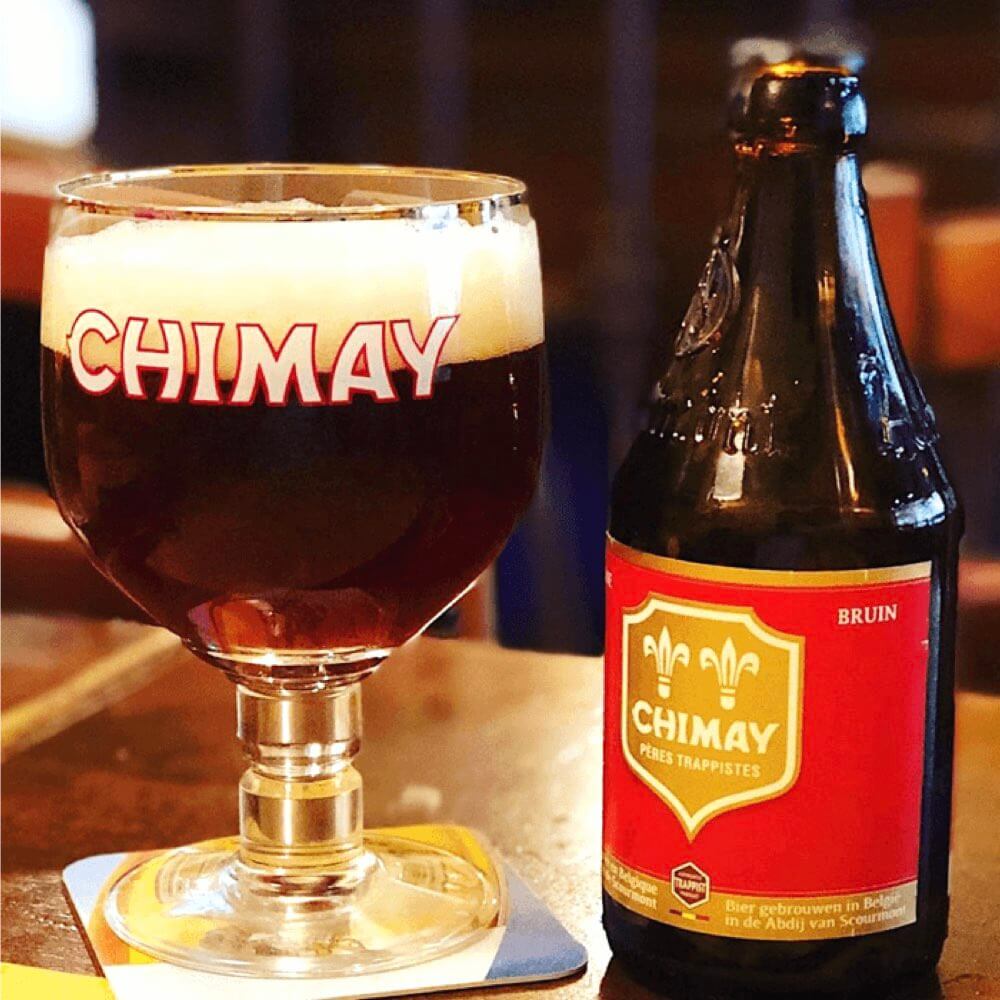
Every drop Chimay Rouge is a story – of tradition, passion and perseverance. When we raise our glass, we are not just drinking beer, we are taking a sip of history.
2. Chimay Rouge: The Crimson Dance of the Monastery Beers
2.1. Style: Dubbel Trappist Essence
Chimay Rouge Not just a beer, but a masterpiece of Dubbel Trappist – the high fermentation ale style typical of Belgian abbeys. Every sip of Chimay Rouge is a journey to discover the perfect balance between strength and refinement, between tradition and innovation.
2.2. Attractive Appearance – Mesmerizing Dark Red
When pouring into a glass, Chimay Rouge glows with a warm reddish-brown hue, like the sunset through a church window. The thick, creamy white foam hugs the sides of the glass, slowly dissipating as a reminder of the patience of the Trappist monks.
With 7% ABV, Chimay Rouge is not too strong but enough to warm the heart of the drinker. The bitterness of 15–25 IBU is just a light touch, mixed with the sweetness of roasted malt, caramel and molasses. The beer body is full and smooth as silk, thanks to moderate carbonation and a careful fermentation process with exclusive Trappist yeast.
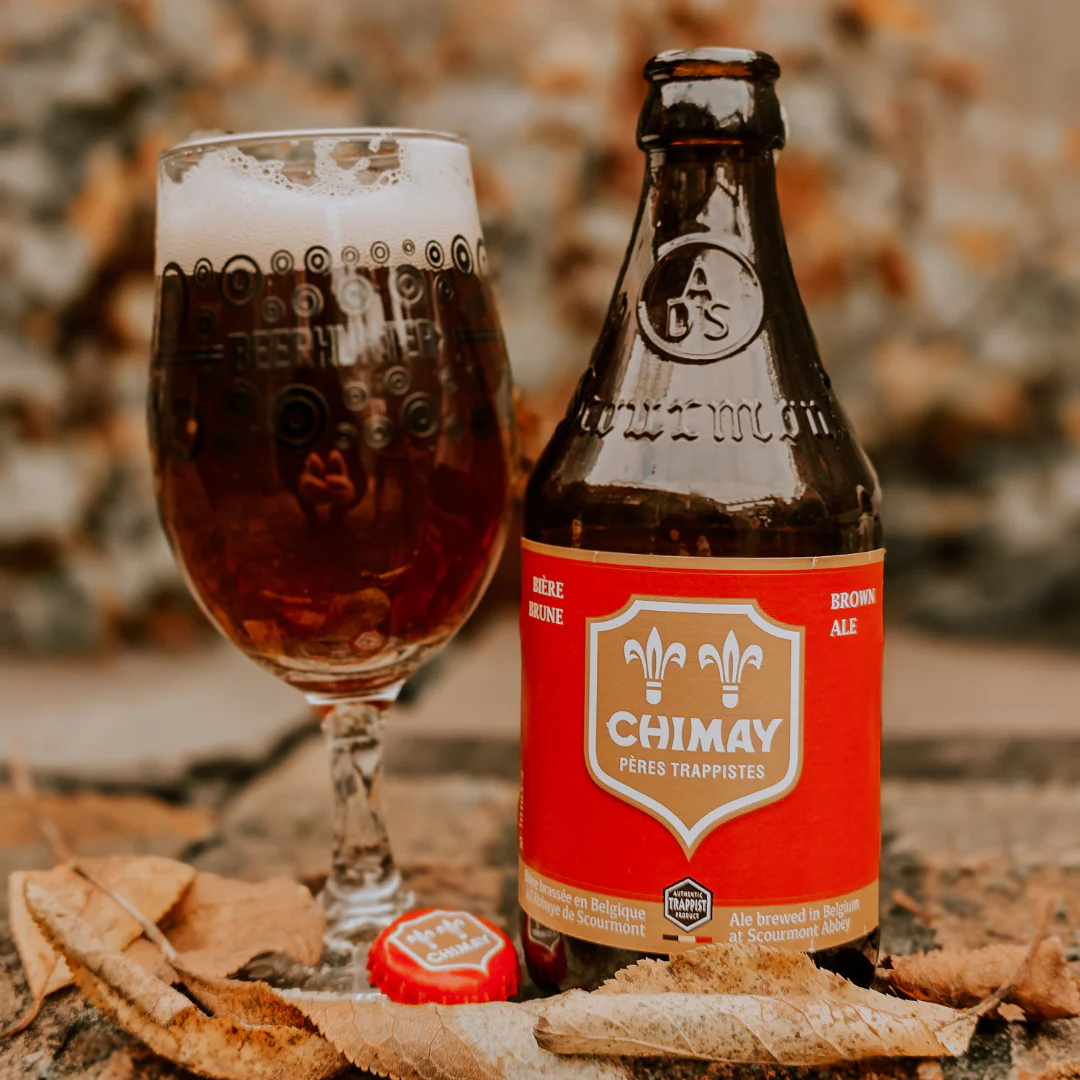
When you raise the glass to your nose, you will encounter:
- Warm malt aroma: Crispy toast, sweet caramel, rich molasses.
- Attractive fruity notes: Dried plums, raisins, hints of ripe pear, sweet apple.
- Mystery Spice: A little pepper, cloves, a hint of warmth from rum.
The finish is smooth, sweet but not cloying, leaving a warm, dry aftertaste – like a hug from the monastery of Chimay.
3. The Art of Enjoying Chimay Rouge: Awakening All the Senses
3.1. Temperature & Beer Glass: When Beer Also Needs to Be “Moderately Warm”
Chimay Rouge is a proud muse – she doesn’t like it too cold, nor does she like it too hot. Indulge her at 8–12°C, when the layers of caramel, dried fruit and spices can gently spread, enveloping your senses.
If it's too cold (<6°C): The flavor will "hibernate", like a muted song. If it's too warm (>14°C): The sweetness and alcohol will rise strongly, losing the inherent sophistication. Let Chimay Rouge wake up slowly, like a warm dawn on the Flanders fields.
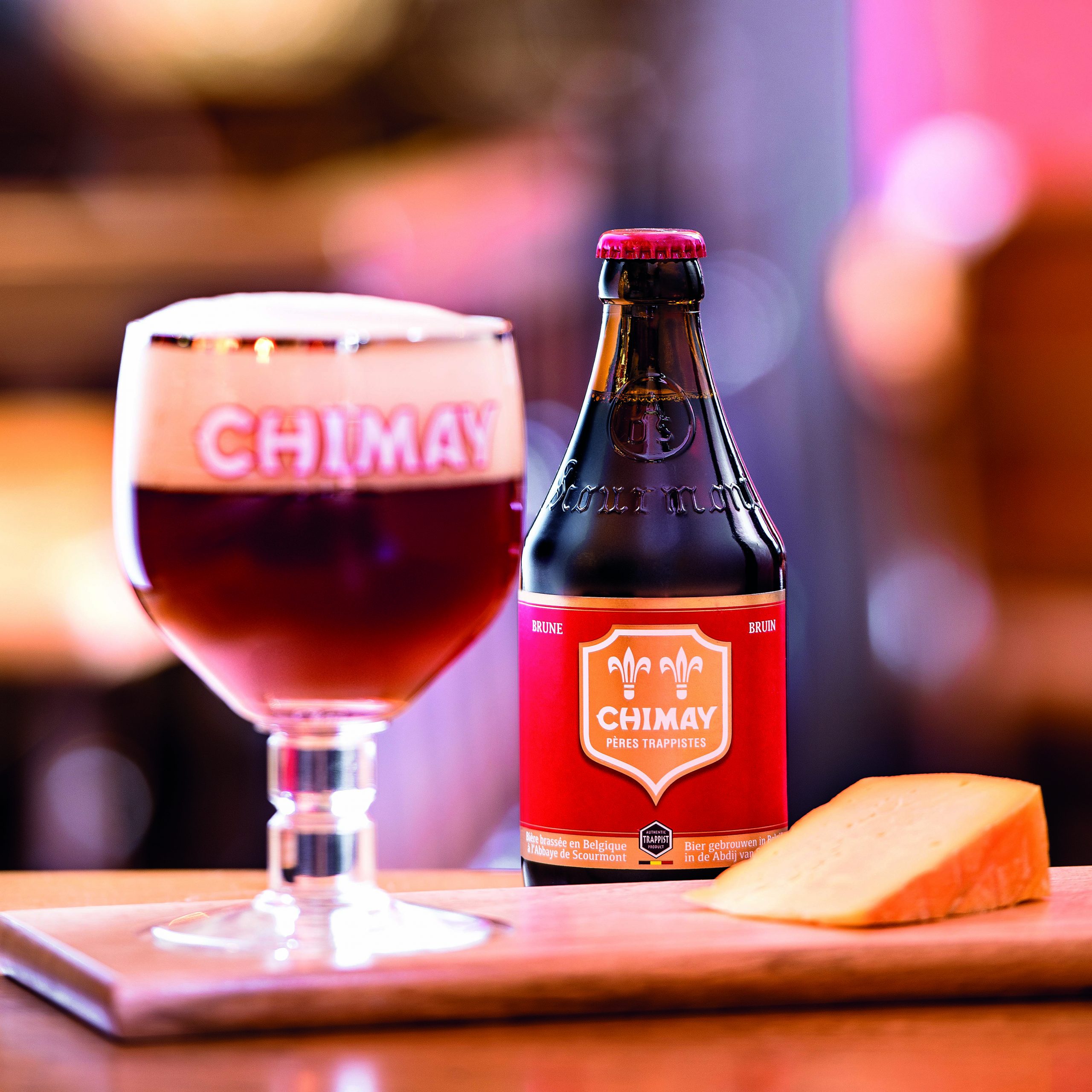
A masterpiece like Chimay Rouge worthy of being cherished in a goblet or chalice – medieval reliquary cups.
- Flared mouth cup: Helps the aromas of fruit, spices and toast rise, awakening your sense of smell before you even taste it.
- Thick cup body: Like an ideal temperature protective armor, not letting cold or heat ruin the experience.
- High stem: Keep your hands away from the body of the glass, to avoid heating the beer with body temperature.
Imagine holding a monastery treasure in your hand, and every sip of beer is a touch of history.
3.2. Food Accompaniment: Perfect “Dance Partners”
- Chimay Rouge She doesn't like to be alone. She wants to be surrounded by worthy flavors:
- Camembert, Brie: The rich, melting flavor blends with the caramel flavor, like a passionate French-Belgian love affair.
- Aged Gouda, Trappist cheese: Rich and complex, tango with aromatic yeast.
- Beef steak, grilled lamb: The umami from the red meat brings out the sweetness from the malt.
- German sausage, mushroom/wine sauce: Salty enough for Chimay Rouge to show off all its sophistication.
- Dark Chocolate (70% cocoa): A slight bitterness kisses the sweetness of the beer, like a romantic movie ending.
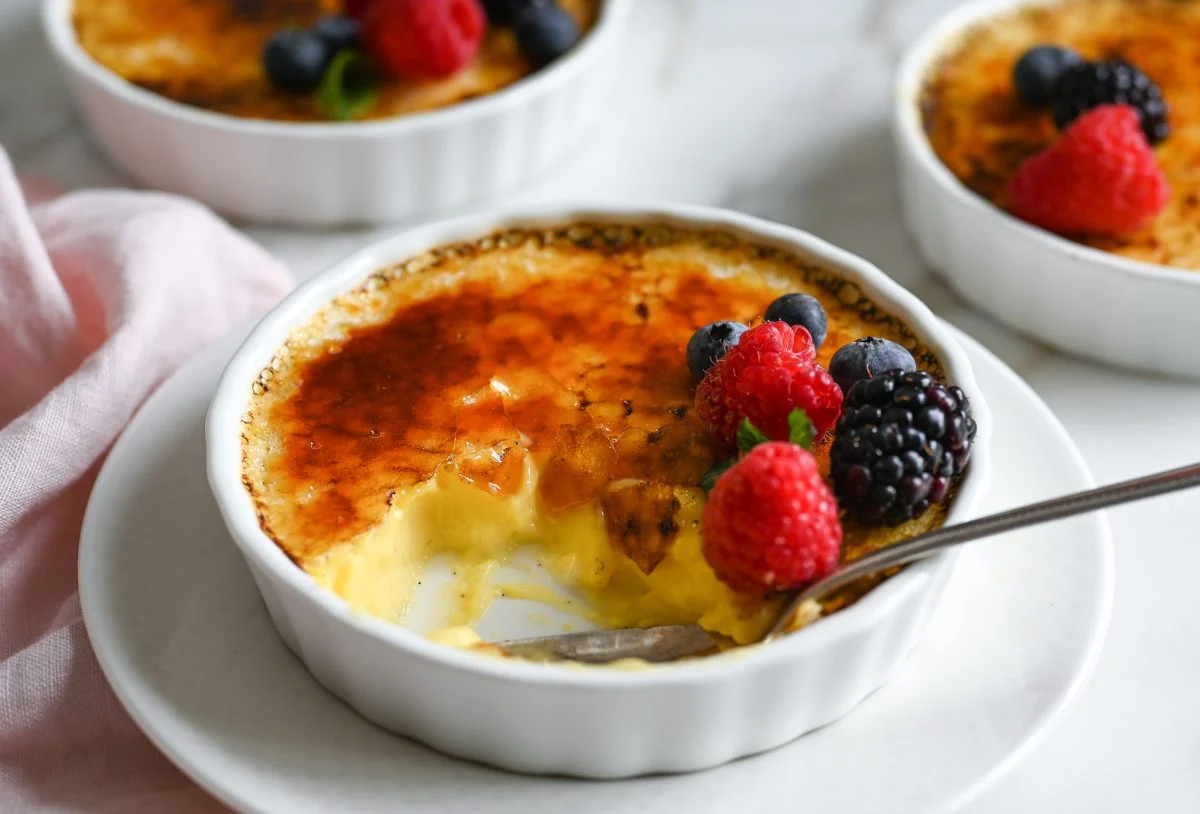
- Crème brûlée:Crispy caramel layer mixed with dried fruit flavor.
3.3. Occasion to Enjoy: When Space is Also a Spice
Chimay Rouge She's not a beer you rush through. She deserves to be cherished during special moments:
- Fall/Winter:When the weather is cold, a warm glass of Chimay Rouge will be like a small fire warming the soul.
- After dinner: As an elegant digestif, it helps the meal end smoothly.
- Christmas/New Year: The deep red color of Chimay Rouge is like a wish for prosperity and happiness.
4. Conclusion: Prelude to a Crimson Masterpiece
I am poem in beer – rhymes that linger between the rich caramel and the warmth of the cloister. Every drop Chimay Rouge Touching Lips is a story about quiet afternoons in Scourmont Abbey, where time seems to stand still in every fragrant grain of malt.
I am not a beer to be drunk in a hurry. I am a love that needs to be tasted slowly, to feel the sweetness of wild honey mixed with notes of dried plums and cloves, to hear the whisper of old oak in the final taste. I am a small fire warming your hands when winter comes, the sunset that dyes the goblet glass red like the sunset shining through the stained glass of a church.
Lift me up, like lifting a Trappist treasure – let the aroma of fermented fruit linger in the soul, let the taste of toast from the 1850s still linger on the tongue. Chimay Rouge is not just a beer, but a legacy of faith, of the art of brewing for 7 centuries.