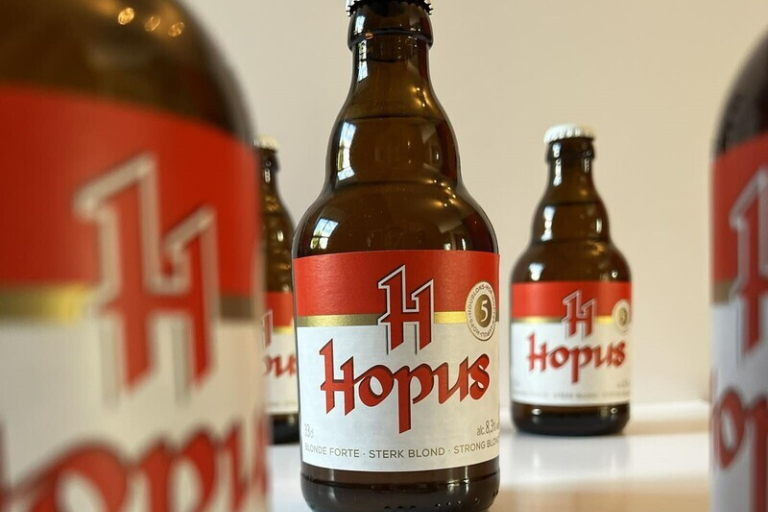

The glass of beer was like an old film that shone with a thin golden light, and when my nose touched the scent, the memory of her emerged more clearly than the bitter taste on my tongue. Seven years had passed, but my heart still held a crease for my first love – not because I didn’t want to open it, but because what had left had taken away a part of me that I couldn’t give to anyone else.
Hopus opens up small afternoons in my mind – rain falling on the roof tiles, a broken smile, regretful promises left unspoken. The light scent of citrus and flowers wafts like her voice, fresh yet distant; the warm bitterness of hops like a belated apology to whom I don’t know.
I sip slowly – to let the bitterness and the memories meet, to know that love can exist in silence, in a breath and in a glass of beer…
1. History of Formation – From “Cuvée Des Mariés” to Legendary Hopus
The cornerstones of Brasserie Lefèbvre was founded in 1876, by Jules Lefèbvre in Quenast. The passage of time and six successive generations has not faded the story of this family brewery, but on the contrary, it has cultivated a habit: respecting the ingredients, cherishing the yeast and being meticulous in every small step. In the factory grounds, each copper pot, each steam pipe and each fermentation tank bears the mark of a family of craftsmen – both cautious with tradition and open to innovation.
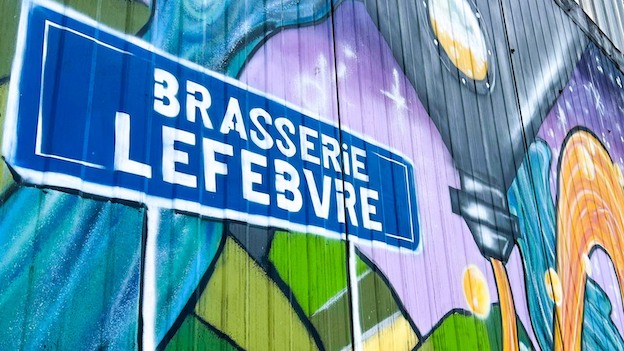
The story about Hopus It started with a small test, a spiritual gift rather than a commercial product. Paul Lefèbvre, in the mood of someone who wants to celebrate and share, created a “cuvée des Mariés” for his wedding day – a beer that carries the warmth of the wedding, of friends and wishes. From the first time, the recipe contained an attractive contrast: fresh floral and citrus aromas like laughter, next to a deep bitterness like a promise. When the test batch became a product, the name Hopus – a combination of “Hop” and “Opus” – appears as a manifesto: this is a work written in hops.
The Hopus version was officially launched around 2008 (Hopus’ 15th anniversary is in 2023), and quickly carved its way onto the Belgian beer map with a bold and graceful attitude. The Hopus character is a meeting of the contemporary IPA world and Belgian yeast tradition: rich hop structure, fruity esters, and a yeast base that creates both aromatic and complex depth. The standard version uses five hops to build the aromas, while Hopus Primeur – a spring limited edition – expands that palette with a sixth hop variety and dry hopping, giving each Primeur a different personality (previous releases include 2013, 2014, 2015, 2016, 2017, 2018, 2019, 2020).
Over time, the formula hasn’t stood still. At the 15-year mark, the factory made subtle adjustments to find a better balance – toning down the harshness, highlighting the fruitiness and increasing the sense of harmony, giving Hopus a touch of a strong blonde while still remaining true to its core. Belgian IPA and characteristic warmth 8.3% ABV. It is a testament to a philosophy: intentional change to serve the experience, not change to erase the roots.
2. Hopus Taste and Experience
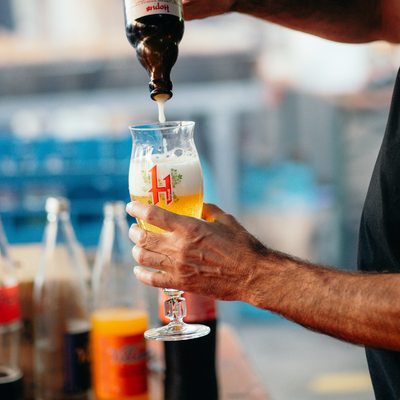
Open a bottle Hopus like opening the door to a room full of memories, where all the senses are awakened at once. The first impression comes from the sight: shimmering golden yellow, sparkling like the afternoon sun falling on a wooden table, a thick layer of white foam covering the rim of the glass, smooth and durable, reminiscent of a veil covering a deep secret.
2.1 Aroma – Whisper of Hops
Bring the glass closer and you will smell it. citrus Bright, with a hint of citrus mixed with a hint of slightly bitter grapefruit peel. Then comes the scent of white flowers and herbs, like a spring garden when the wind just blows through. The characteristic Belgian yeast carries fruit ester – Ripe bananas, sweet pears, sometimes a hint of light spices, creating rich and attractive layers of aroma.
2.2 Taste – Multi-Chapter Music
At the first sip, the taste malt sweet The opening is soft and warm. But in an instant, the five hops in Hopus come together, creating a distinct bitter climax – not harsh, but crisp and clean. The bitterness is balanced by the Belgian yeast, making the beer both powerful and graceful. As you drink it slowly, fruity flavors like green apple, pear, and a touch of floral emerge, creating a multi-layered experience, like reading a novel where each page reveals a surprise.
2.3 Aftertaste – Unforgettable Aftertaste
Hopus closes with lingering bitter aftertaste, clings to the palate but is not rough. Warmth from 8.3% ABV The finish spreads like a small flame, leaving a relaxing and deep feeling. Beer connoisseurs often describe this feeling as a long dialogue, as the bitterness and fruit continue to converse with each other long after the beer has passed down the throat.
2.4 Drinking Feel – Delicate Balance
The beer body is at the level medium body, creating a solid but not heavy feeling. The moderate amount of gas makes each sip of beer lively, bubbling gently on the tip of the tongue. Hopus is neither massive nor fragile, it is in the middle, steady like a man who knows how to control his emotions.
2.5 Differences From Regular IPA
Compared to many modern IPAs which tend towards dry bitterness and strong hop aromas, Hopus for a more balanced experience. Belgian yeast adds layers of fruit and spice, making the beer not just a “bitter hit” but an emotional journey. This is why many beer lovers consider Hopus as a bridge between two worlds: modern IPA and Belgian tradition.
Each sip of Hopus is therefore not just a beer, but a symphony of golden light, citrus, fruity, bitter and warm aftertaste. A song that the drinker always wants to repeat, to find new notes of flavor never felt before.
3. Hopus Variation – When Art Never Stops Creating
Journey of Hopus not only stop at the standard version, but also expand through variations bearing the creative mark of Brasserie Lefèbvre. The subtle differences in each product line have turned Hopus into a multi-colored picture, where every beer lover can find their own color.
3.1 Hopus Standard Version
This is the core spirit, produced year-round and using five different hops. The recipe creates a distinctive balance: light sweetness from the malt, sharp bitterness from the hops and Belgian yeast with fruit esters, making each sip both powerful and harmonious. This is the “masterpiece” from which other variations are born.
3.2 Hopus Primeur
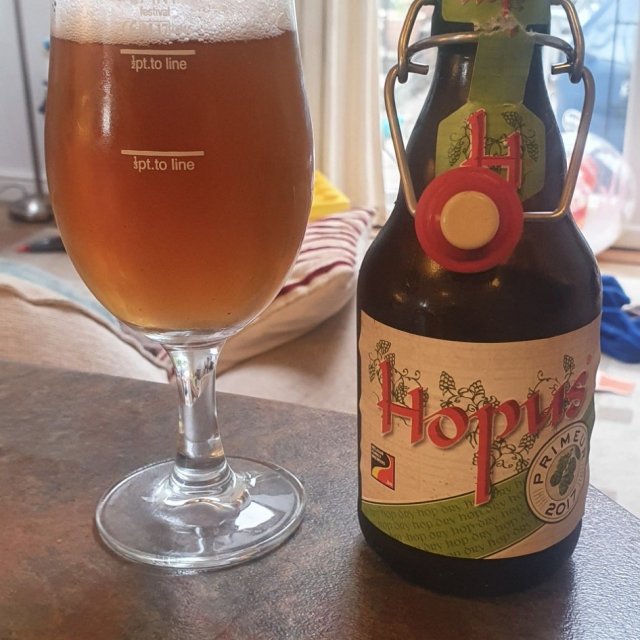
Spring launch, Hopus Primeur is a limited edition that many beer lovers are looking forward to. Its highlights lie in:
- Friday Hop Type: Add new flavor nuances, creating uniqueness each year.
- Dry Hopping Technique: Helps emphasize the fresh aroma of hops, making Primeur more lively and attractive.
- Each Year's Character: The years from 2013 to 2020 all have variations in flavor, like a collection of emotions that beer connoisseurs want to collect to compare and experience.
4. International Awards – Marks Affirming Position
In the world of craft beer, awards are more than just shiny medals, they're recognition of the hard work, creativity, and passion that goes into every drop of beer. Hopus has affirmed its position by being continuously honored at many prestigious international competitions, which gather the most demanding beer tasting experts.
4.1 Best Belgian Beer Of Wallonia – Gold (2014)
This win is of special significance, as it is an award reserved for beers brewed in the Wallonia region, the homeland of Brasserie Lefèbvre. Winning the Gold Medal not only elevated Hopus in the eyes of the professional world, but also affirmed Lefèbvre's love and pride for the land that had nurtured them for generations.
4.2 Brussels Beer Challenge – Silver (2014)
The Brussels Beer Challenge is one of the most prestigious events in Europe, bringing together hundreds of beers from around the world. Hopus's Silver Medal win proves that the style Belgian IPA This beer is competitive with international rivals, offering an unforgettable difference thanks to the unique combination of Belgian yeast and modern hops.
4.3 European Beer Star – Bronze (2010)
The European Beer Star is considered the “Oscar” of the European beer industry. The Bronze Award that Hopus won in 2010 was a milestone, as it was the first time the name Hopus was featured in an international event. Among hundreds of beers submitted from all over the world, Hopus still stood out thanks to its unique balance: bitter but subtle, complex but approachable. This gave Hopus a solid foothold and attracted the attention of the global beer community.
4.4 Australian International Beer Award – Silver (2010)
Not only conquering Europe, Hopus also crossed the ocean to assert itself in Australia. In 2010, Hopus won the Silver Medal at the Australian International Beer Award, one of the largest beer competitions in the Southern Hemisphere. This achievement opened the door for Hopus to enter the international market, proving that the taste of Belgian identity can touch the hearts of beer lovers anywhere in the world.
5. The Art of Enjoying Hopus
To enjoy Hopus complete, the drinker does not simply open the bottle and pour the beer, but enters an artistic ritual where every little detail contributes to the full and profound experience.
5.1 Temperature – The Key to Awakening Flavor
The ideal temperature to drink Hopus is between 8-12 °C. At this temperature, the beer is cool enough to retain the freshness of the hops, while being warm enough to highlight the fruity esters from the Belgian yeast. If the beer is too cold, the bitterness will be masked, and the complex aromas will not be able to open up. If it is too warm, the heat will overwhelm the balance that is characteristic of Hopus.
5.2 The Right Cup – Where the Essence Is Stored
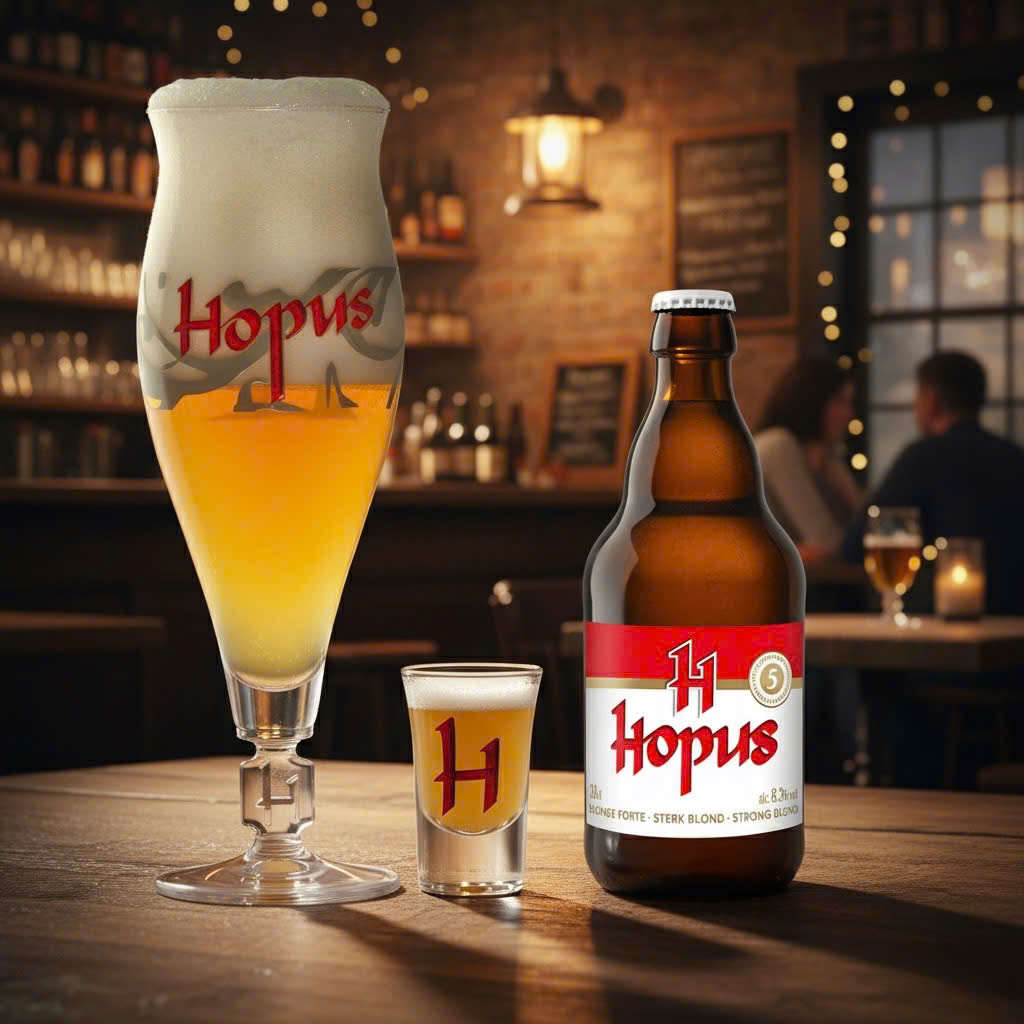
The Tulip glass is recommended for Hops, as its slightly flared mouth keeps the foam in place, while the bulging body allows the aromas to develop. When swirled gently, the soft white foam floats like a small pillow, supporting each aroma, allowing the drinker to fully enjoy both the nose and mouth. Some beer connoisseurs also prefer a Snifter glass to emphasize the warmth and the more intense fruity esters.
In particular, when enjoying Hopus, it also comes with a small shot glass, reserved for the bottom yeast remaining after pouring. All the essence, all the vitality of the yeast are gathered in this last sip. People say, drinking that shot is like sipping a low note that gently resonates, maybe harsher, stronger, but opens up a very unique aftertaste, like the haunting ending of a love song. It is a ritual that only those who truly want to understand Hopus dare to try, to know that beauty often lies in the remaining part, where the essence settles to the bottom of the bottle.
5.3 Pouring – The Opening Moment
Tilt the glass at a 45-degree angle, pour the beer slowly halfway up, then stand the glass upright and pour again to create a thick, smooth layer of foam. This layer of foam is not only beautiful, but also acts as a curtain, keeping the aroma from escaping too quickly. Watching the foam rise in the shimmering golden light is part of the fun, like admiring a vivid painting.
5.4 Order of Enjoyment – Hearing, Seeing, Smelling, Tasting
- Listen: The soft pop of the lid signals the beginning, like a musician playing the first note in a symphony.
- Look: The golden color and thick white foam are visually stimulating, making the drinker crave more.
- Smell: Bring your nose close to the glass and take a deep breath to capture the citrus, floral, and fruity aromas.
- Taste: Take the first sip, let the sweet malt invite you, then the bitterness gradually rises, ending in a long aftertaste.
5.5 Food Pairing – When Beer Goes With Food
- Mildly Spicy Seafood: Shrimp in curry sauce, steamed clams with green pepper – the bitter and citrus flavors of Hopus balance the spiciness.
- Bold Cheese: Comté or blue cheese – creamy, slightly salty, creating an interesting counterbalance to the bitterness.
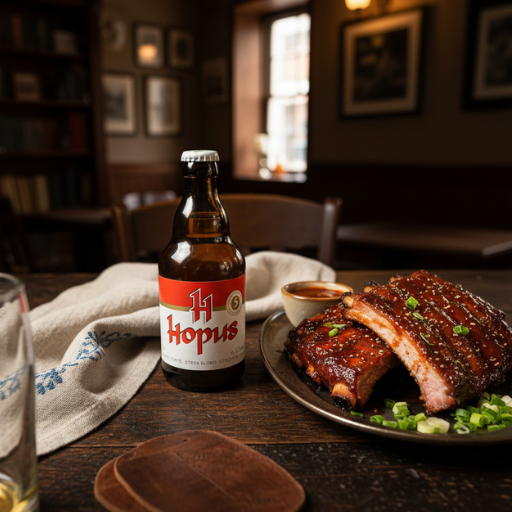
- Grilled meat: Charcoal grilled pork ribs, rare beef steak – the smoke and fat blend with the bitterness, creating a strong feeling.
- Dessert: Lemon Meringue Pie, or even the dark chocolate 70% – sweet and sour or bittersweet in tandem, elevating the citrus and Belgian yeast notes.
6. Hopus in Memories of Saigon
There are moments when a beer is not just a drink but becomes a memory, a story that people want to tell over and over again. Hopus has carried that role in Vietnam, when it was exclusively distributed in Belgian Beer Kingdom Beer & Barrel in Saigon
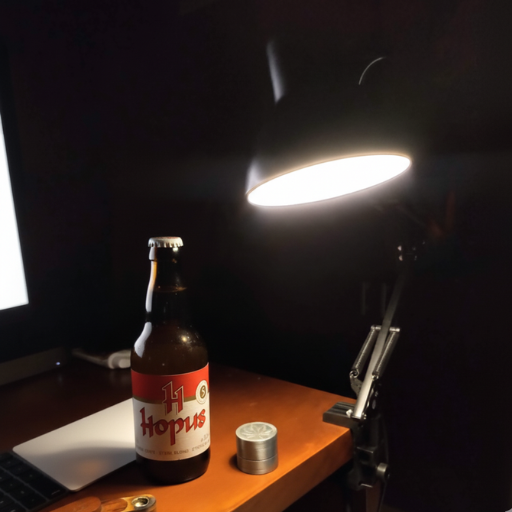
Amidst the bustling streets, Beer & Barrel is like a small oasis with European flavors. There, Hopus is poured into a Tulip glass under the soft light of a yellow lamp. Customers sit back, raise their glasses, and suddenly find themselves falling into a distant memory. Some say that the bitter taste of Hopus is like a night jazz song, sometimes off-key, sometimes profound, but the more you listen, the more you love it. Others laugh, saying that Hopus reminds them of a past love: passionate at first, then leaving a lingering, unfading aftertaste.
On windy Saigon evenings, Hopus is like a friend who knows how to listen. It is not noisy, not hurried, just gently by the side, letting the drinker unravel each layer of memories in their heart. Sometimes, just a sip of beer is enough to make them feel like they are touching something distant but sweet. People come to Beer & Barrel to drink beer, but leave with a new story, in which Hopus always plays the main role.
In Vietnam, Hopus was once a strange note in a familiar harmony. It not only made people drunk, but also made them dream. And perhaps, that is the reason why those who drank Hopus in Saigon always remember it as a piece of their life – small but sparkling, like the yellow light reflected in a glass of sparkling beer.
7. Conclusion – The Last Breath of Memory
Back with a beer in hand, I know that the journey together Hopus no different from the journey of a heart that has loved and lost. If in the beginning, the bitter taste reminds of a distant first love, then here, the ending is just a continuation of nostalgia, where memories and beer become one. Hopus, in every sip, shows me that there are pains that do not need to be healed, but only need to be preserved, like an old photo frame that has faded with time.
The bitterness of beer, the sweetness of memories, all meet in the last breath in the throat, leaving a quiet echo like a sigh in the middle of the night. And perhaps, that is the deepest meaning of enjoying Hopus – it teaches us how to cherish even the things that have been lost, how to love again in silence.
"The beer glass is empty, people's hearts are not exhausted.
Old love, Who will keep it for me?