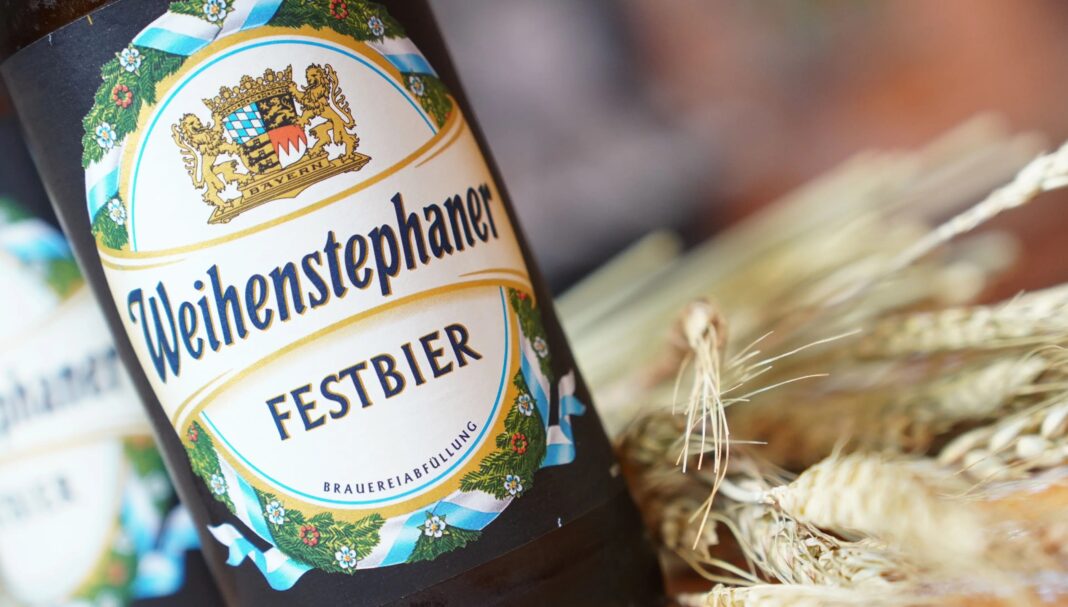

Imagine a late September afternoon in Bavaria, when the yellow leaves flutter in the gentle breeze, traditional music echoes from a colorful square, and in your hand is a glass of deep golden beer, the white foam as smooth as early autumn clouds. That is Christmas Eve – the soul of German autumn festivals, a symbol not only of taste but also of culture, memory and joy of reunion.
Born from the heart of the land Freising ancient, home to the world's oldest brewery – Christmas, Festival Bringing with it not only the century-old brewing technique but also the festive spirit, the freedom and closeness. Not noisy, not ostentatious, but each sip of Festbier awakens all the senses, taking the drinker on a gentle but profound journey.
And if you've never known a beer that makes your heart smile, then maybe it's time to get acquainted with Weihenstephaner Festbier.
1. The Legendary History of Weihenstephan: Nearly 1,300 Years of Enduring Time
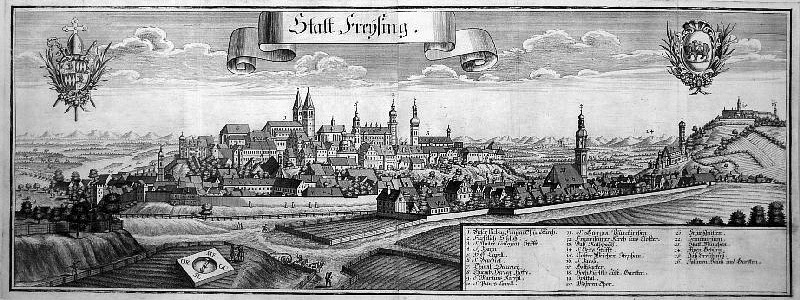
In the heart of Germany's peaceful Freising region, where barley fields stretch out like a golden carpet under the autumn sun, A magical story that began in 725When Saint Corbinian laid the first stones of Weihenstephan Monastery, he not only opened a religious space but also sowed the seeds of a tradition that will endure through time: brewing tradition.
Just over 40 years later, in year 768, the first records of a hop garden serving the monastery farm appeared. The first hops here seemed to absorb the soul of the land, slowly transforming themselves into pure ingredients for a drink that has captivated generations.
1.1. Year 1040: Sacred Milestone
According to recognized historical documents, 1040 marks an important milestone when the monastery was granted official right to brew and sell beerAlthough the original text may have appeared later (in the 17th century), it is still considered legendary year of origin for the world's oldest brewery.
From that point on, Weihenstephan almost never stopped. Fire, cholera, earthquake, war – each historical storm came, but could not extinguish the passion that still burned in the hearts of the brewers here.
1.2. When the Monastery Became a National Symbol
1803, the monastery was dissolved, it seemed that this tradition would be forgotten. But no – The Bavarian state took over and continued to produce beer. under the name Königlich Bayerische Staatsbrauerei Weihenstephan, as a way to preserve special cultural heritage.
From 1852, the factory is closely associated with the Institute of Technology and to 1921, officially named today: Bayerische Staatsbrauerei Weihenstephan. This is not only a beer production site, but also a living laboratory where students from the Technical University of Munich study and practice in a space filled with the smell of malt and hops.
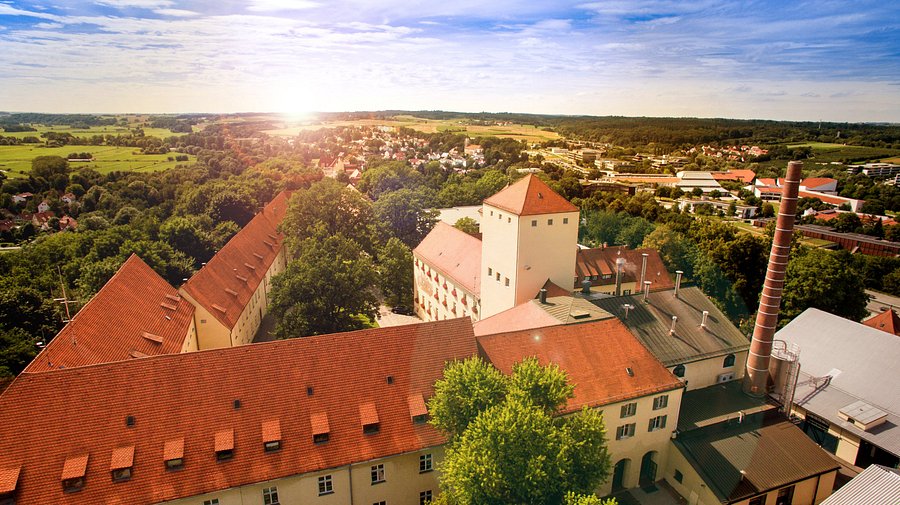
From 2009, Festbier has begun to appear with a traditional recipe mixed with the essence of modern science: selected barley, elegant Hallertau hops, and a strict brewing process as a ritual to honor ancient heritage.
1.3. Fall 2022: A Turning Point
For the first time, Weihenstephaner Festbier is available in 500 ml cans. and exported to the US in the fall of 2022. Each can is not just a product, but an enchanting invitation from faraway Germany - where autumn not only brings golden leaves but also drops of beer full of memories into people's hearts.
Can design Reflects more than 1,000 years of heritage same spirit Oktoberfest tradition, making each time the lid is opened like opening an epic chapter in everyday life.
1.4. Origin & Global Vision
Festbier was born to serve the people Freising during the autumn festivals, where every sip of beer is a blessing from heaven and earth. But its journey does not stop at its homeland. With US market launch from 2022, this beer is in progress dual mission:
- Preserving the Bavarian festive identity.
- Conquering the hearts of international beer lovers with flavors that are both traditional and accessible.
2. Festbier Style: When Balance Becomes Art
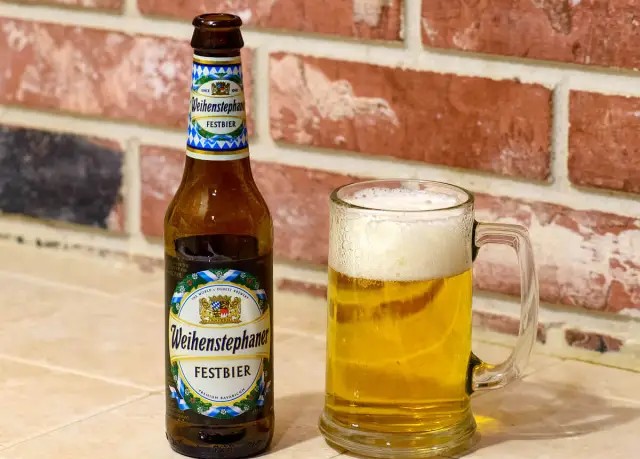
In the world of traditional German beer, where every drop is crafted as a symphony of history and technique, Festbier – or also known by poetic names like “Wiesnbier” good “Oktoberfest” – emerges as a symbol of autumn, of festivals, and of endless joy.
2.1. A True Representative of the German Pale Lager Line
Festbier belong to group German Pale Lager, specifically in the section 4B of BJCP – not Ale, IPA or Cream Ale. This is a bright European beer, representing the standard, tradition, and elegance in the world of Lager. In Germany, the name “Wiesnbier” commonly used in Oktoberfest – where millions of people raise their glasses every year to the vibrant music and magical colors of October.
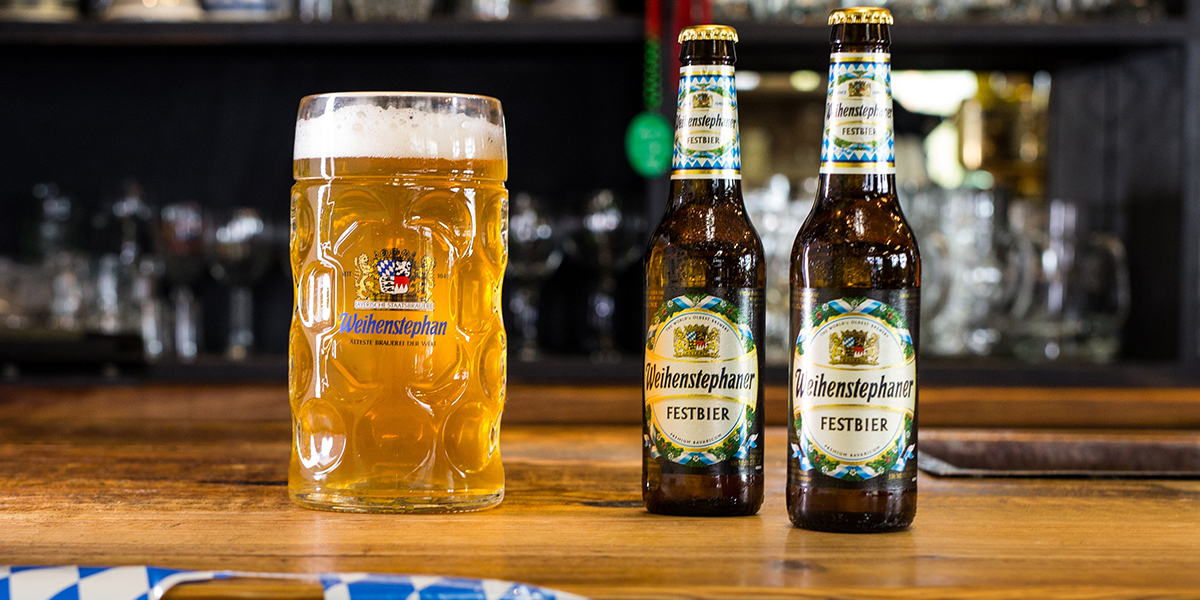
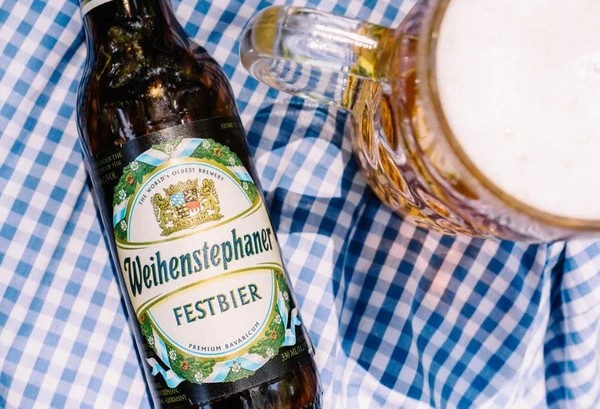
Deep Yellow Like Sunset Freising:At first sight, Festbier captivates the beholder with its beauty. dark yellow to deep yellow. With Weihenstephaner's version, the color is described as deep gold, bright and sparkling like a late autumn afternoon on the dome of an ancient church. This is the kind of light that makes you want to stop, raise a glass and admire it.
Perfect Structure To Enjoy: The alcohol content of Festbier usually ranges from 5.8–6.3%, enough to warm the heart without being overwhelming. With 26 IBU, the bitterness of Weihenstephaner Festbier reaches a balanced threshold, just enough to contrast gently with the malty sweetness, making each sip of beer like a harmony of layers of taste.
Mouthfeel of Festbier is a sensual smoothness: medium body beer, Slightly creamy, moderately carbonated. When it touches your lips, you will feel the velvety foam gently melt away, leaving a warm aftertaste like a hug on a chilly day.
2.2. When Taste Becomes an Adventure
The Festbier doesn’t explode, it whispers. The lightly toasted malt, the fragrant bread, the aromatic barley, and the delicate herbal hops all dance gently on the tongue. The beer is slightly sweet but finishes cleanly, without stickiness, without heavy caramel or deep burn – just a gentle, nostalgic silence.
2.3. Festbier and its relatives
Compared to Helles, Festbier has higher concentration, less sweet, with a slightly richer color and a silky soft body. But if placed next to March – the classic Oktoberfestbier – the Festbier is a more accessible option: brighter, lighter, easier to drink and especially quaffable – a word beer lovers use to describe a beer that you can drink many glasses in a row and still find pleasant and easy to love.
Of all the names that represent Festbier, Christmas Eve is a masterpiece. It is the embodiment of thousand year tradition associated with the land of Freising. The colors are as sparkling as autumn, the structure is full, the white foam is as thick as morning dew, and above all – the perfect balance between tradition and modernity, between technique and emotion.
3. How to Enjoy Festbier: Raise Your Glass at the Perfect Moment
Enjoying Festbier is not simply drinking beer – it is a delicate art, where every detail from temperature, glass to accompanying dish contributes to creating a wonderful symphony of flavors.
3.1. Ideal Temperature & Glass Type – Preserving the Delicate Flavors
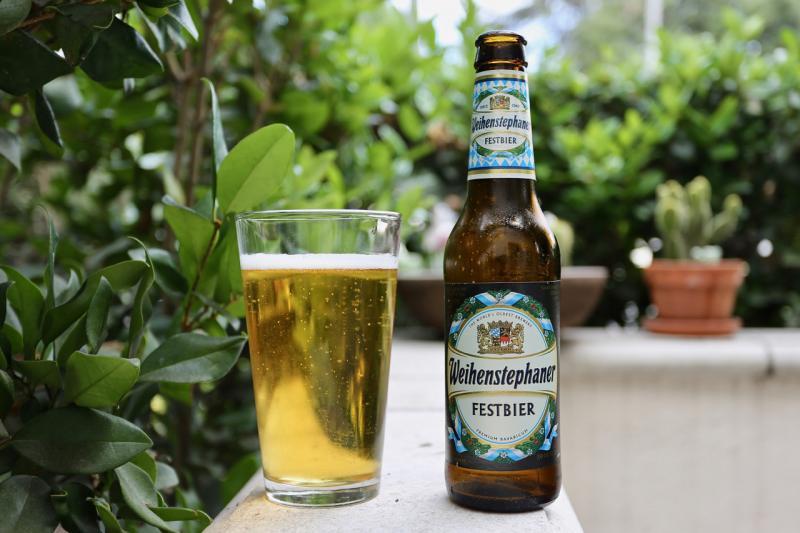
Festbier should be served at room temperature. 6–8 °C (equivalent to 42–46 °F). Don't let the beer get too cold – this moderate coolness helps keep it warm malt flavor and soft hop aroma. The ideal temperature will awaken every complex aroma note, making each sip of beer more vibrant and attractive than ever.
When mentioning Festbier, the image of the glasses is indispensable. Mug/Stein (Meßkrug) – thick glass cup, with sturdy handle, just right keep cold well, creating a smooth and beautiful layer of foam. This design also makes it easy for drinkers to raise their glasses in the jubilant atmosphere of autumn festivals.
However, if you are enjoying it alone in a quiet space, try using Tulip pint glass – the cup has a slightly flared mouth to help retain the fragrance and brings the entire layer of delicate aroma into every sip. An emotional, deep and profound experience.
3.2. Food Pairing – When Food and Beer Go Together
Festbier is the ideal companion to many traditional and modern dishes. According to experts and the Weihenstephaner brewery, these are the perfect combinations:
- Roast chicken with crispy skin and soft, aromatic flesh, combined with the gentle malt flavor of Festbier.
- Alpine cheese like Gruyère or Emmental – rich, lingering flavors on the tongue.
- Grilled Bratwurst, sour sauerkraut, crispy pretzels with a dash of rich mustard – the classic foursome at Oktoberfest.
- Modern dishes such as pizza, BBQ, American style grilled chicken, or potato pancakes are all elevated when accompanied by Festbier.
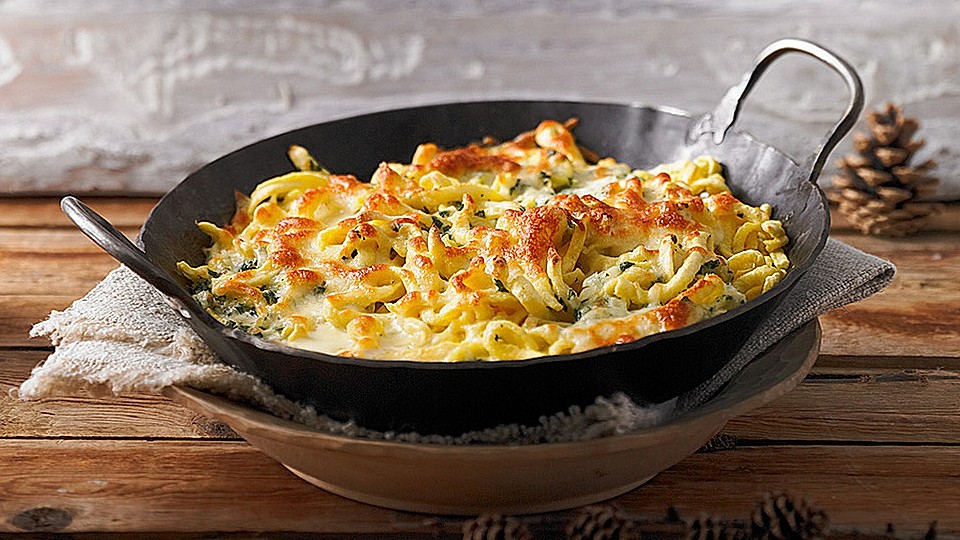
- And don't forget Dressing table – chewy, fatty, delicious German cheese noodles apple strudel for dessert – to end a party on a sweet note.
3.3. Ideal Occasions – Moments Worth Raising a Glass
Festbier was born to shine in traditional festivals like Volksfest good Oktoberfest, where music, laughter and colors come together. But without a big event, you can also enjoy it on occasions:
- Outdoor Picnic under the brilliant autumn trees.
- BBQ Party cozy in the backyard
- Family meal with family or close friends – where the deliciousness and easy drinking of Festbier creates a cohesive and emotional atmosphere.
4. Conclusion: Festbier – The Breath of Bavarian Autumn
In a world of thousands of different beers, Christmas Eve quiet but always distinguished by its sophistication, smoothness and friendliness. It is a beer that needs no introduction – just one sip and people will understand immediately why it has been loved for generations. From the deep golden color to the smooth foam like morning dew, from the aroma of toasted bread, herbal hops to the light, clean taste – everything in Festbier seems to be distilled from ancient German values.
More than just a festival drink, Weihenstephaner Festbier is a bridge that connects people, a catalyst for joy, laughter and togetherness. Whether you raise a glass in the crowded Oktoberfest square or around a BBQ in your backyard, Festbier is always present as a gentle invitation: “Slow down, share the moment, and enjoy every sip of beer as if it were the last autumn of your life.”