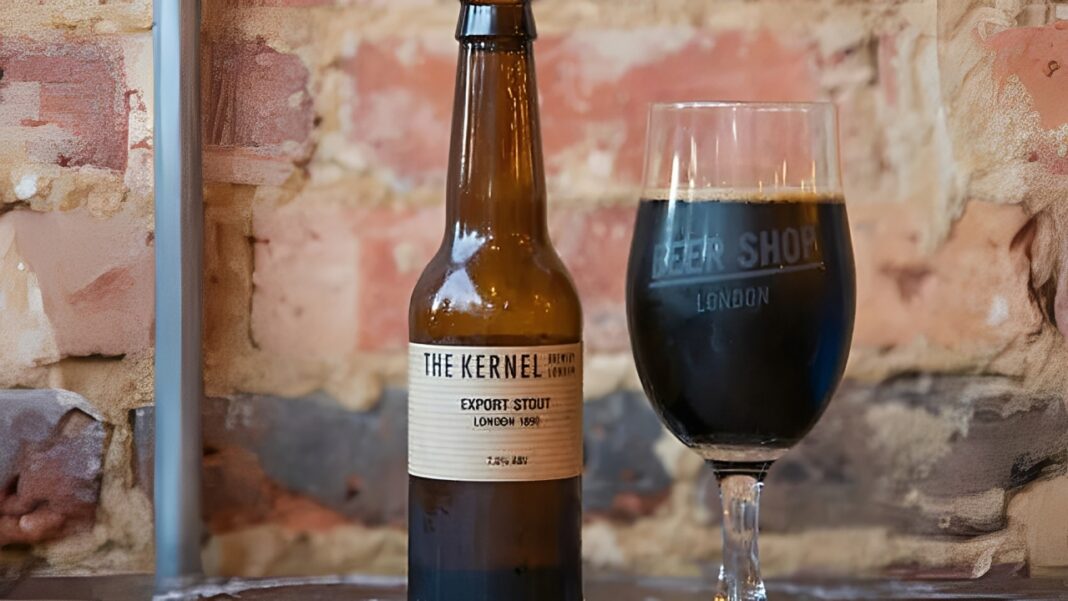

The yellow lights hung in the old pub, cigarette smoke mixed with the musty smell of oak. On the wine-stained wooden table, a bottle of beer as dark as the London night stood, silent and seductive. It was no ordinary drink – it was a time machine that contained the soul of the city, a Export Stout London 1890 with a story that needs to be told with taste…
This beer is more than just a product of fermentation. It is a symphony of history, where every drop carries the breath of ancient breweries, the saltiness of the sea journey and the love of original craftsmanship.
The Kernel Brewery did not create, but reawakened that soul from its century-long slumber. When you taste it, you are not just drinking beer – you are tasting a past history.
1. The Kernel Brewery: The Story of the First Pots
In a sunny corner of Bermondsey, London (UK), year 2009, a former finance employee named Evgeny Baron bravely entered the world of yeast and malt. With no formal education, just a passion for self-learning, he began his journey in an old warehouse, with a modest one-barrel brewing system. But from there, The Kernel Brewery was born – not as a factory, but as an inspiring laboratory where ancient beer recipes are reawakened.
Their philosophy is simple yet proud: recreating historical flavor from the golden documents, use only local ingredients – aromatic English malts, rich native hops. No loud advertising, no flashy packaging, just a simple sticker clearly state the production date – like a sincere whisper to those who truly understand the value of every drop of beer.
Those milestone Theirs is also very stylish. simple but elegant:
- 2010, they moved to a larger space near London Bridge station, where the beer pots began to speak louder.
- 2012, they bravely closed the on-site bar to focus entirely on production quality – a bold decision, but the right one.
- And to the decade 2020s, The Kernel has become one of the pioneering icons of the British craft beer wave, not through marketing, but through its pure flavor that has conquered the hearts of the most discerning beer connoisseurs.

2. London 1890 Export Stout: A Taste's Journey Through the Century
If there was one beer that could tell the story of 19th century ocean liners, it would be this one. Export Stout London 1890 by The Kernel. This recipe isn't random – it's meticulously reconstructed from an 1890s record of an old London brewery that produced barrels of beer for export to Russia and India.
At that time, London Stout had to be high in alcohol (7-8%) to withstand the long journey at sea – a technical challenge, but also the inspiration for The Kernel to revive this beer in 2012, in their Historical Series collection.
Today, their goal is no longer to serve distant sea voyages, but to bring historical experiences to modern beer connoisseurs. Every sip Export Stout London 1890 is a journey back in time – rich, complex, and nostalgic, like whispers of old London echoing from the past.
3. Style of Export Stout London 1890: A Mysterious Black Masterpiece from the Past
If Stout If a symphony of the world of dark beers is to be believed, then Export Stout London 1890 is a sonata steeped in history – a special branch of the Foreign/Export Stout line, where strength and sophistication blend together. art.
3.1. Origin of Style: The Ocean Journey
Born from 19th century, the lines Export Stout This beer is brewed with a high alcohol content (6–8% ABV) – not for show, but to conquer the long sea voyages from England to Russia, Asia. This is not just a beer, but a time machine, preserving the flavor of the bustling London trading ports of the past.
3.2. Identifying Features: Attractive Black Color
- jet black like a moonless night, the light is almost impenetrable.
- Thick creamy brown foam (head), floating like a layer of cream on a cup of Italian coffee, slow to melt to preserve the full flavor.
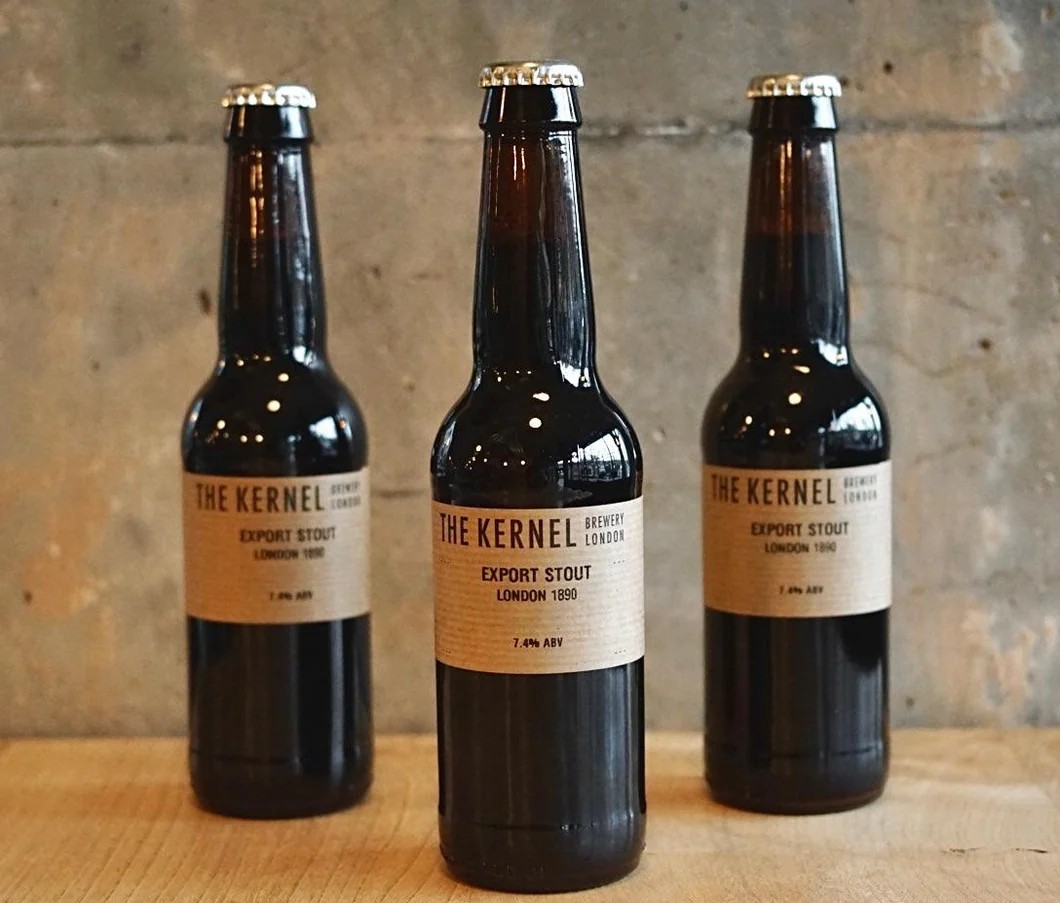
- 7.4% – much higher than Dry Stout (~4-5%), giving a warm, rich feeling, but not as harsh as Imperial Stout (8-12%).
- 50–60 IBU – the perfect balance between the bitterness from English hops (Fuggle/Golding) and the deep sweetness from roasted malt.
- Rich, creamy velvety, thanks to the rich dark malt and barley.
- Moderate carbonation (gas), not harsh, let each layer of flavor slowly spread.
3.3. Signature Flavor: Dinner in Every Sip
- Malt: Dark roast coffee, crumbled dark chocolate, lightly burnt caramel malt – like a warm, resonant sound.
- Hops: Lightly bitter, classic and elegant, not overwhelming but just accented like an artist's brushstroke.
- Finish: Dry, lightly smoky, leaving an aftertaste like an old leather book just closed – lingering without being overly sweet.
3.4. Comparison with Near Style: Where is the Boundary of Boldness?
- Dry Stout (Guinness): Lighter (4-5% ABV), dry bitter, less sweet, like a simple sketch.
- Imperial Stout: Stronger (8-12% ABV), richly sweet, with dried fruit aromas, like an elaborate Baroque painting.
- Export Stout London 1890: Perfect balance – powerful enough to tell a story, delicate enough to listen.
Every sip Export Stout London 1890 It's not just about enjoying beer – it's about tasting history, feeling the journey, and immersing yourself in the mysterious beauty of an almost forgotten style.
4. How to Enjoy Export Stout London 1890: The Mysterious Art of Cherishing Every Drop
4.1. Ideal Beer Temperature & Glass: Warm As London Whispers
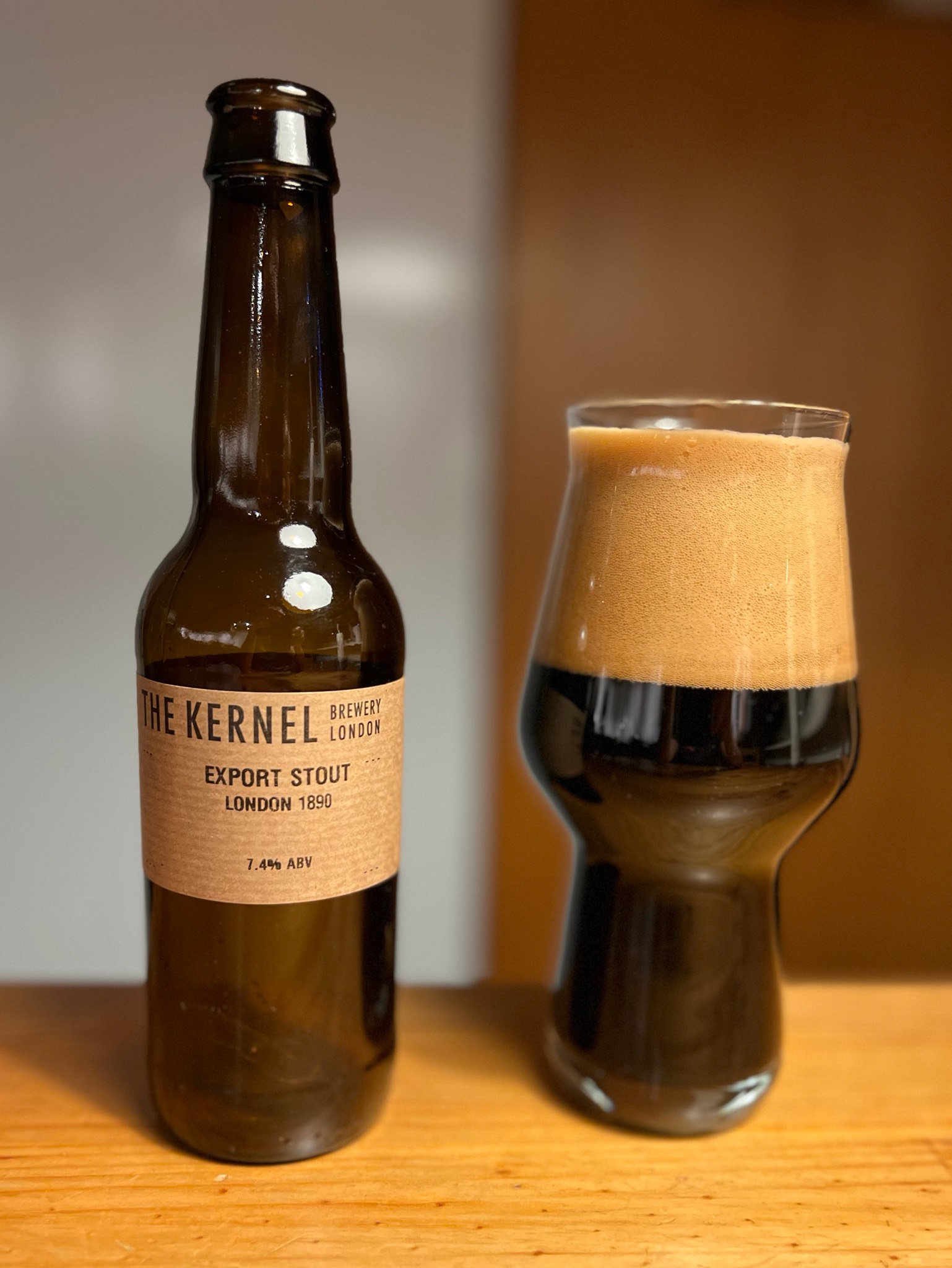
No rush, no cold – 12–14°C is the perfect temperature for Export Stout London 1890 to flourish. Too cold and the layers of roasted coffee, dark chocolate, and caramel malt will be locked in; too warm and the elegant bitterness will become harsh. Let it slowly awaken, like an ancient diary opening page by page.
- Pint glass/Nonic/Tumbler (wide-mouthed glass): Helps the aroma to radiate like warm smoke, inviting you to immerse yourself before tasting.
- Becker glass (low, thick-walled glass): Like a hug, it retains heat and enhances the characteristic smoothness.
- Absolutely avoid chilled glasses. – the cold will freeze all layers of emotion, turning the masterpiece into a lifeless black liquid.
4.2. Side Dishes: A Harmonious Feast of Bitter and Sweet
- Grilled/Smoked Meat (honey pork ribs, pan-seared steak): Umami and smoke dance with deep bitterness.
- Full fat cheese (Stilton, Aged Cheddar, Gouda): The fat melts like dew, caressing the bitterness, revealing the sweetness hidden behind the malt.
- Dark chocolate (70% cacao+): A passionate kiss between bitter and bitter, making both of them explode.
- Brownie/Bread Pudding: Sweet but not overwhelming, creating a caramel-malt harmony.
- Vanilla/coffee ice cream: The temperature and taste contrast – cold and sweet blend with bitter and warm, like winter and a fireplace.

4.3. The Ideal Occasion: When Space and Time Stop
- Cold winter: Each warm sip is like a woolen blanket wrapped around the soul, dispelling the gloomy London cold.
- Intimate dinner party: With cheese and chocolate, under the flickering candlelight, it becomes a talented storyteller.
- After meals: Like a luxurious digestif, gently lulls the stomach to sleep with its mellow bitterness.
5. Conclusion: Export Stout London 1890 – A Black Love Song From The Past
In the noisy world of craft beer, Export Stout London 1890 of The Kernel stands there as a quiet aristocrat – no exaggeration, just patiently waiting for kindred spirits. Each bottle of this beer is a time machine, carrying the breath of 19th century London, of ocean liners and moss-covered breweries.
It's not a beer to drink, but to experience with all the senses – from the mysterious black color, the proud brown foam, to the bitter-sweet-smoky dance on the tip of the tongue. Each sip is a dialogue with history, when a 130-year-old recipe suddenly comes alive through the hands of modern artisans.
This is the beer for you slow moments: when the night falls, when the fire in the fireplace is writhing, when we want to find the original beauty of the art of brewing. It does not make you drunk, but it makes you immersed – immersed in the depth of malt, in the story of a lost London, and in the quiet pride of craftsmanship.