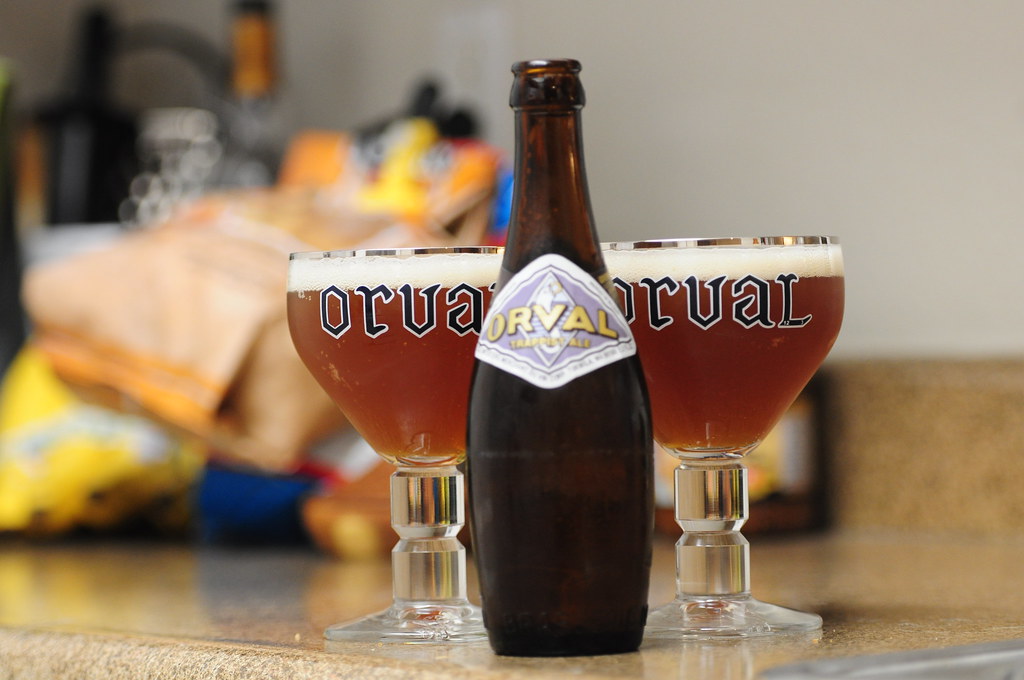

In the ancient monasteries of eastern Belgium, where time seems to stand still between moss-covered stone walls, there is a beer that is nurtured with faith and endless patience. It is not just a drink, but also the embodiment of a sacred tradition – where every drop is imbued with the prayers and hard work of the monks. Orval Trappist Ale is the treasure born from that magical blend, carrying within it the story of Countess Mathilde, the legendary goldfish and the brewing secret preserved for centuries.
As the sunset dyed the flower gardens around Orval Abbey golden, People often talk about that sparkling amber beer – not only captivating people with its taste, but also with the extraordinary journey behind each bottle of beer. From 1070 to the present, through many historical events, Orval has kept intact the spirit of the Trappist line: humble in form but extremely complex and profound in every layer of flavor.
1. History Weaving Legends: Orval Brewery and Abbey
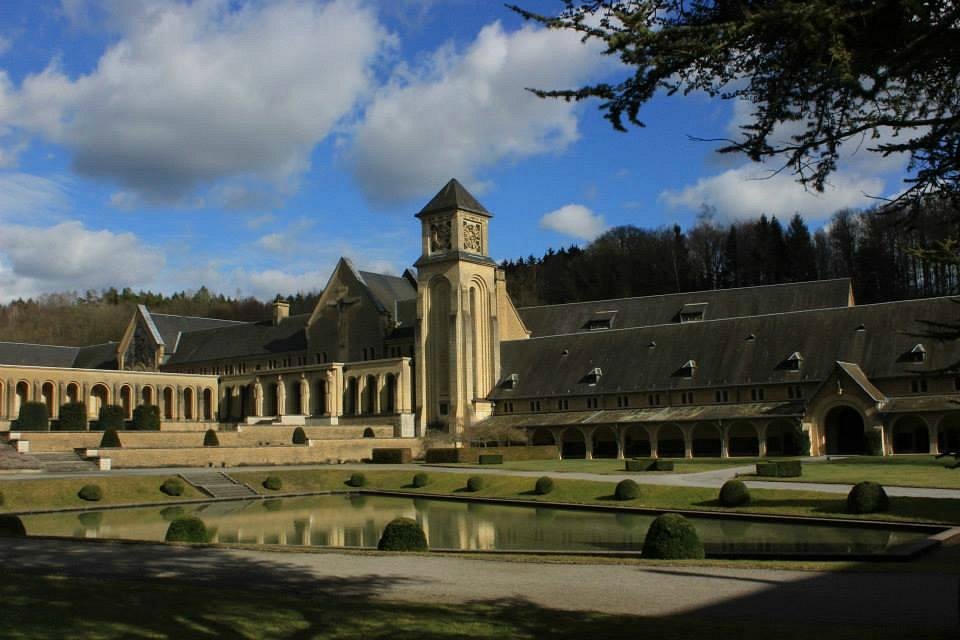
Year 1070, when the first rays of the 11th century shone on the peaceful region of Gaume (now Belgium), Abbaye Notre-Dame d'Orval (Abbaye Notre-Dame d'Orval) was built as a stone prayer. However, historical upheavals left this place in ruins after the French Revolution (1793). It was not until 1926 that the monastery bells rang again as Trappist monks painstakingly rebuilt each broken brick.
Year 1931, a small brewery built on the monastery grounds—not for commercial ambition, but to nurture spiritual life and charitable activities. In the Trappist tradition, every drop of beer is a silent labor, a gift from the earth. In 1932, under the talented hands of German beer researcher Pater Matthias, the batch The first Orval officially born, starting a culinary legend.
1.1. Name Orval: Fairy Tale in Everyday Life
According to legend, in the 11th century, Countess Mathilde of Tuscany dropped the precious ring into the stream in the monastery. Suddenly, a shiny goldfish (Val d'Or – Golden Valley) emerged, holding the ring and returning it to her. From then on, the name Orval was born, as a reminder of the miracle of gratitude.
Version Orval Trappist Ale (1932) became iconic, with its complex and deep flavor. Meanwhile, Orval Vert (green version, 4.5% ABV) was reserved for monks—a sweet secret not for the noisy world. Initially served only to the local community and pilgrims, since the 1950s, its flavor has crossed borders, touching the hearts of beer connoisseurs around the world.
1.2. Orval: A Symphony of Yeast, Time and Patience
The biggest difference of Orval lies in Brettanomyces yeast—a “wild” yeast that changes the flavor every day, like a never-ending song. Beer is double brew: in the factory and in the bottle, so that every drop is imbued with the perseverance of the monks.
Image fish holding ring printed on every beer bottle is more than just a symbol—it's a whisper of loyalty, of the magic that lurks in every ordinary moment.
Unforgettable milestones
- 1070:Orval Abbey welcomes its first prayers.
- 1793:The fire of war burned down the ancient building.
- 1926:Resurrection like a phoenix.
- 1931-1932:Orval beer was born, continuing the fairy tale with its strong yeast aroma.
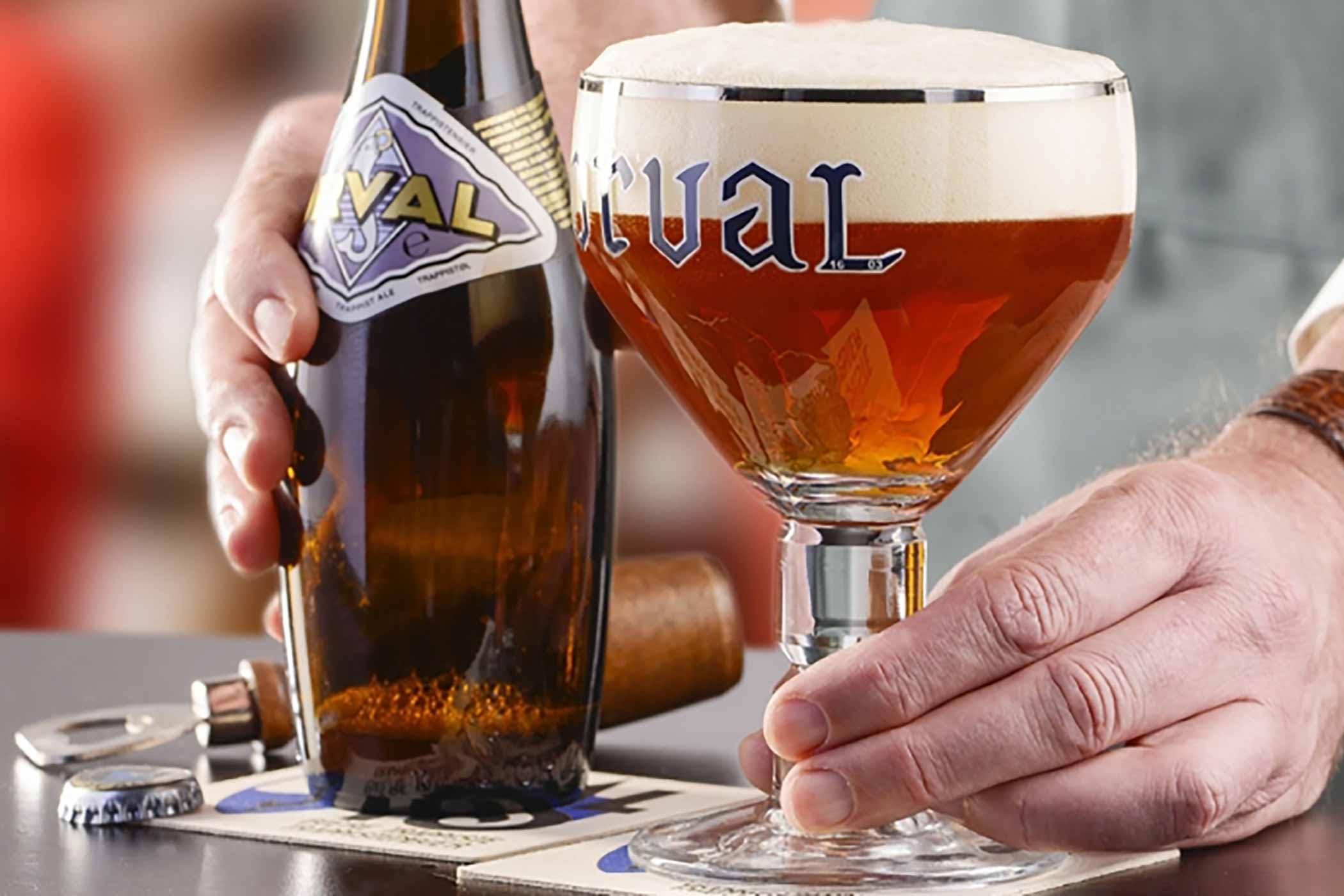
Every bottle of Orval today is more than just a drink—it's an epic chapter steeped in every shimmering drop of gold.
2. Orval Trappist Ale: A Symphony of Complexity and Gentleness
2.1. Style: A Difficult Work of Art to Classify
Orval does not fit easily into one concept. If considered by BJCP, it is a Belgian Pale Ale classical, but to the Trappist monks, it had a breath of Trappist Single – a light, delicate beer, only for those who know how to listen. What makes Orval unique? Brettanomyces yeast – a “wild” yeast – has transformed it into a hybrid between traditional Belgian Pale Ale and Wild AleA free-spirited savor. Every sip of beer is an adventure, where flavors are constantly changing, like a piece of music that never repeats itself.
2.2. Identifying Features: Unmistakable Mark
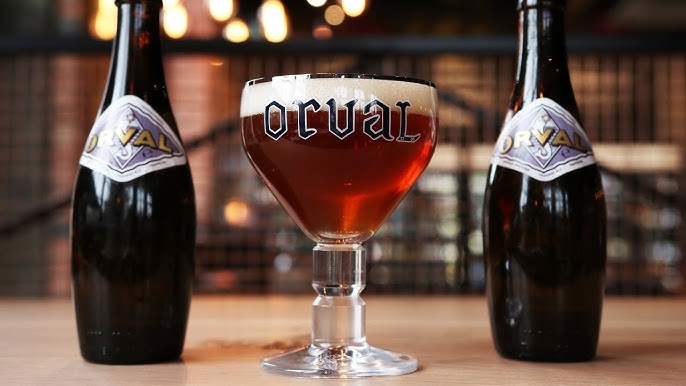
Orval puts on color dark amber, clear as sunlight shining through the church windows. When poured, the white foam is thick and long-lasting like fluffy clouds – an indispensable feature of Belgian beer.
- 6.2% ABV (main version) – warm enough to soothe the soul, but not too harsh.
- Orval Vert (4.5% ABV) – rare version reserved for monks only, lighter and more elegant.
- Only 30–35 IBU, Orval offers the perfect balance between the slight bitterness from Hallertau flower (Germany) and the warm sweetness of maltNot too harsh, not too sweet – just enough to make your heart flutter.
- Body: Medium to light body, dry finish thanks to Brettanomyces yeast that delicately “eats” the sugars. High carbonation – like thousands of tiny bubbles dancing on the tip of the tongue.
2.3. Taste: A Journey Through Many Levels of Emotion
- Fresh fruit (orange, lemon, pear) – fresh taste from Belgian yeast, like a summer morning in the garden.
- Wood, earth, “wild” scent – Brettanomyces brings mystery, like the whisper of the old forest.
- Mildly sweet malt, dry and slightly astringent finish – like a sad but beautiful story, leaving an unforgettable aftertaste.
2.4. What Makes Orval Different: Complexity and the Ability to Age Like Wine
- Changes over time: If aged for a long time (3–5 years), Brettanomyces will make the flavor become deeper and more complex – like a fine bottle of wine.
- Double fermentation (in tank and in bottle) – the signature Trappist beer process, making each bottle of Orval a unique work of art.
Orval is more than just a beer – it's a story, an experience, an invitation to slow down and savor every drop of happiness.
3. The Art of Enjoying Orval Trappist Ale: A Feast for the Senses
3.1. Temperature & Beer Glass: When Delicacy Lies in Moderate Coldness
Orval is not a haughty girl, but she deserves to be treated gently. Serve at 10–12°C – cool enough to cool the heat, but warm enough to allow the Brettanomyces yeast and fruity aromas to slowly release. Drinking it too cold will lock in the complex layers of flavor, like a song that has yet to be sung.
- Tulip Glass (Trappist standard): The shape of the glass is like a blooming flower, keeping the white foam from dissipating for a long time, while at the same time diffusing the scent of orange, lemon and spices in a charming way.
- Snifter Cup: If you want to immerse yourself in the “wild” world of Brettanomyces (wood, earth, moss), this glass will be your spiritual guide.
3.2. Accompanying Dishes: Perfect Matches
Orval is a sentimental lover who knows how to harmonize with many culinary styles:

- Soft cheese (Camembert, Brie) or blue cheese: Melting rich flavor, delicious dry finish of beer caressing, like a sunset kiss.
- Grilled lamb, Belgian sausage: The richness of the meat dance with a slight bitter taste of hops, creating a balanced dance.
- Smoked salmon, scallops: The hazy smoke met "wild" scent of beer, like the sound of waves crashing against a cliff.
- Carbonade Flamande (beer stewed beef), Moules-frites (mussels and fries): Traditional Belgian food meets Belgian beer – an emotional reunion.
3.3. Occasion: The Moment Orval Shines
- After dinner: As a nightcap, Orval's dry and complex taste makes it the perfect “dessert beer.”
- Specialty beer tasting party: Orval is a shapeshifter – surprise your guests as the flavour changes after 1–3 years of aging.
- Fall/Winter: Warm malt aromas and mysterious Brettanomyces wrap around your soul like a woolen blanket.
4. Conclusion: The Final Prelude to the Emotional Journey
Some beers are made to make people drunk, but Orval came to make people sob. She is unfinished symphony between the prayers of the monks and the laughter of wild Brettanomyces yeast. Each drop of that amber gold contained 900 year story – from the legend of the goldfish returning the ring, to the skinny hands silently brewing beer in the silence of the monastery.
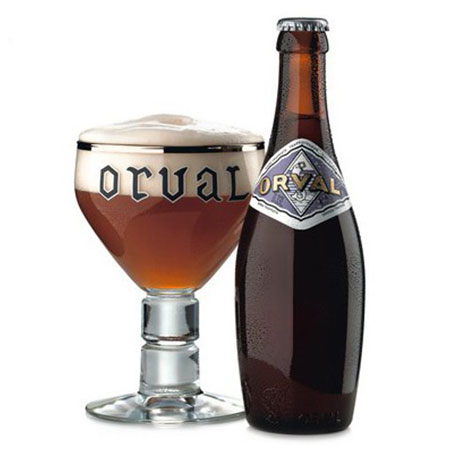
Orval doesn't give you taste, it gives you experience. When you first open the bottle, she is like an eighteen-year-old girl, radiant with fresh citrus scents. But be patient, after a few years, she will transform into a woman full of depth with woody, earthy scents, and inexpressible feelings. The tulip glass that supports her is not an object, but hands that cherish a soul.
Drinking Orval is drinking time, faith and the generosity of nature. Whether you choose to enjoy it with creamy Brie cheese or listen to her alone on a cold winter afternoon, let your heart slow down. Because there are few beers that make people feel both sadly, fit feel small before the eternity of such flavors.