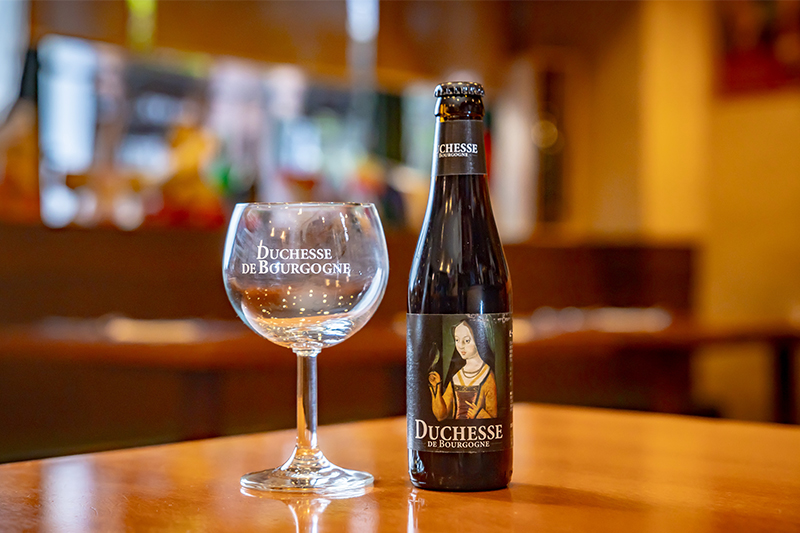

That fall, I thought I was strong enough to let go, to no longer have any lingering feelings about the days sitting next to my ex in the university yard. However, when we broke up, Duchess of Bourgogne was placed in front of me, my heart shook in a very strange way.
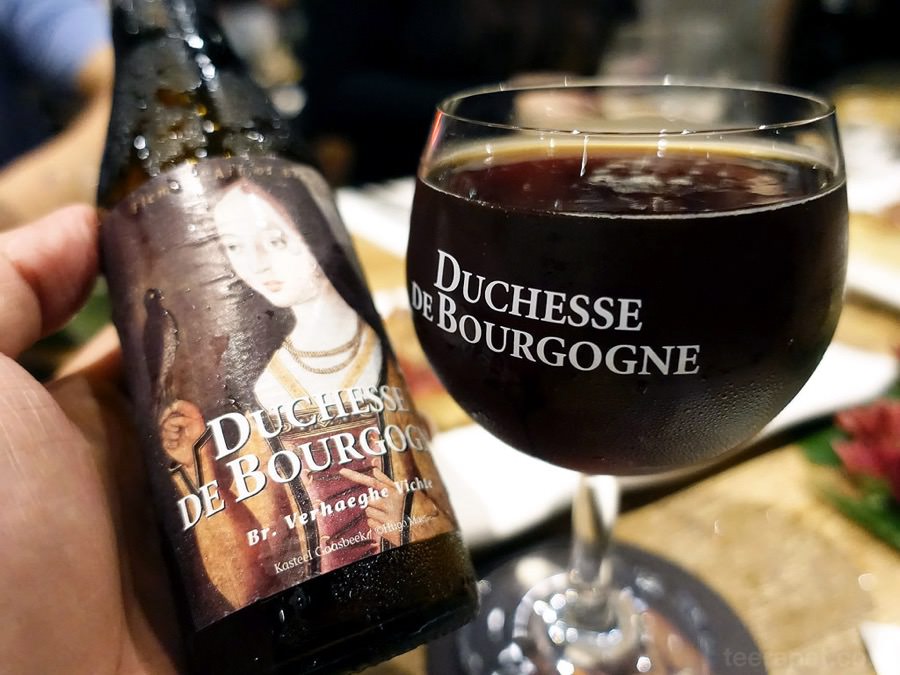
The amber light from the beer reflected in my eyes, just like the afternoon light falling through the curtains in that rented room. The foam was as light as the times he smiled at me from afar. I raised the glass to my nose, and was suddenly swept away by a complex layer of aromas - cherry, raisin, oak, a little balsamic vinegar... like fragmented memories flooding back in a blink of an eye. From lazy afternoons without lunch, just sitting together and sharing the first bottle of beer in our lives. To rainy nights, the two of us sheltered under the porch, wet and cold but still opening the cap of a bottle that was just chilled enough.
I have gone through many lonely days, tried many different flavors. But the first sip of Duchess of Bourgogne makes me choke – a beer Flanders Red Ale Have alcohol concentration 6.2%, not noisy, not ostentatious, just quietly opening up gentle layers of flavor like old eyes. Just enough sweetness, sour like distant laughter, then ending with a dry, lingering aftertaste… like the last hug on graduation day.
There are memories that cannot be named, just as there are beers that cannot be compared. It's just that, when the time is right, in a quiet enough space, everything suddenly explodes. I don't know. Buy Verheghe what was going on when creating this beer, but for me, Duchess of Bourgogne not just a beer. it's the person i loved - gentle, deep, and forever leaving a beautiful void in my heart.
1. The Glorious History of Brouwerij Verhaeghe
Nestled in the peaceful countryside of Vichte, in the West Flanders region of Belgium, Buy Verheghe more than just a brewery. It is a witness to history, a symbol of resilience, and the heart of craftsmen dedicated to the art of brewing. Founded in 1885 by the Verhaeghe family, the factory started like many other small breweries, with rudimentary equipment, modest scale, but carrying within it a great aspiration: to preserve the Belgian spirit and breathe life into every drop of beer.
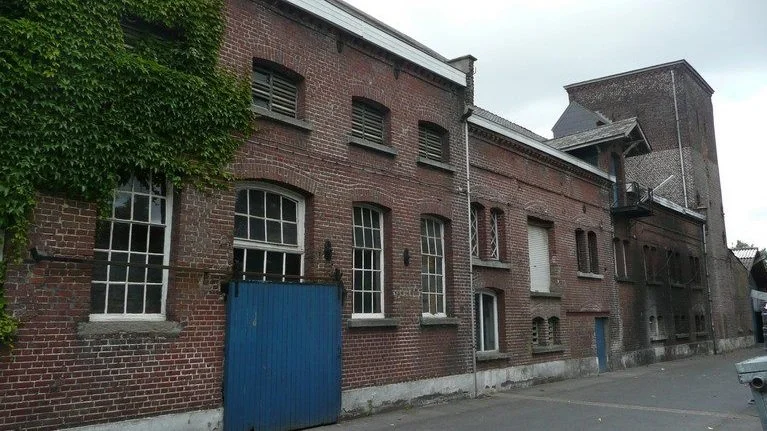
However, fate did not leave them alone. When World War I broke out, Buy Verheghe refused to serve the German occupation forces, a courageous decision that also meant that all the machinery was dismantled and confiscated. No more production lines, no more equipment, nothing but pride and a burning passion for beer.
Instead of giving up, they quietly started again from scratch. After the war, amidst the devastation and ruins, the factory was gradually restored. Not only recovered, they emerged stronger than before. The following years witnessed the bold transformation of Buy Verheghe: from producing traditional beer lines to focusing on developing new beer lines sour ale typical of the Flanders region, with long-term aging techniques in oak barrels and artistic blending of old and new batches.
Not following the trend of modernization or over-industrialization, the factory still maintains the manual production style, where each wooden barrel is carefully inspected, where each drop of beer is cared for like a living being. Each product of Verhaeghe not only carries flavor but also time, history and passion of many generations.
And then, in the middle of that journey, an icon was born: Duchess of Bourgogne. Not as noisy as other children of the era, Duchesse chose a separate path: sour, charming, proud and classic. It is the house's manifesto. Buy Verheghe that: beer is not just for drinking, but for feeling, for remembering, and for telling a wordless story about the loyalty, identity and pride of the Flemish people.
2. Tears of the Duchess
It is no coincidence that this beer is named Duchess of Bourgogne. It is not just a fancy name, but a name that touches the deepest emotions – as if every drop of beer is a memory flowing from the heart of a woman who has loved, lost, but never forgotten.
Mary of Burgundy – the young Duchess of Burgundy – was not only the heiress to one of the most powerful duchies of the Middle Ages, but also a symbol of a noble soul caught in the whirlpool of history and destiny. Her tragic death at the age of 25 after a horse accident saddened all of Europe. But what was even more heartbreaking was that her love for Maximilian, her husband, was never fulfilled. They were a political couple, but they lived together with real affection. Their love, though short-lived, was so deep that their letters to each other are still preserved as a legacy of true love.
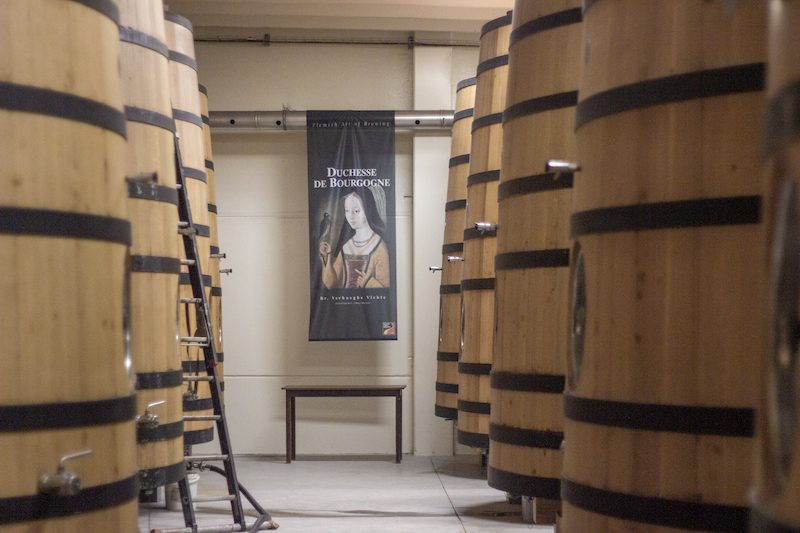
Duchess of Bourgogne is the whisper from the past. The haunting sour scent, the light sweetness behind the oak glaze is the way that Buy Verheghe breathe life into the memory. They do not describe Mary with rigid biographical lines, but let each sip of beer be a memory, a moment of silence. The beer is double fermented, aged in oak barrels for 18 months like Maximilian's hopeless wait after losing his lover. Then, the 18-month beer is mixed with a new batch that is only 8 months old - like the way the past and the present always blend together, reminding us that: true love never dies, it just settles, ferments and spreads like the aftertaste of an immortal beer.
It's not beer. It's a love song without words, the tears of a duchess who never lived her life. And every time I take a sip Duchess of Bourgogne, I felt like I was living with her again.
3. Flanders Red Ale: The Lost Art
Among the myriad of beer styles in the world, Flanders Red Ale is a quiet but profound chapter in the symphony of Belgian brewing. Born in the land of West Flanders, where the cold winds from the North Sea mix with the cool scent of the countryside, this beer carries not only taste, but also history, culture, a way to preserve time in a quiet but enchanting way.
Unlike modern pale ales or floral IPAs, Flanders Red Ale reminiscent of an ancient wine cellar where oak barrels sleep in the dark, and each batch of beer is left to ferment naturally with bacteria Lactobacillus and wild yeast. It is this process that creates the characteristic sourness, not the sharp and shocking sourness, but the soft sourness, spreading gradually like a whisper between the layers of sweet, bitter, astringent – like red wine but with the soul of beer.
Production process Flanders Red Ale is a patient art. The beer undergoes primary fermentation, then is transferred to oak barrels for aging for 12 to 24 months. It is the oak that bridges the gap between the beer and time, helping to develop its characteristic esters, acids and phenols. In the industrialized world, few brewers have the patience or space to keep oak barrels for such a long time – which is why this style is considered a dying art.
What to do Flanders Red Ale The difference lies in the blending technique – mixing old and new batches. Older beers have a sharp, tart taste, while younger beers are fresh and light. When combined, they create a complex flavor profile: from balsamic vinegar, ripe cherries, fermented red berries, to oak, caramel, and sometimes a metallic note reminiscent of blood in classic red wines.
This style of beer was once the pride of Flanders, served in family pubs and at local festivals. But with the rise of fast-brewing, easy-drinking beers, Flanders Red Ale was gradually pushed back. Only a few factories remained, including Buy Verheghe, with a masterpiece called Duchess of Bourgogne – a living symbol of a style that was almost lost in the waves of time.
Nowadays, every glass Flanders Red Ale It’s more than just a drink – it’s a plea to hold on to the past, an attempt to maintain classic beauty in a world that’s changing too fast. And when you sip that beer, you’re not just tasting the sweet and sour, you’re also talking to a culture that whispers through every drop.
4. Taste: When Beer Turns Into Wine
The first sip, and you'll wince involuntarily – not because it's hard to drink, but because it feels like you've just drunk a delicate red wine, but it's not wine. It's the artful deception of Duchess of Bourgogne – a beer that has transcended the conventional framework to become a bridge between two worlds: beer and wine.
Brewed in a combination of 8-month and 18-month oak barrels, Duchess of Bourgogne The flavors develop layer upon layer like a classical piece. The first layer is ripe cherry and raisin – sweet and round like a whisper of memory. Next is a light, not harsh but gentle acidity that spreads, reminiscent of young but full-bodied pinot noir. A light caramel flavor, along with the warmth of oak, makes the finish long, dry but deep. And if you pay close attention, you will notice a touch of balsamic vinegar – like a bold but not out of place touch.
The most magical thing about this beer is its balance – not too sour like lambic, not too sweet to be a dessert beer. It stands in the middle, graceful like a lady in a red lace dress in a ballroom, attracting the eye without being ostentatious. Alcohol concentration 6.2% makes for a well-rounded experience: just enough to warm the heart, but not so strong as to overwhelm the senses.
Beer lovers are often surprised to find themselves “captivated” by this beer, despite not being a fan of sourness. Wine lovers, on the other hand, find a similar soul: depth, time, maturity in every sip. Duchess of Bourgogne It's not a beer you drink to quench your thirst. It's a beer to sip, to linger, to remember, and to open up a new world in your mouth.
5. Enjoy – Every Glass of Beer Is a Mark
There are drinks that can be drunk quickly, but there are also beers that require absolute stillness – like a small ritual to let the soul catch up with the flavor. Duchess of Bourgogne is just such a beer. It is not just a glass of beer, but a moment framed by memory, emotion and the soft light of a late afternoon.
To truly honor the spirit of this beer, choose a glass tulip or chalice flared mouth – not for the sake of appearance, but because they help retain the light foam and diffuse the aromas in depth. Pour slowly, allowing the velvety foam to rise moderately, and watch the amber red shimmer under the golden light. Just looking at it is enough to calm the soul.
Ideal temperature is from 8 to 12°C – cool but not numbing, just enough for the layers of aroma to start speaking. Without haste, you bring the glass to your nose, then take the first small sip. The ripe cherry flavor blooms, followed by a sweet and sour note that curls on the tip of your tongue, then a dry aftertaste with a hint of oak reminiscent of an autumn afternoon rustling with fallen leaves.
And try to combine Duchess of Bourgogne with some exquisite dishes:
- Cherry tart or fruitcake: natural sweetness blends with the sourness of beer to create a harmonious whole.
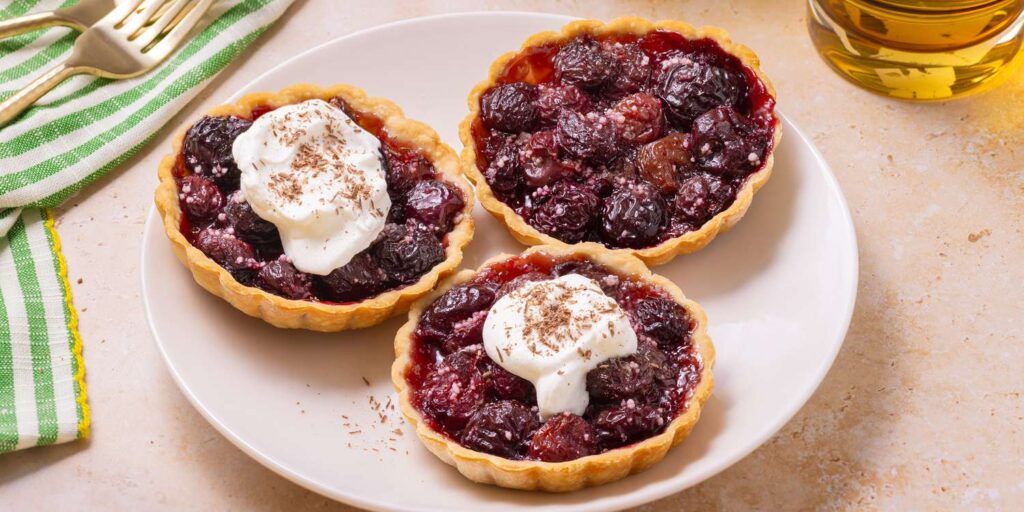
- Roast duck or roast beef: the crispy skin and fatty meat are softened by the light acidity and dry aftertaste of the beer.
- Aged Gouda Cheese: the characteristic fat and saltiness will be perfectly neutralized, making each bite more profound.
- Cool fruit salad: helps increase freshness, suitable for gentle evenings or early spring picnics.
And if you are carrying something in your heart that has not been said – maybe words of love, an apology, or simply nostalgia – then this sip of beer is the letter that does not need a messenger, but still reaches its destination.
6. Revisiting Old Melodies
I used to think that only time could heal, but then I realized, there are things that don't need to be healed, just kept intact - like the way I kept every glance, every laugh, every light handshake when we sat together at the familiar cafe near the library. That day, also an afternoon, I chose Duchess of Bourgogne not because of the name, but just because of the eyes it reminds me of.
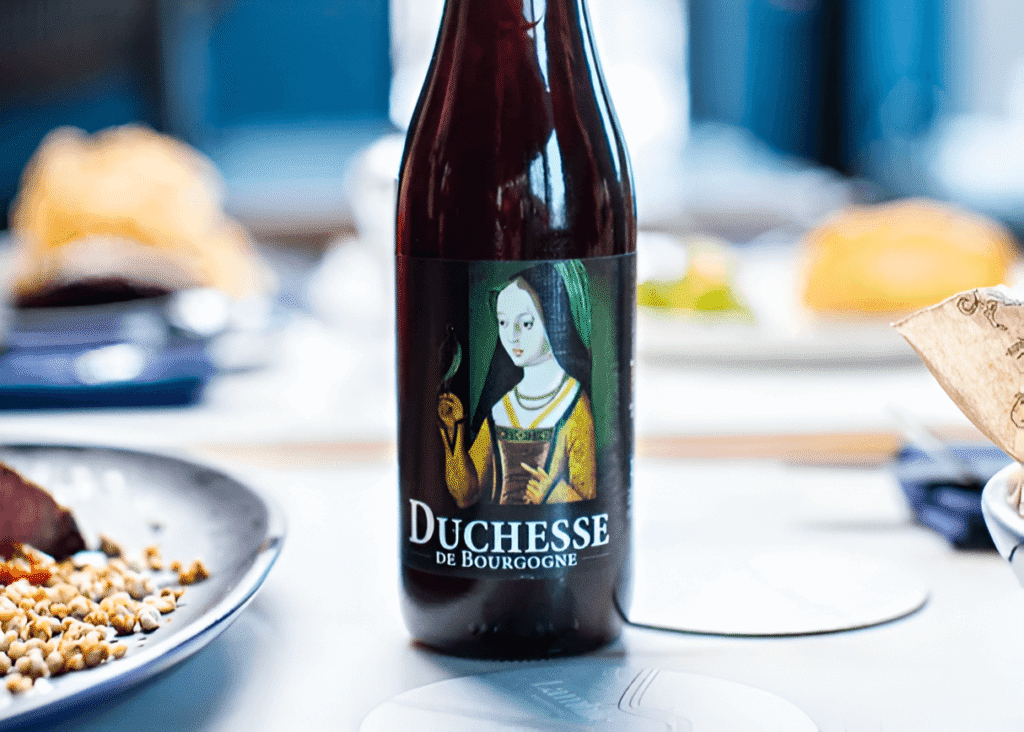
But in the end, it was that glass of beer that spoke for me what I no longer had the courage to say. With each drop of beer that touched my lips, I saw the exam seasons, the early winter rains, and a pure love that needed no proof in words. Duchess of Bourgogne It doesn't make me forget, it just helps me look back without pain, remember and still smile.
If you have ever loved, lost, tried to forget… and then suddenly remembered – then I believe, this beer will understand you. Try it once to Duchess of Bourgogne whispering to you the things you never dared to say. And who knows, at the end of the last sip, you might gently say: “I still love you… but now, I am at peace enough to keep it as a beautiful memory.”
Because sometimes, a beer can heal – not with yeast, but with memories fermented into tenderness.