
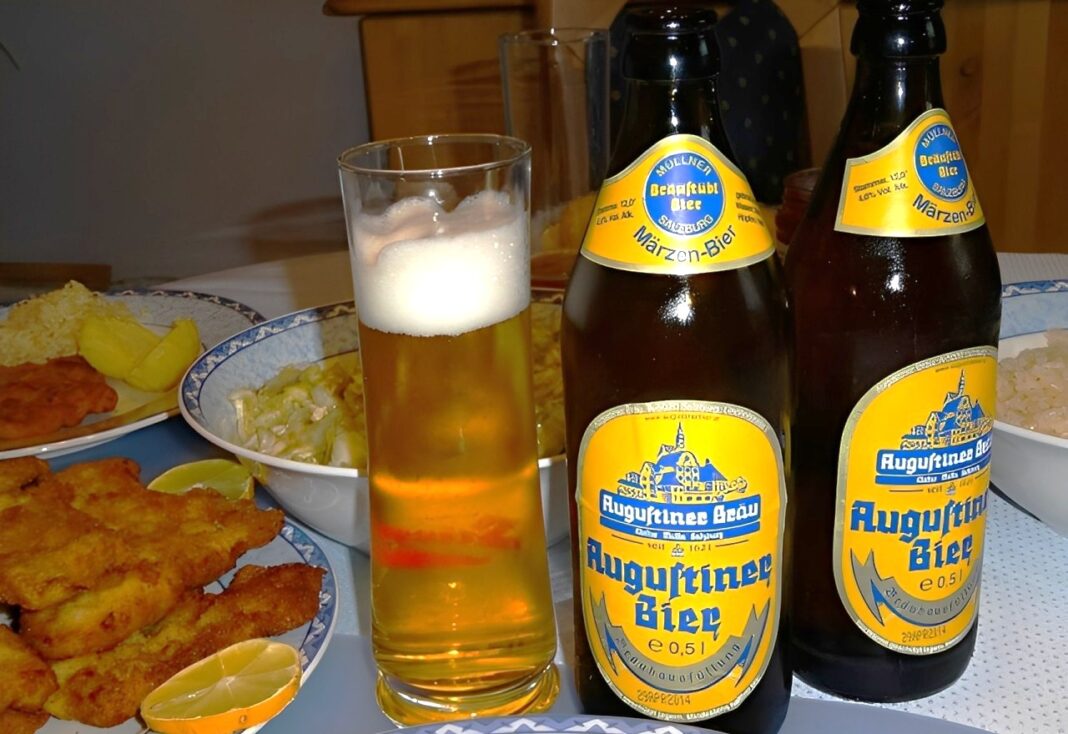

Amidst the hustle and bustle of the new era, there are values that remain timeless like a whisper from the past. In today’s diverse beer world, Augustiner Bräu Märzen Bier stands as a historical witness – unobtrusive, unobtrusive, quietly telling the story of 400 years of traditional brewing art.
From the ancient monastery Kloster Mülln in Salzburg, every drop of this amber beer carries the taste of time, of the land and sky of Austria, and above all, the endless passion for original values. This is not simply a drink, but a cultural heritage preserved through each generation, inviting us to enjoy the sophistication distilled through many beer seasons.
1. Augustiner Bräu Kloster Mülln: The legendary monastery beer in the heart of Salzburg
1.1. The flow of history through every drop of golden beer
Year 1621, when the Augustinian monks laid the foundation stone of the monastery Kloster Mülln, perhaps they did not know that they were sowing the seeds of a lasting culinary legend. In the quiet setting of ancient Salzburg, the Augustiner Bräu brewery was born as an inseparable part of monastic life. For 4 centuries, this place has been a witness to history, each bottle of beer imbued with the flavor of time.
By year 1803, when the wave of secularization swept away the monastery walls, people thought the brewery would sink into oblivion. But no! A local businessman kept the traditional flame alive, turning Augustiner Bräu become a symbol of endurance. 1858, the brand officially separated from its "brother" in Munich (Germany) to continue writing its own proud story. And in 2021, the world bows before the thickness 390 years – where oak barrels still ferment the way our ancestors did.
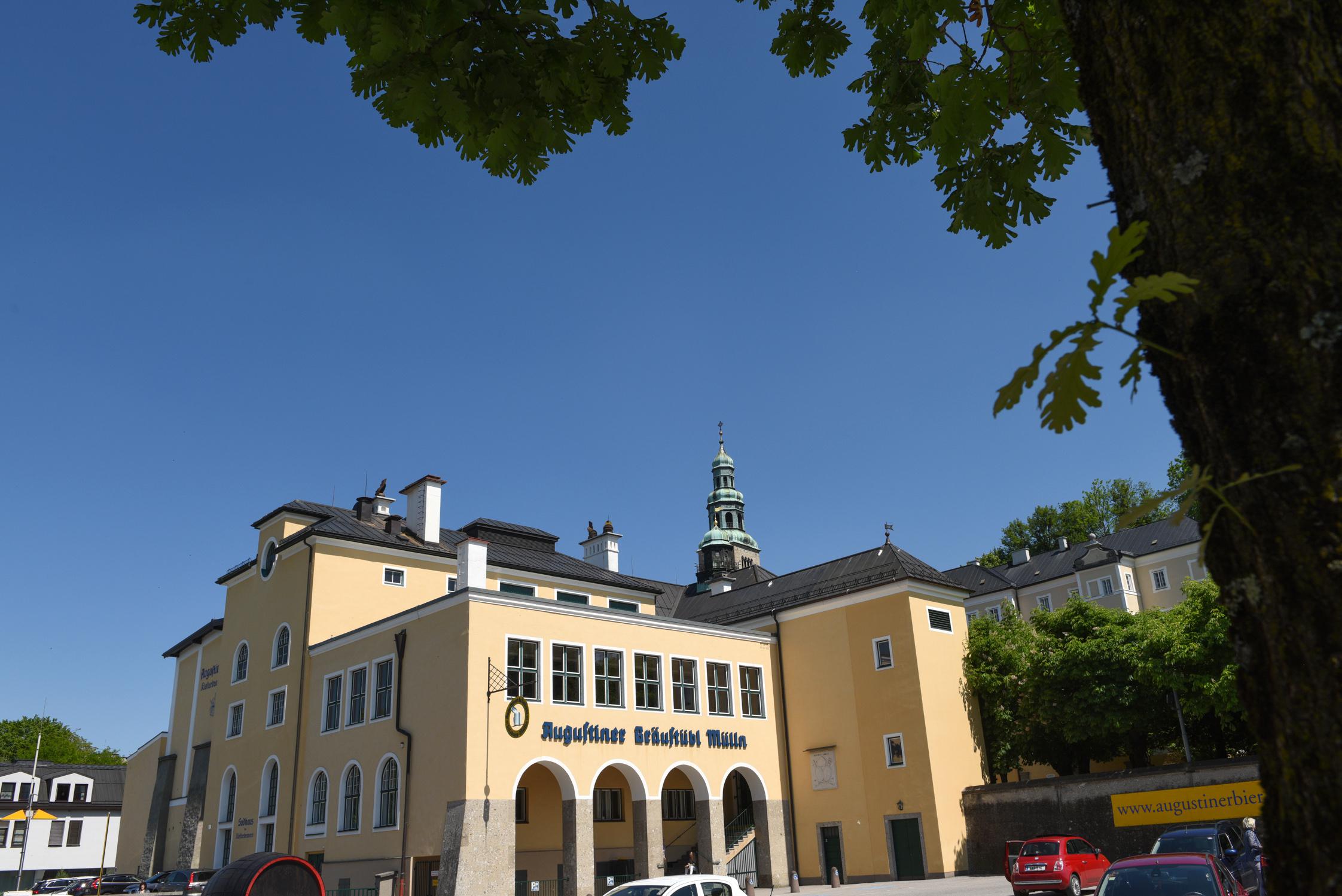
1.2. Brand Story: Not all Augustines are the same!
Listen to the name Augustiner Bräu, many people mistakenly think that this is the “Austrian version” of the German brand of the same name. But no! Despite sharing the same Augustinian monk roots, Augustiner Bräu Salzburg is an independent entity, proud of its own unique flavor. While Augustiner München targets the international market, the Salzburg native chooses to preserve the pure local spirit – every drop of beer tells the story of the Alps and the bustling festivals of the old town.
1.3. Märzen – Passionate summer song
The historical clock turns back 16th–17th century, when Bavarian monks came up with the idea of brewing beer in March (März) for the hot summer. Augustiner Bräu Salzburg’s version of Märzen dates back to the 19th century, with a distinctly Austrian flair: the 4.6% alcohol content is lighter than German beer, enough to get you drunk with the laughter of the local Oktoberfest. It’s not just a drink, it’s an invitation to experience – a little bit of tradition, a little bit of modern, and all as sweet as Salzburg's love for the art of brewing.
2. Augustiner Bräu Märzen Bier: The golden symphony of Salzburg's land and sky
2.1. Style: Traditional Lager Essence

It is not by chance that March is considered the “amber gem” in the Lager family. Born from monasteries Bavaria ancient, but when introduced to Austria, it took on a unique beauty – softer, more refined, like a waltz gliding through the Alps. With the traditional bottom fermentation method and a slow fermentation process in the cold weather, each drop of Augustiner Märzen beer matures patiently, like the way time nurtures honey for grapes on the hills of Salzburg.
2.2. Sensory impressions: Color, aroma and taste
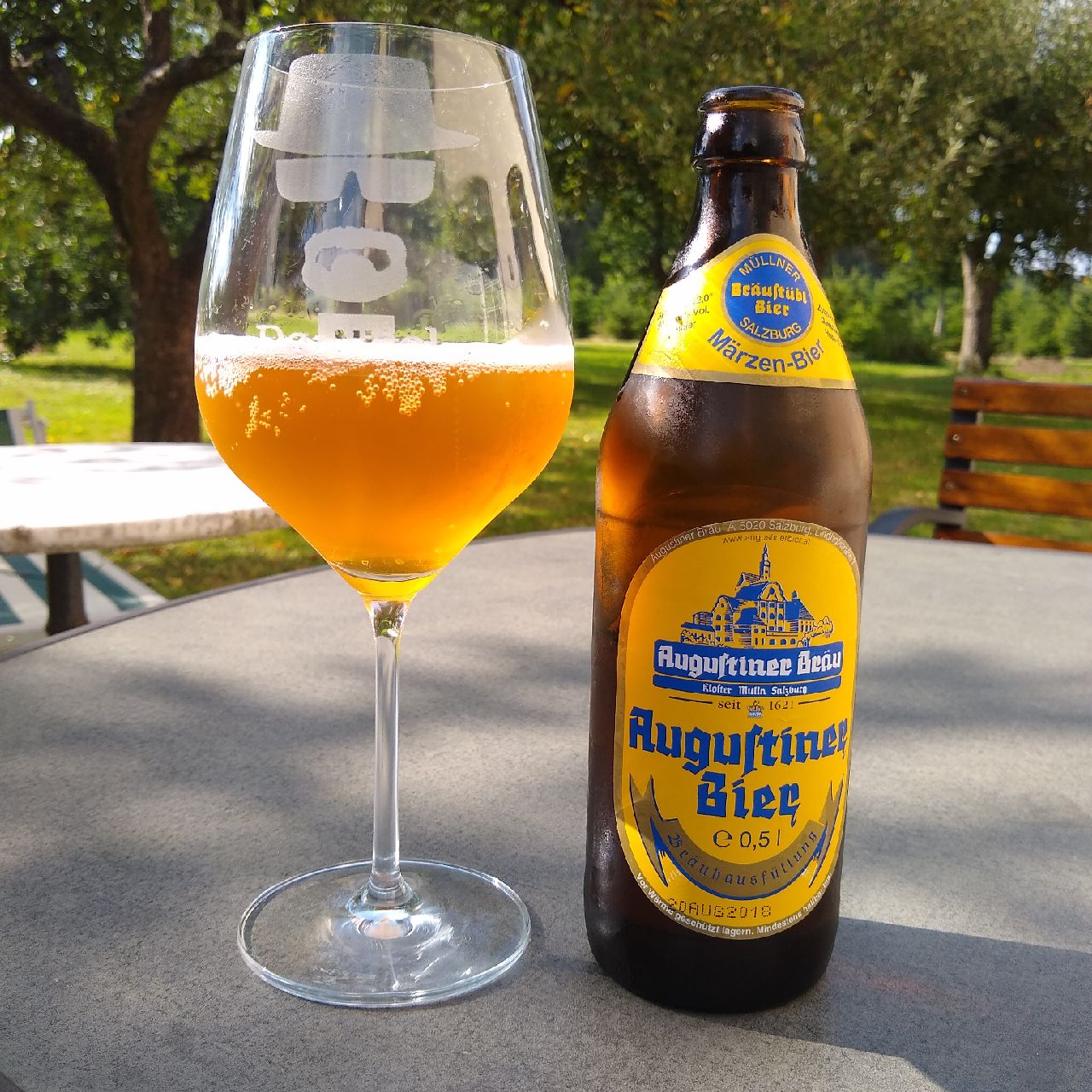
- Color: Warm amber glow, reminiscent of autumn leaves covering Mozart Square. Index SRM 10–14 shows a wonderful balance – not too dark like Dunkel, nor too light like Helles.
- Flavor: The crunch of the toasted bread blends with the honey caramel, with a hint of rich chestnut. Noble hops whisper notes of wild grass and earth, like a whisper of the mountains and forests.
- End: The aftertaste is dry, clean, but still lingers with nostalgia – the sweetness from the malt lingers on the tip of the tongue, making one want to raise the glass again.
2.3. Interesting difference: Märzen “Austrian version”
If German Märzen is a powerful epic (ABV 5–6%), Augustiner Bräu Märzen is like a gentle folk song (ABV 4.6%). Lighter in color, smooth medium body, and moderate carbonation – all create a refreshing experience without overwhelming. Especially when poured into a Stein (traditional thick ceramic glass) and enjoyed at 6–8°C, the flavors open up layer by layer, like the notes of Mozart slowly playing.
3. The Art of Enjoyment Augustiner Bräu Märzen: A Feast for the Senses
3.1. Temperature – The Secret to Unlocking Flavor
Don't rush! Let it be. March shine at 6–8°C – the golden threshold when the sweet caramel of malt blends with the elegant bitterness of hops. If it is too cold (<4°C), you will lose the hidden layers of toasted bread and chestnut flavors, like a Mozart piece missing the bass notes.
- Classic ceramic stein: This tin-lidded mug not only keeps your drinks cold for a long time, but also acts as a time machine to take you back to the 19th century Oktoberfest. The clinking of the lids is the prelude to the party.
- Tulip or Pilsner Glass: If you want to concentrate the aroma, the slim glass will support each slender gas thread, leading the way to the seductive wild floral scent.
3.2. Accompanying Dishes – An Inspiring Symphony
- Hot Bratwurst: The rich, melting creaminess and crispy skin contrast beautifully with the clean, dry taste of the beer.
- Sea Salt Bretzel: The salty rain awakens the sweetness hidden behind the golden malt layer.
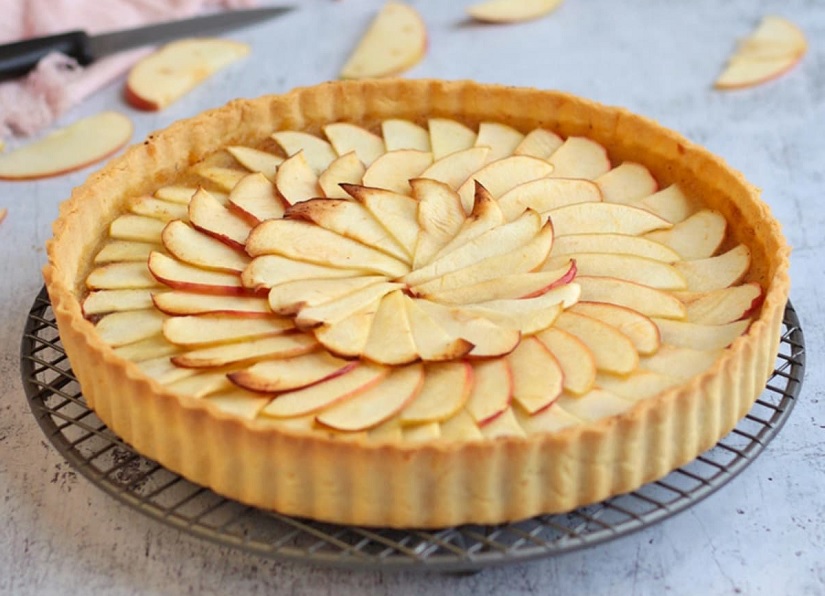
- Apfelstrudel (Austrian apple pie): A piece of hot cake with cold vanilla sauce, and a sip of Märzen – you will understand why Austrians call this “heaven on the table”.
3.3. Occasion to Enjoy – When Space Becomes Flavor
- Oktoberfest at the Foot of the Alps: Drink Märzen amidst Schuhplattler music and twirling Dirndl dresses – the beer aroma adds a festive touch.
- Winter afternoon by the fireplace: A crackling fire, a glass of amber beer emitting warm malt – the perfect moment to remember Salzburg.
- Weekend BBQ: The smoke of the meat mixed with the toasty aroma of the beer makes each bite of Schweinshaxe (roasted pork leg) memorable.
4. Augustiner Bräu Märzen Bier: The Prestigious Laurels
4.1. The "Champion" Position in the Hearts of Beer Connoisseurs
It is not by chance that Augustiner Bräu Marzen regularly occupy the throne #1 Marzen in Austria on the local charts. Salzburg brewers have turned a 400-year-old tradition into a work of art that has beer connoisseurs taking their hats off.
4.2. Shining Gold Medals
- European Beer Star Awards (one of Europe's most prestigious beer awards) has awarded this Märzen variety with gold medals several times, recognizing its perfect balance of sweet malt and subtle bitterness.
- Other traditional beer competitions also did not hesitate to praise the "standard" flavor and sustainable brewing method of Augustiner Bräu.
5. Conclusion: Augustiner Bräu Märzen – A Passionate Love Song From the Heart of Austria
Holding a glass in hand Augustiner Bräu Marzen amber glow, we seem to hold a piece of the soul of Salzburg - where the Alps lean over the ancient streets, where the monastery bells echo through 4 centuries of persistent fermentation. This is not just a beer, but a living museum of the art of European brewing: malt sweet as the golden autumn sun, warm toast aroma, dry finish like a breeze through the pine trees.
Though time passes, Märzen by Augustiner Bräu still retains the original soul – lighter than the German version, but deep enough to touch the heart of the drinker. From the bustling Oktoberfest to the quiet winter afternoon by the fireplace, every drop tells a story of perseverance and love of heritage.
Let's raise a glass, to caramel flavor mingling with laughter, so that the past and present meet in endless passion. Because Augustiner Bräu Märzen is Austria's golden declaration of love - humble yet captivatingly charming.


 Vietnamese
 English
 Japanese
 German